
Mold Remediation in Gettysburg, PA
We provide mold remediation in Gettysburg for homeowners, landlords, and business owners who need mold found, removed safely, and kept from coming back. We are a local, Gettysburg-only company based on Baltimore Street, open 24 hours, and we build every job around containment, HEPA air filtration, careful removal, and a fix for the moisture that fed the mold in the first place.
Open 24 hours · Free, no-obligation estimate
Get a Free Mold Estimate
Answered 24/7. No obligation.
- IICRC S520 ProcessThe industry standard
- EPA Mold GuidanceMoisture control first
- HEPA ContainmentSealed, under negative air
- Clearance TestingVerified independently
- Open 24 HoursA person answers, always
Open 24 Hours
Meet Your Local Mold Crew: Certified Methods, Lasting Fixes
We are a Gettysburg-only company based on Baltimore Street. Every job is built around containment, HEPA air filtration, careful removal and a fix for the moisture that fed the mold in the first place — so it does not come back.
- Open 24 hours, local to Gettysburg
- Containment + HEPA air filtration
- Methods based on IICRC S520 & EPA guidance
Comprehensive Mold Solutions: Safe, Effective, Reliable
Complete mold services for Gettysburg homes and businesses — from the first inspection through removal, drying and independent clearance testing.
If you smell something musty, see a stain you can't explain, or are about to buy an older house, a professional mold inspection in Gettysburg, PA tells you what is growing, where the moisture is coming from, and what it will take to fix it. We look at your home the way a moisture detective would, then use air or surface testing only when it answers a real question. You get clear findings in plain language, not a scary lab printout.
Mold Inspection and Testing
Black mold removal in Gettysburg, PA starts with finding the water that feeds the mold, then sealing off the area so spores stay put while we remove what's growing. If you've found dark, slimy patches on drywall, wood, or ceiling tiles, you don't need to panic, but you shouldn't wait either. We're open 24 hours at (717) 420-8919, and we'll tell you plainly what you're dealing with and what it will take to fix.
Black Mold Removal
Basement mold remediation in Gettysburg, PA starts with one fact: most homes here sit on old stone, damp clay soil and a water table that rises every spring, so the space below your floor is the most likely place in the house for mold to grow. We remove mold from basements and crawl spaces, fix the moisture that fed it, and set the space up to stay dry through humid Adams County summers. We're open 24 hours at (717) 420-8919.
Basement & Crawl Space Mold Remediation
Attic mold remediation in Gettysburg, PA starts with one question: where is the moisture coming from? We remove mold from roof sheathing, rafters and trusses, fix the ventilation or venting problem that fed it, and treat the wood so the attic stays dry and clean. We're open 24 hours at (717) 420-8919.
Attic Mold Remediation
Water damage mold restoration in Gettysburg, PA starts the moment water gets where it should not be, because the clock on mold growth is already running. We dry the structure, find hidden moisture, remove anything that has started to grow mold, and put your home back on a path to normal. We are open 24 hours at (717) 420-8919 for leaks, floods and burst pipes.
Water Damage & Mold Restoration
Air duct mold removal in Gettysburg, PA works best when the whole HVAC system is treated as one unit: the ductwork, the evaporator coil, the drain pan, the blower and the air handler cabinet. We clean each part, fix the moisture that let mold grow and verify the results, and we're open 24 hours at (717) 420-8919.
HVAC and Air Duct Mold Remediation
Commercial mold remediation in Gettysburg, PA has to fit around tenants, guests, closing dates and business hours, and that is how we plan every job. We work with landlords, property managers, business owners, home sellers and caretakers of historic buildings in Gettysburg, the Adams County seat, and we are open 24 hours when a leak or a failed inspection cannot wait.
Commercial, Rental and Real Estate Mold Remediation
Mold remediation cost in Gettysburg, PA typically runs $500 to $1,500 for a small area under 10 square feet, $1,500 to $6,000 for a basement or crawl space, and $10,000 to $30,000 or more for a whole home. This page breaks down what those numbers include, what pushes a job up or down, how homeowners insurance treats mold, and how to read an estimate so you only pay for work you need.
Mold Remediation Cost
Our mold remediation process follows the IICRC S520 standard step by step, from the first inspection to independent clearance testing and rebuild, so mold in your Gettysburg home is removed at the source and the moisture that fed it is fixed. Here is what happens on a job, what it costs, and how to keep mold away.
Our Mold Remediation Process
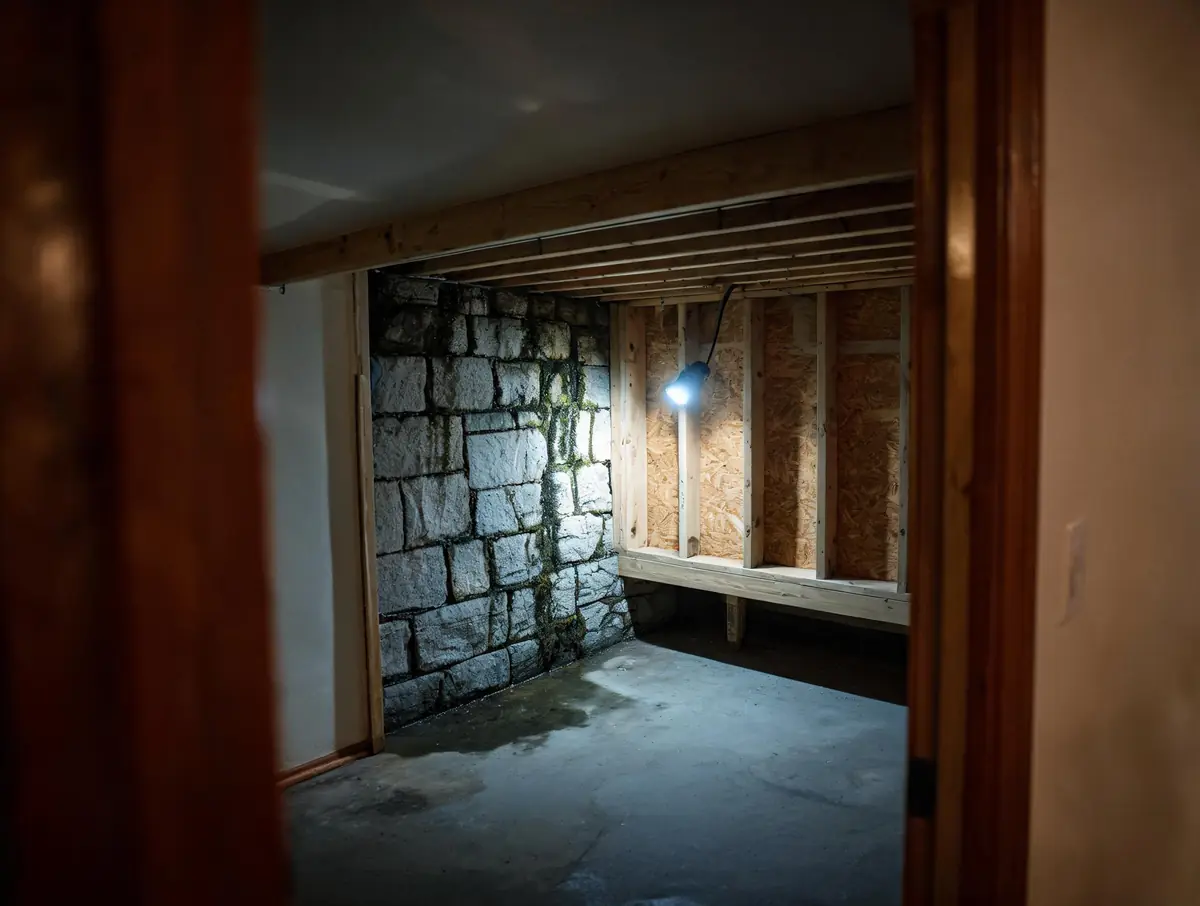
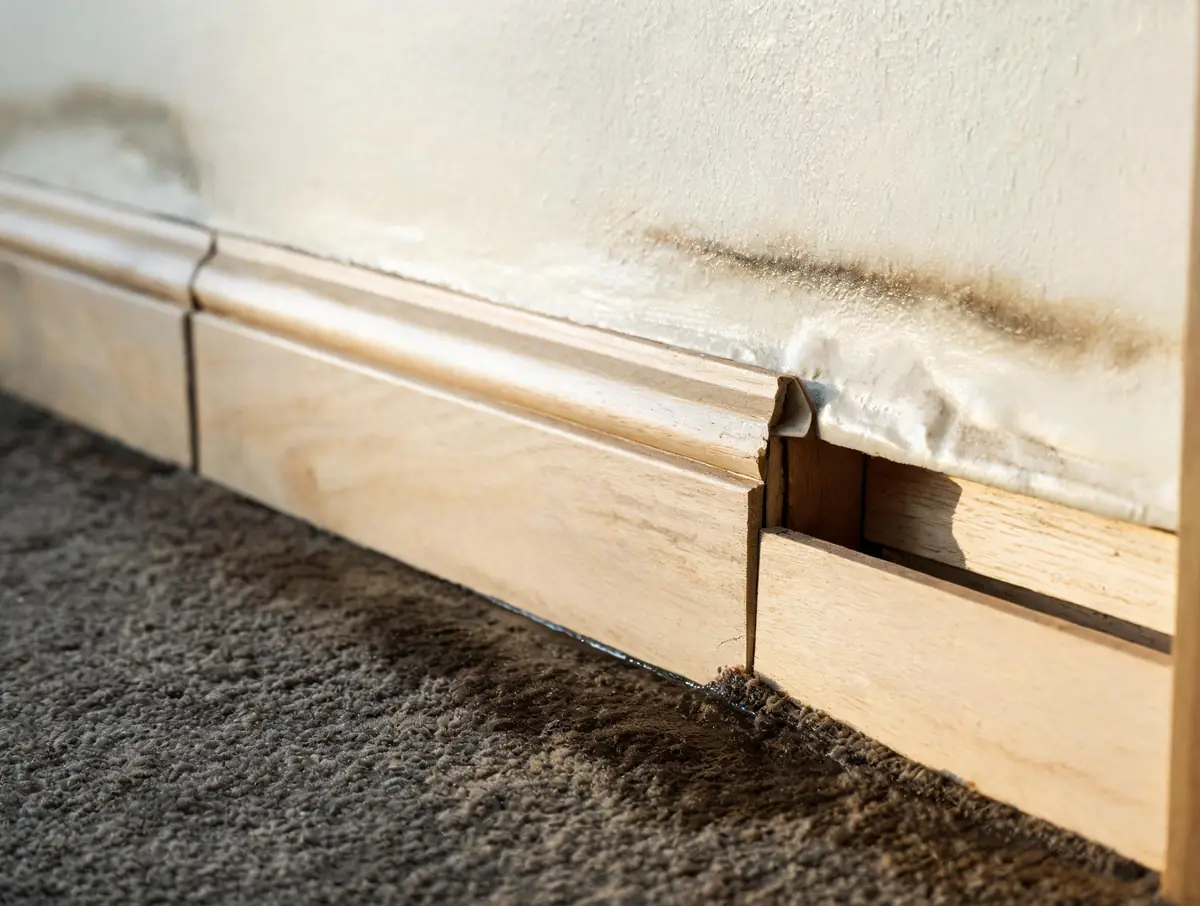
Before and after
What Remediation Actually Changes
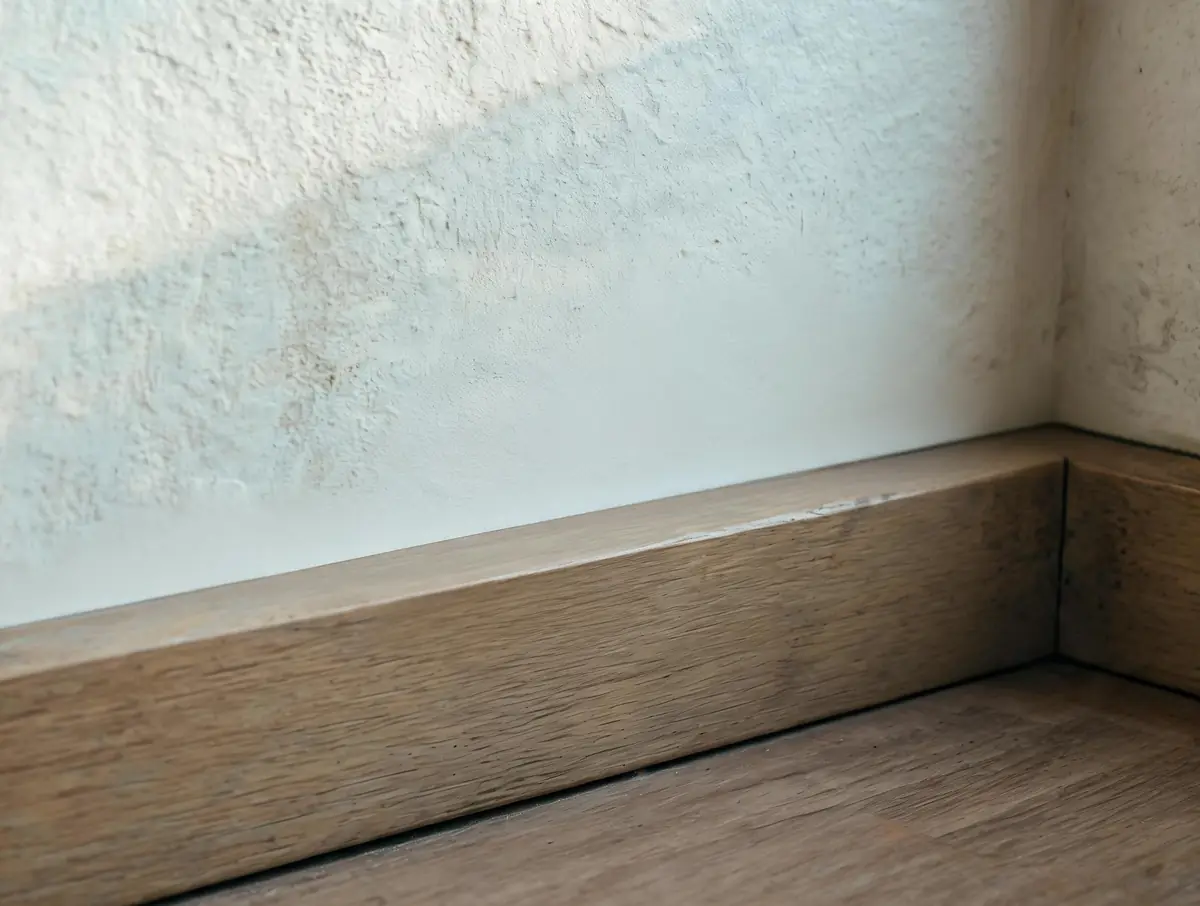
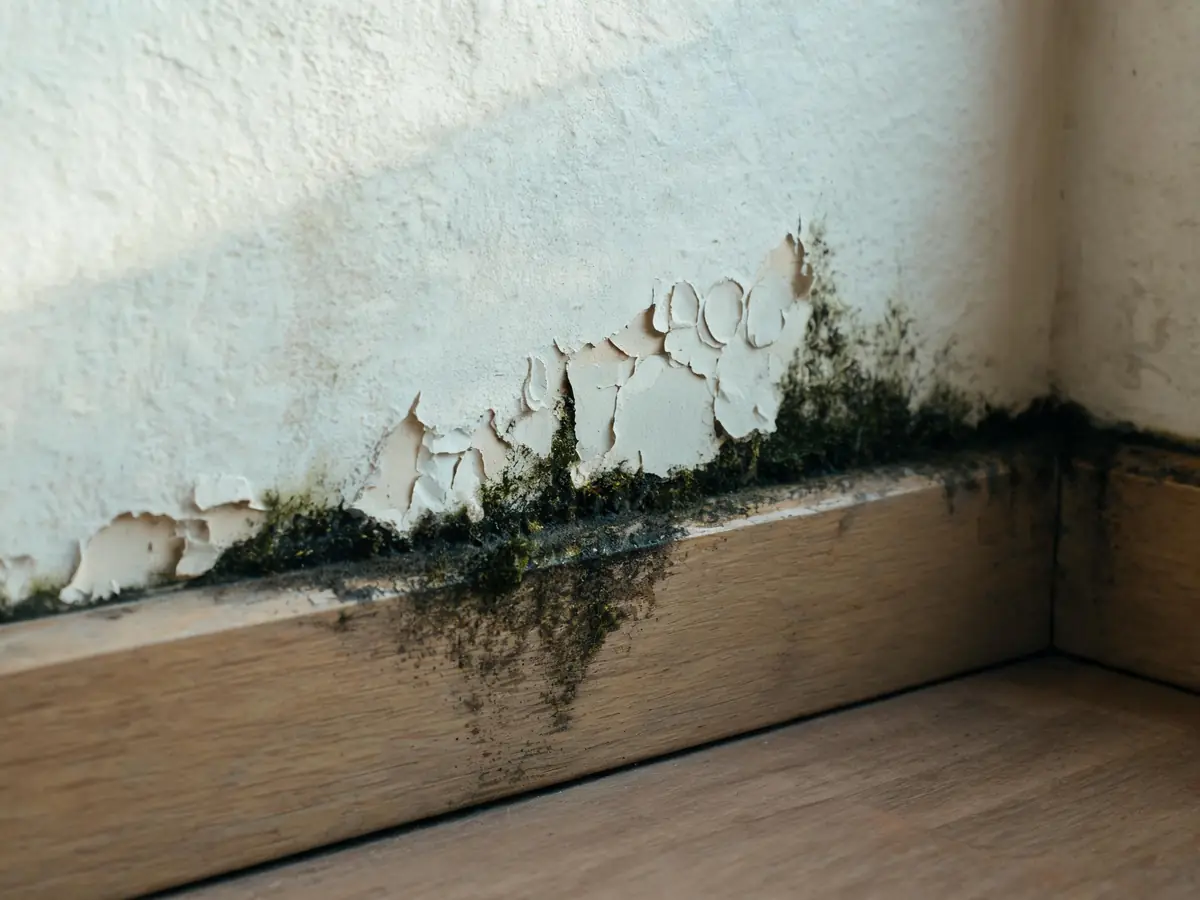 BeforeAfter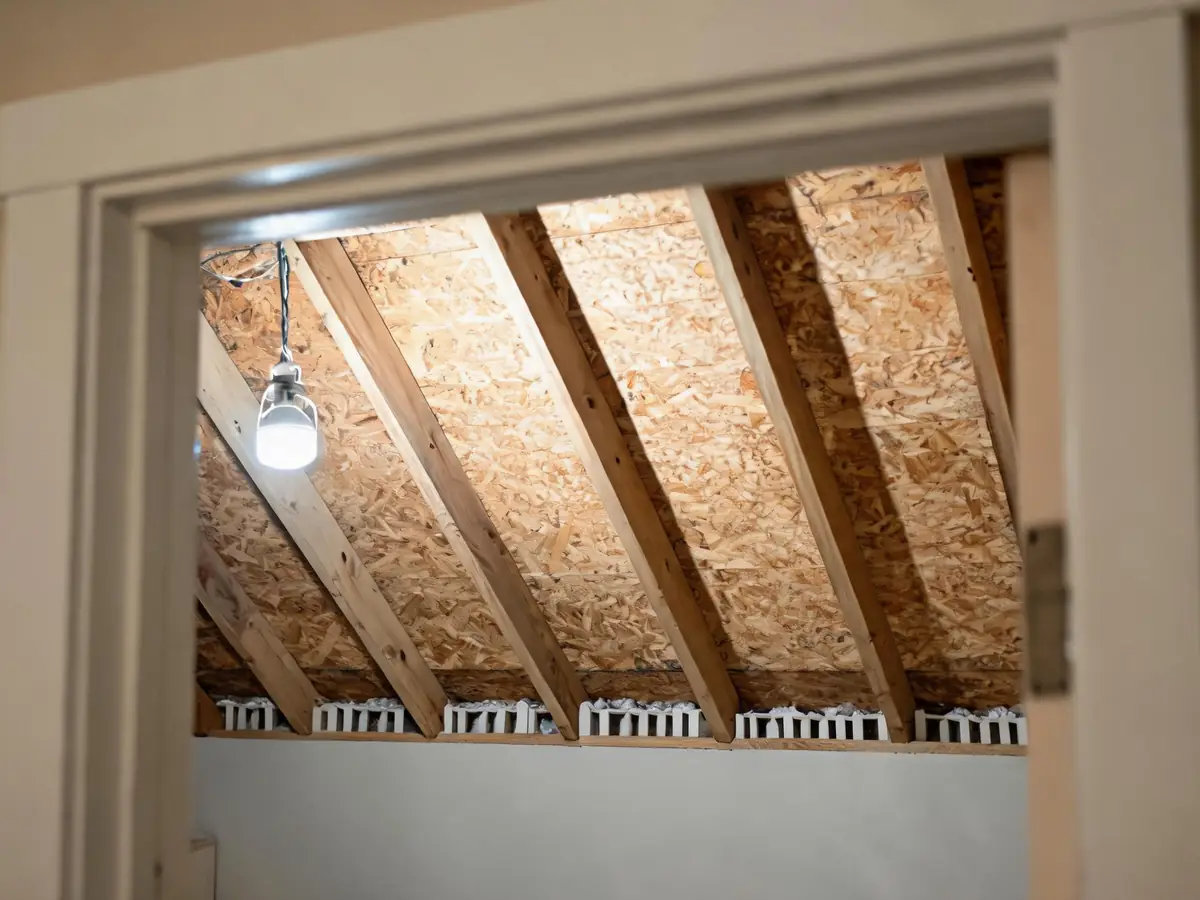
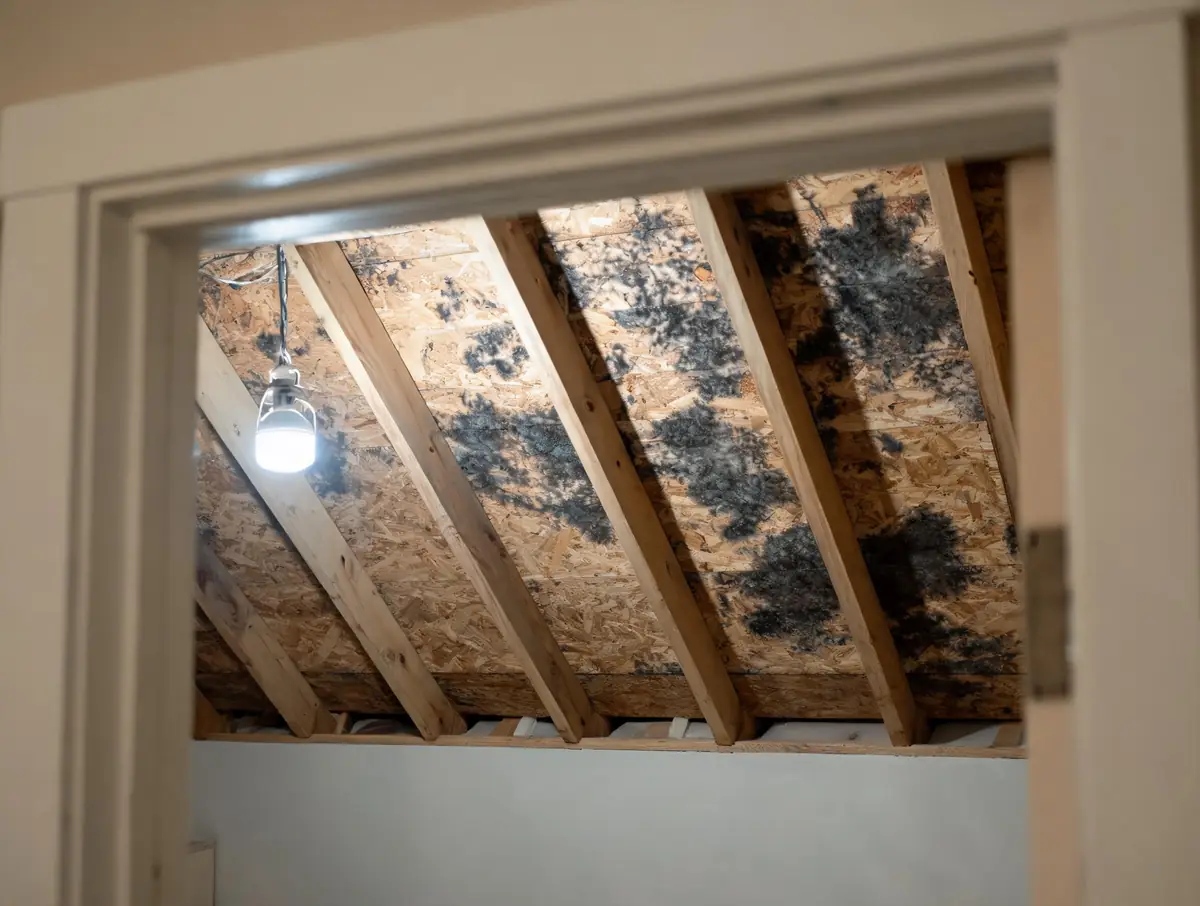 BeforeAfter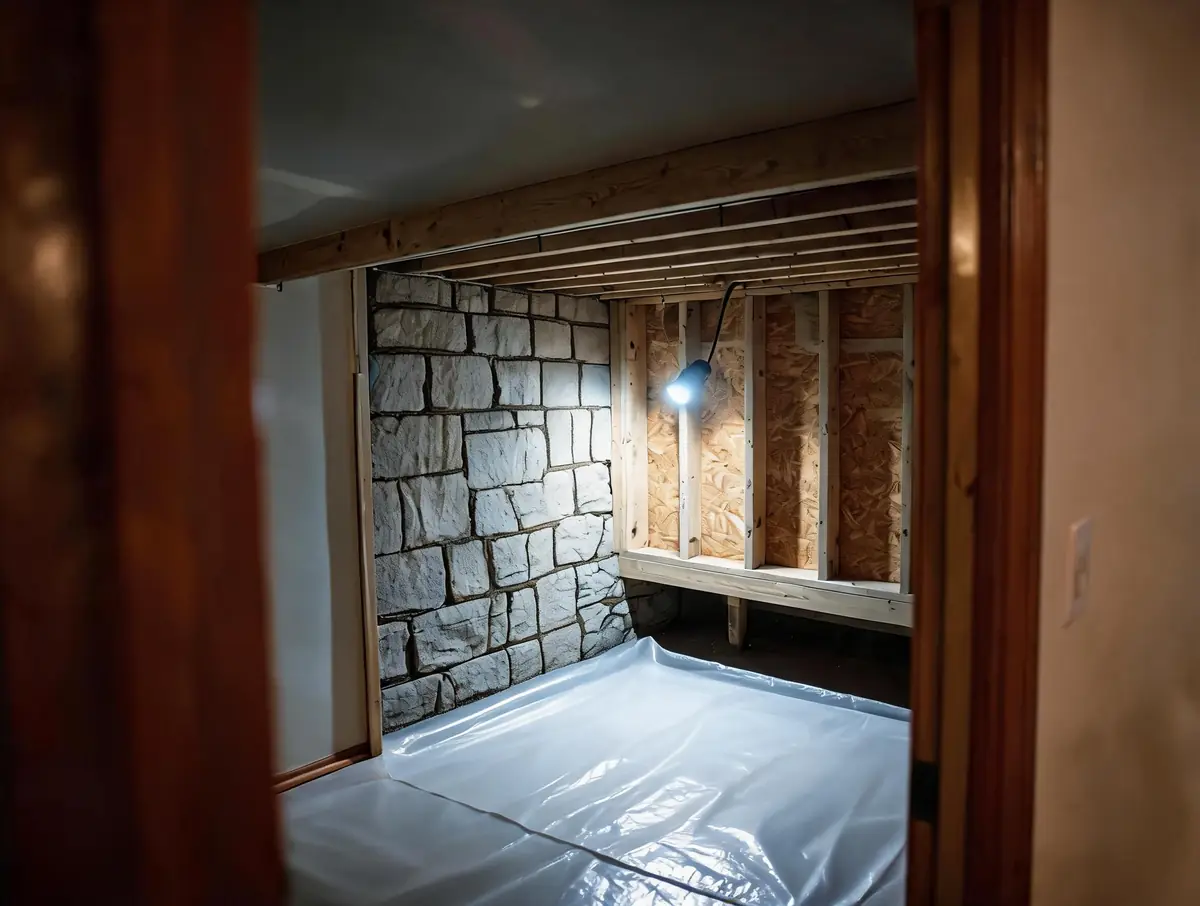
 BeforeAfter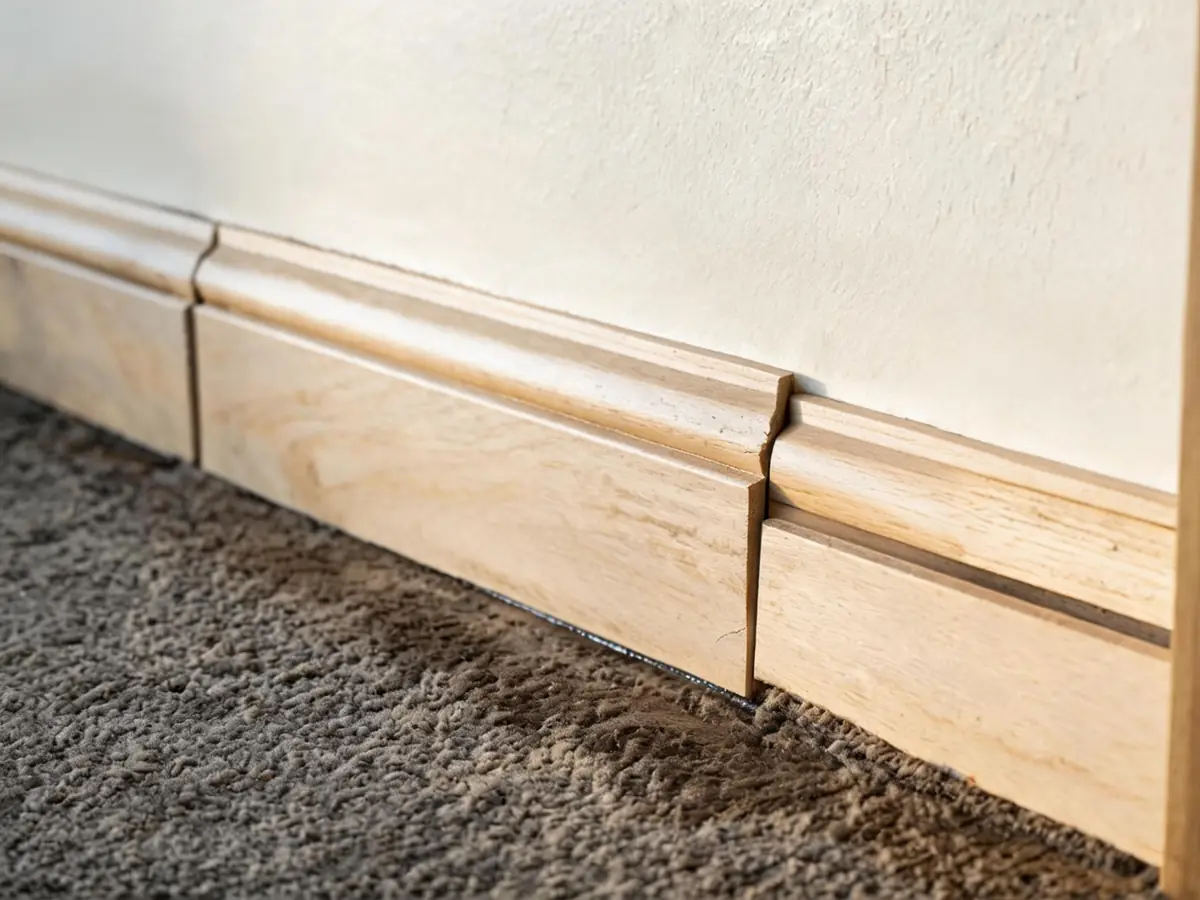
 BeforeAfter
Drag the handle to compare. Every property is different — we scope yours on site.
How We Work: Contained, Corrected, Verified
Mold remediation goes wrong in predictable ways. These are the three things we hold to on every job in Gettysburg, whatever the size.
Containment before anything else
Sealed work areas under negative air pressure, with HEPA scrubbers running for the duration. Spores stay in the work zone instead of moving into clean rooms.
The moisture source gets fixed
Every scope covers the leak, grading, drainage or humidity that fed the growth. Cleaning mold without that means paying for the same job twice.
Verified by someone else
We recommend independent third-party clearance testing on every job, so the confirmation your home is clean does not come from the company you paid.
Why Us? Experience the Difference in Mold Remediation
Choosing the right mold remediation company decides whether the problem is actually solved or just painted over. Here is what you get with a local crew that works to IICRC S520 and EPA guidance.
Get Free Quote1. Free inspection
We come out, find the moisture source with meters and thermal imaging, and give you a written scope. No remediation is quoted sight-unseen over the phone.
2. Honest pricing
A written price after the inspection, with the moisture correction included rather than added later. If the job is small enough to handle yourself, we will say so.
3. Open 24 hours
Mold follows water, and water does not wait for business hours. Call at 2am and a person answers — we are local to Baltimore Street, not dispatched from out of the area.
4. Insurance documentation
Moisture readings, photos and a written scope in the format adjusters expect, so a covered claim is not held up by missing paperwork.
Local knowledge
What Other Companies Miss About Gettysburg
Every mold company here will tell you about stone foundations and humid summers. These are the local factors that actually change how a job gets scheduled and scoped.
Radon systems and sealed crawl spaces
Pennsylvania is an EPA Zone 1 radon state — the highest category — and state testing puts the average home well above the 4 pCi/L action level. That matters here because the usual fix for a damp crawl space, sealing it and running a dehumidifier, changes how air moves under the house. If there is already a radon pipe down there, we work around it rather than through it, and we tell you to re-test after encapsulation. Only a test shows your own level.
Inns and B&Bs booked through the season
Gettysburg lodging fills up around the summer, the July anniversary and Remembrance Day weekend, and a closed property costs more than the remediation does. We sequence containment room by room and work around arrivals so the rest of the building stays open, instead of shutting the whole floor at once.
Orchard country water tables
North and west of town — Biglerville, Aspers, Arendtsville — sits Pennsylvania fruit country, where high spring groundwater pushes moisture into basements and crawl spaces every year. Packing sheds, farm outbuildings and older farmhouses have different problems from borough rowhomes: dirt floors, uninsulated block and seasonal humidity rather than one burst pipe.
Timed around the college calendar
Landlords near Gettysburg College mostly find mold at May turnover, when a unit sits empty and the smell is obvious with the windows shut. That is also when every remediation company in the area is booked. Inspections scheduled before the rush get the work done between tenants rather than around a move-in date.
Serving Gettysburg borough plus Cumberland and Straban Townships — all ZIP 17325 — and the surrounding Adams County communities.
Mold is common in Gettysburg. Our homes are old, our basements are often fieldstone, our summers are humid, and a single tropical storm remnant can put water where it has never been before. None of that means your house is ruined. It means the job needs to be done in the right order: find the moisture, contain the area, remove what is contaminated, dry and treat what can be saved, and prove the space is clean.
This page explains the problems we fix, the services we offer, how our process works, what remediation typically costs here, and answers to the questions Gettysburg homeowners ask most. If you already know you need help, call (717) 420-8919 any time, day or night.
Our Mold Remediation Services in Gettysburg
Every mold problem is a moisture problem in a specific part of a building. We organize our work the same way, so you can go straight to the service that matches what you are seeing.
- Inspection and testing. If you smell mustiness but can't see growth, or you need answers before buying or selling, start with mold inspection and testing. We look for moisture with meters and thermal imaging and recommend independent lab sampling when it will answer a real question.
- Black mold. Dark growth on drywall, ceilings, or framing needs careful handling. Our black mold removal service covers containment, removal of damaged materials, and cleaning of what can be kept.
- Basements and crawl spaces. Fieldstone walls, dirt floors, and damp joists are the most common mold sources in town. See basement and crawl space mold remediation for how we clean the space and control the humidity.
- Attics. Frost, poor ventilation, and bathroom fans vented into the attic cause dark stains on roof sheathing. Our attic mold remediation service treats the wood and fixes the airflow.
- After leaks and floods. Burst pipes, roof leaks, and storm water can start mold within a day or two. Our water damage and mold restoration work pairs drying with mold removal.
- Heating and cooling systems. Mold on coils, drain pans, and duct interiors can spread spores through the house. We handle HVAC and air duct mold remediation with the system shut down and sealed.
- Businesses and rentals. Hotels, B&Bs, restaurants, offices, and student rentals need work that fits around guests and tenants. Learn about our commercial and rental mold remediation.
- Cost. Prices depend on size, location, and what has to be removed. Our guide to mold remediation cost in Gettysburg covers typical ranges and insurance.
- Process. Want to know exactly what happens from the first call to the final clearance test? Read about our mold remediation process and how we prevent mold from returning.
What Types of Mold Problems Do We Fix?
Most mold calls in Gettysburg fall into a handful of patterns. Each one has a typical moisture source, and each one needs a slightly different approach.
Black Mold on Drywall
Drywall is one of mold's favorite foods because its paper facing is made of cellulose. When a wall stays wet from a slow plumbing leak or a roof leak, dark spots often show up at the baseboard or behind furniture first. The EPA's remediation guidance notes that porous materials like drywall and ceiling tile usually need to be removed and replaced, not just cleaned, once mold has grown into them. We cut out the damaged section inside containment and check the wall cavity behind it.
Basement and Fieldstone Foundation Mold
Many homes in the Gettysburg Historic District sit on stone and fieldstone foundations built without modern waterproofing. Moisture wicks through the mortar, raises the humidity, and feeds mold on joists, stored boxes, and paneling. The EPA recommends keeping indoor relative humidity below 60 percent, ideally 30 to 50 percent. Many unconditioned basements here run well above that in July and August. We clean the growth, then set up dehumidification so the space stays in the safe range. For more detail, see our article on mold in stone foundation basements.
Crawl Space Mold
Crawl spaces under additions and back porches are common in older Gettysburg homes, and many still have bare dirt floors. Soil releases a steady stream of water vapor that condenses on cool floor joists and subfloor. The EPA's moisture guidance lists covering dirt crawl space floors with plastic as one of its basic moisture control steps. We remove or treat the mold on the framing, then recommend a vapor barrier or full encapsulation depending on the space and your budget.
Attic Sheathing Mold
Dark, blotchy staining on the underside of roof boards usually comes from warm, moist house air reaching a cold attic in winter. Bathroom and dryer vents that end in the attic make it much worse. The EPA's guide to mold and moisture says to vent bathrooms and clothes dryers to the outside for this reason. We clean or treat the sheathing, then reroute vents and improve attic airflow so the frost does not form again.
Bathroom and Kitchen Mold
Bathrooms and kitchens produce the most indoor moisture in any home. Showers, cooking, and dishwashers all add water vapor, and old homes often have weak or missing exhaust fans. Small areas of surface mold on grout or caulk are a normal cleaning job. The EPA says a homeowner can usually handle mold covering less than about 10 square feet. When mold grows behind tile, under a sink cabinet, or inside the wall from a leaking supply line, it is a remediation job, and that is where we come in.
HVAC and Duct Mold
Air conditioning removes moisture from the air, and that water collects on the evaporator coil and drain pan. If the pan clogs or the ducts pass through a damp basement or attic, mold can grow inside the system. The EPA advises against running a heating or cooling system if you know or suspect it is contaminated with mold, because it can spread spores through the whole house. We work with the system off, clean or replace affected parts, and follow NADCA duct cleaning practices.
Mold After Water Damage
Water from a burst pipe, a failed sump pump, or storm flooding does not have to become a mold problem if it is dried fast. The EPA recommends drying wet building materials and furnishings within 24 to 48 hours to prevent mold growth. After that window, growth inside walls, under flooring, and in carpet padding becomes likely. We remove wet materials that can't be dried, set up drying equipment, and treat any mold that has started. Read more about how fast mold grows after water damage.
Hidden Mold and Musty Odors
A musty smell with no visible growth usually means mold is somewhere you can't see: behind paneling, under carpet, inside a wall cavity, or above a ceiling. The EPA notes that a moldy odor is often a sign of hidden mold, and that investigating hidden mold can disturb it and release spores. We track the source with moisture meters, thermal imaging, and targeted openings, so we cut into walls only where the evidence points.
What Types of Mold Remediation Services Do We Offer?
Every job uses some combination of the services below. We explain which ones your home needs and why before any work begins.
Mold Inspection and Testing
A good inspection answers three questions: where is the mold, how far does it go, and where is the water coming from. We use moisture meters, a hygrometer to measure relative humidity, and thermal imaging to find damp areas behind finished surfaces. Lab sampling is useful in some cases, such as confirming hidden mold or documenting results for a sale. The EPA points out that there are no federal limits for mold or mold spores, so sampling results are read by comparing indoor air to outdoor air and to other rooms. When testing is needed, we recommend an independent lab or inspector, so the results are not graded by the company doing the removal.
Containment and HEPA Air Filtration
Removing mold disturbs it, and disturbed mold releases spores. Containment keeps those spores in the work area. We seal the space with plastic sheeting, cover vents, and run HEPA air scrubbers to create negative air pressure, so air flows into the work zone instead of out into your home. A true HEPA filter captures at least 99.97 percent of particles 0.3 microns in size, which is the standard set by the U.S. Department of Energy. The EPA's guidance calls for more containment as the affected area grows, with full containment recommended for areas larger than 100 square feet.
Mold Removal and Cleaning
Mold remediation means physically removing mold, not just spraying it. Porous materials with mold growing into them, such as drywall, insulation, carpet, and ceiling tile, are bagged and removed. Solid materials like framing, stone, and sheathing are cleaned with HEPA vacuuming, scrubbing, sanding, or other surface methods. The EPA notes that dead mold can still cause allergic reactions, which is why removal matters more than killing. We double-bag debris inside containment and carry it out without passing through clean areas of the house.
Antimicrobial Treatment and Encapsulation
After removal and cleaning, some surfaces benefit from an antimicrobial treatment or a mold-resistant encapsulating coating, especially rough wood in attics and crawl spaces. These products are a finishing step, not a substitute for removal. The EPA states that using a biocide such as chlorine bleach is not recommended as a routine practice during mold remediation, because the goal is to remove the mold and fix the moisture. We choose EPA-registered products that fit the surface and use them only where they add real protection. Our article on what permanently kills mold explains why moisture control matters more than any spray.
Moisture Control and Dehumidification
If the moisture source is still there, mold comes back. We find and fix the cause or tell you exactly who should fix it: a plumbing leak, a clogged gutter, a missing vapor barrier, a bathroom fan that dumps into the attic, or a basement that needs a dehumidifier. The EPA's target is indoor relative humidity below 60 percent, and ideally between 30 and 50 percent. For basements and crawl spaces, we size dehumidifiers to the space and recommend ENERGY STAR certified units, which use less electricity to remove the same amount of water.
Clearance Testing
Clearance testing checks that the work area is clean before containment comes down and rebuilding begins. It usually includes a visual inspection, moisture readings to confirm materials are dry, and air or surface samples compared against an outdoor baseline. The IICRC S520 standard describes the goal of remediation as returning the area to "Condition 1," meaning normal fungal ecology for that environment. We recommend that clearance testing be done by an independent inspector, so you get an unbiased result and paperwork you can share with a buyer, insurer, or tenant.
Rebuild Coordination
Once the area passes clearance, the drywall, insulation, and flooring that came out need to go back in. We coordinate the rebuild so there is no gap between remediation and repair, and we recommend mold-resistant materials where they make sense, such as paperless drywall in basements. In the Gettysburg Historic District, exterior changes may need review by the Historic Architectural Review Board, so we plan interior-focused repairs and flag anything that could affect the outside of the building. Pennsylvania has no state mold remediation license, so it pays to ask any company how they handle this handoff.
Commercial and Rental Properties
Hotels, bed and breakfasts, restaurants, offices, and student rentals near Gettysburg College all have one thing in common: people need to keep using the building. We plan containment and work hours around guests, tenants, and business hours, and we keep clear records for owners, property managers, and insurers. The EPA's guide for schools and commercial buildings is the basis for how we scale containment and communicate with occupants. Pennsylvania's implied warranty of habitability also makes quick, documented repairs important for landlords.
How Our Mold Remediation Process Works
We follow the same sequence on every job, based on the IICRC S520 standard for professional mold remediation. The size of each step changes with the job, but the order does not.
- Call and first response. We answer 24 hours a day. We ask what you are seeing and smelling, whether there is active water, and whether anyone in the home has health concerns, then schedule a visit.
- Inspection and moisture mapping. We find the full extent of the growth and the water source using moisture meters, hygrometers, and thermal imaging. We recommend lab testing only when it answers a real question.
- Written plan and estimate. You get a plan that lists what will be removed, what will be cleaned, what containment we will use, and what needs to be done about the moisture. Pricing comes after this inspection, not before.
- Containment and air filtration. We seal the work area, protect the rest of the house, and set up HEPA air scrubbers under negative pressure.
- Removal and cleaning. Contaminated porous materials are removed and bagged. Framing, stone, and other solid surfaces are HEPA vacuumed and cleaned.
- Drying and treatment. We dry the structure to normal moisture levels and apply antimicrobial or encapsulating coatings where they help.
- Moisture fix. We correct the source or coordinate it with the right trade, and set up dehumidification where the space needs it.
- Clearance. We recommend independent clearance testing before containment comes down, then coordinate the rebuild.
Want the full detail, including how long each step usually takes? Read our mold remediation process page.
Why Mold Is So Common in Gettysburg Homes
Gettysburg is the Adams County seat, and much of the borough sits inside the Gettysburg Historic District. Many homes date to the 1800s: brick and frame houses with plaster walls, old-growth lumber, and stone or fieldstone rubble foundations. Those foundations were never meant to be dry. Groundwater moves through the mortar joints, and the basements behind them stay damp most of the year. Additions from later decades often sit over shallow crawl spaces with dirt floors, and attics in older homes frequently have little ventilation.
The climate adds to it. Gettysburg gets about 43 inches of precipitation a year, and July and August are humid. Remnants of tropical storms have caused major flooding in the region more than once, including Agnes in 1972, Ivan in 2004, and Lee in 2011. Winters bring freeze-thaw cycles that burst pipes in unheated rooms and crawl spaces, and spring snowmelt raises water levels along Marsh Creek and Rock Creek. The National Weather Service office in State College tracks these patterns for central Pennsylvania.
Gettysburg's economy also shapes the kind of mold calls we get. Older rental houses near Gettysburg College often have tenants who don't know a leak is a big deal until it is. Hotels, B&Bs, and restaurants along Steinwehr Avenue, Baltimore Street, and around Lincoln Square need fast, quiet work that doesn't disrupt visitors to the Gettysburg National Military Park. And historic buildings need remediation that protects original plaster, trim, and framing wherever it can be saved.
Local tip: In a fieldstone basement, a musty smell in summer is often a humidity problem more than a leak. Before you assume the worst, check the relative humidity with an inexpensive hygrometer. If it reads above 60 percent, dehumidification is part of the fix no matter what else is going on.
How Much Does Mold Remediation Cost in Gettysburg?
Cost depends on how much area is affected, where it is, what materials have to come out, and how much containment is needed. Nationally, professional mold remediation averages roughly $1,200 to $3,800, based on published consumer cost guides. Typical Gettysburg ranges look like this:
| Job size | Typical range | Common examples |
|---|---|---|
| Small area (under 10 sq ft) | $500 to $1,500 | Bathroom wall, under a sink, a window sill |
| Basement or crawl space | $1,500 to $6,000 | Fieldstone basement, joists, crawl space under an addition |
| Whole home | $10,000 to $30,000+ | Widespread growth after flooding or a long hidden leak |
These are typical market ranges, not quotes. Your final price comes after an inspection, when we know the size of the area and the source of the moisture. Our full guide to mold remediation cost in Gettysburg breaks down pricing factors and how homeowners insurance usually treats mold claims.
Why Gettysburg Property Owners Call Us for Mold Remediation
Open 24 Hours, Based Right Here in Gettysburg
Our office is at 15-23 Baltimore St in downtown Gettysburg, and we answer the phone 24 hours a day. That matters because water damage turns into mold within 24 to 48 hours, and a burst pipe at 2 a.m. can't wait until Monday. We serve Gettysburg only, so we know the local housing stock, from fieldstone basements in the Historic District to rentals near the college, and we don't split our attention across a large region.
A Standards-Based Process You Can Check
We follow the IICRC S520 standard for professional mold remediation on every job. That means sealed containment, HEPA air scrubbers under negative pressure, physical removal of contaminated materials, and HEPA vacuuming of what stays. We recommend clearance testing by an independent inspector before containment comes down, so the company that did the work is not the one grading it. You get a written plan before we start and clear documentation when we finish.
We Fix the Moisture So Mold Doesn't Return
Removing mold without fixing the water source is a temporary fix. Every plan we write names the moisture cause: a leak, a failed sump pump, a bathroom fan venting into the attic, a dirt crawl space floor, or a basement above 60 percent humidity. We correct it or coordinate it with the right trade, and we set up dehumidification where the space needs it. Our goal is that you never have to call us for the same room twice.
When You Don't Need a Professional
Not every mold spot needs a remediation company. The EPA says homeowners can usually clean mold covering less than about 10 square feet themselves, as long as the moisture problem is fixed and the growth is on a hard surface. Wear gloves, goggles, and at least an N-95 respirator, scrub with detergent and water, and dry the area completely. Call a professional if the area is larger, if the mold came from sewage or flood water, if it is inside the HVAC system, or if anyone in the home has asthma, allergies, or a weakened immune system. The CDC notes that damp and moldy environments can cause stuffy nose, wheezing, and irritated eyes or skin in sensitive people. For health concerns, talk with your doctor.
What To Expect
What Happens When You Call
1. Talk to a person
We answer 24/7, ask what you're seeing, and tell you if it sounds like a DIY job or a professional one.
2. Inspect and measure
We find the moisture source, map the affected area, and recommend testing only when it adds real information.
3. Clear written plan
You get the scope, method and price in writing before any work starts.
4. Remediate and verify
Containment, removal, cleaning, drying, and a recommendation for independent clearance testing.
Where We Work
Based on Baltimore Street in Gettysburg, covering the borough plus Cumberland and Straban Townships — all ZIP 17325 — and the surrounding Adams County communities.
Get directions →Mold Remediation FAQs
What is the difference between mold removal and mold remediation?
Mold removal usually means cleaning off visible growth. Mold remediation is the full process: finding the moisture source, setting up containment and HEPA air filtration, removing contaminated materials, cleaning and drying what stays, fixing the moisture problem, and confirming the area is clean with clearance testing. Mold spores exist naturally everywhere, so the goal of remediation is to bring an area back to normal levels, not to reach zero. Read more in our article on mold removal vs. mold remediation.
Can you sell a house with mold in Pennsylvania?
Yes. Pennsylvania does not ban selling a house with mold, but the Real Estate Seller Disclosure Law requires sellers to disclose known material defects, and the Seller's Property Disclosure Statement asks about water and mold issues. Many sellers choose to remediate first and keep the clearance report to share with buyers. This is general information, not legal advice, so talk with a real estate attorney about your situation. See our guide to selling a house with mold in Pennsylvania.
Is professional mold remediation worth it?
For small surface mold under about 10 square feet, the EPA says most homeowners can clean it themselves. For larger areas, mold inside walls, HVAC systems, or crawl spaces, or mold after flooding, professional remediation is usually worth it because containment keeps spores from spreading and the moisture source gets fixed. Doing it wrong can spread contamination to clean rooms and lead to paying for the job twice. Our guide on whether professional mold remediation is worth it walks through where the line sits.
How much does whole-home mold remediation cost?
Whole-home remediation in the Gettysburg area typically runs $10,000 to $30,000 or more, depending on how many rooms are affected, how much drywall, insulation, and flooring must be removed, and whether the HVAC system is involved. Most jobs are much smaller: a basement or crawl space typically costs $1,500 to $6,000. Final pricing comes after an inspection. See what whole-house mold remediation costs for the ranges behind that.
Will homeowners insurance pay for mold remediation?
It depends on the cause and your policy. Many policies cover mold that results from a sudden and accidental event, like a burst pipe, but exclude mold from long-term leaks, humidity, or poor maintenance. Flood damage usually needs separate flood insurance. Many policies also cap mold coverage. Read your policy and call your insurer before work begins, and see our article on whether homeowners insurance covers mold. The Pennsylvania Insurance Department can help with coverage questions.
What permanently kills mold?
No spray permanently kills mold, because mold spores are always present in the air. What keeps mold from coming back is removing the growth and keeping materials dry. The EPA says the key to mold control is moisture control: fix leaks, dry wet materials within 24 to 48 hours, and keep indoor humidity below 60 percent, ideally 30 to 50 percent. Bleach is not recommended as a routine remediation step. See what actually kills mold for good for the detail.
Can a house with mold be saved?
Almost always, yes. Even serious mold problems are usually limited to certain materials and areas. Drywall, insulation, and carpet with mold growing into them are removed and replaced, while framing, stone foundations, and other solid materials can usually be cleaned. Historic Gettysburg homes with plaster walls and old-growth lumber often come through remediation well once the moisture source is fixed. More on whether a house with mold can be saved.