
Water Damage & Mold Restoration in Gettysburg, PA
Water damage mold restoration in Gettysburg, PA starts the moment water gets where it should not be, because the clock on mold growth is already running. We dry the structure, find hidden moisture, remove anything that has started to grow mold, and put your home back on a path to normal. We are open 24 hours at (717) 420-8919 for leaks, floods and burst pipes.
Open 24 hours · Free, no-obligation estimate
Get a Free Mold Estimate
Answered 24/7. No obligation.
Most mold problems we see in Gettysburg did not start as mold problems. They started as a slow drain leak, a pipe that froze in January, a sump pump that quit during a storm, or a roof flashing that let water into an attic. If you act in the first day or two, you can often stop mold before it starts. If the water sat longer, the job shifts toward full remediation. This page covers both, and how we handle each one as part of our mold remediation in Gettysburg, PA.
What Our Water Damage and Mold Restoration Service Includes
Water damage and mold are two stages of the same problem, so we treat them as one job. Every project is different, but a typical visit covers these pieces:
- Emergency water extraction: pumping and vacuuming standing water from floors, carpet and basements.
- Moisture mapping: moisture meters and thermal imaging to find wet framing, drywall and subfloor you cannot see.
- Structural drying: air movers and dehumidifiers sized to the space, with daily moisture readings until materials reach dry targets.
- Controlled removal: cutting out soaked drywall, insulation, carpet pad and other porous materials that cannot be dried in time.
- Mold remediation: containment, HEPA air filtration, removal of moldy materials and cleaning of surfaces when growth has already started.
- Source correction guidance: pointing you to the leak, grading or ventilation issue so the problem does not come back.
- Documentation: photos and moisture logs you can share with your insurer.
If you are not sure whether you need drying, mold work or both, our guide to water damage restoration vs. mold remediation explains the difference in plain terms.
Signs You Need Water Damage and Mold Restoration
Some water events are obvious. Others show up weeks later as a stain or a smell. Call for an assessment if you notice any of these:
- Standing water in a basement or crawl space after heavy rain or snowmelt.
- A burst or leaking pipe, water heater, washing machine hose or dishwasher line.
- Brown rings or sagging spots on a ceiling below a bathroom or roof.
- Paint bubbling, wallpaper peeling or baseboards swelling.
- Soft, warped or cupped wood flooring.
- A musty, earthy smell that gets stronger when the heat or AC runs.
- Black, green or white spots on drywall, trim, joists or window sills.
- Water that sat for more than 48 hours before anyone found it.
Timing matters more than anything else. The EPA says mold can begin growing within 24 to 48 hours on wet materials. Our article on how fast mold grows after water damage breaks down that timeline hour by hour.
Common Water Sources in Gettysburg Homes
Each source leaves mold in a different place, and each needs a slightly different fix. We have written room-by-room guides for the most common ones:
- Storm water and groundwater: see mold after flooding.
- Frozen supply lines in exterior walls and crawl spaces: see mold after a burst pipe.
- Showers, tubs and exhaust fans: see bathroom mold removal.
- Drain and supply line drips in cabinets: see mold under the kitchen sink.
- Winter condensation on older windows: see mold on window sills.
- Leaks hidden behind drywall and plaster: see mold in walls after a leak.
- Flashing, shingle and ice dam leaks: see ceiling mold from a roof leak.
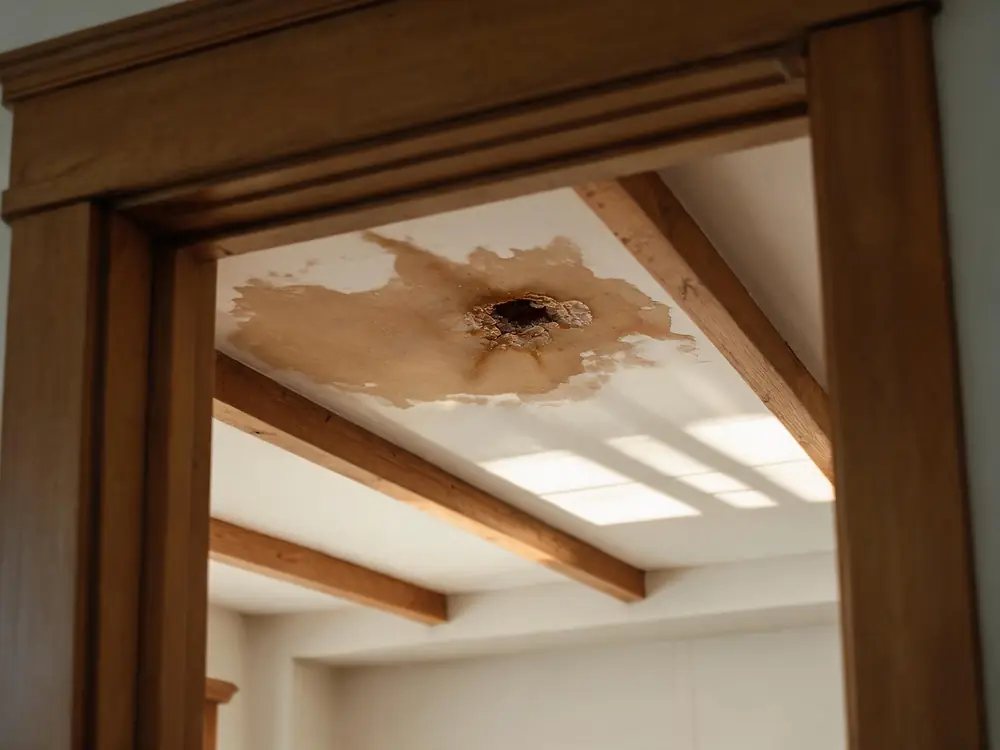
Our Water Damage and Mold Restoration Process
We follow the IICRC S500 standard for water damage restoration and the IICRC S520 standard for mold remediation. Here is what the work looks like from your first call to the final check.
- Stop the water. We help you shut off the supply or find the entry point. If a plumber or roofer is needed, we tell you right away so the repair happens in step with drying.
- Assess and map moisture. We take readings across floors, walls and ceilings and mark where the water traveled. Water moves sideways under flooring and down inside wall cavities, so the wet area is often bigger than the visible stain.
- Extract standing water. Truck-mounted or portable extraction removes bulk water fast. Every gallon pulled out is a gallon the dehumidifiers do not have to remove from the air.
- Remove what cannot be saved. Wet carpet pad, saturated insulation and drywall that has wicked water are cut out. The EPA recommends discarding porous materials that stay wet longer than 48 hours or show mold.
- Contain and remediate mold, if present. When we find growth, we set up plastic containment, run negative air with HEPA filtration, remove moldy materials, HEPA vacuum and clean framing and surfaces.
- Dry the structure. Air movers and dehumidifiers run until wood and drywall readings reach normal levels for your home. We check and log readings daily.
- Verify and hand off. We confirm dry readings, walk you through the results and recommend independent clearance testing when mold work was done. Then the space is ready for rebuild.
Tip: take photos of the water, damaged items and the source before anything is moved. Insurers usually ask for them, and they are hard to recreate later.
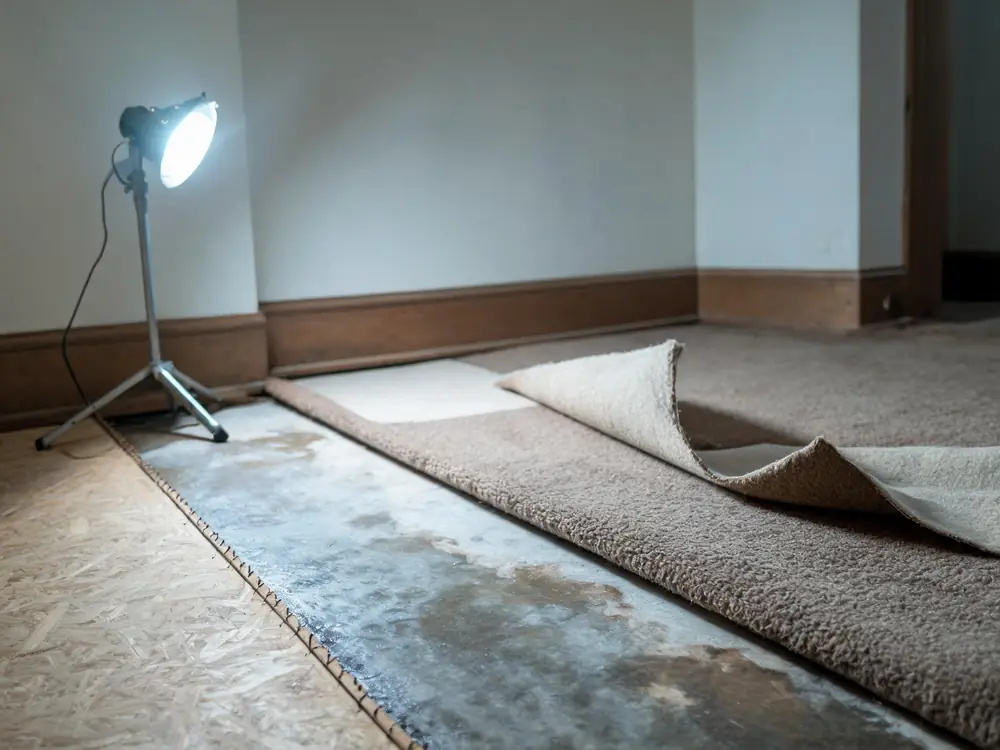
Drying Only vs. Mold Remediation: Options Compared
The right approach depends on how long materials have been wet and whether growth has started. This table shows how the main options compare.
| Situation | Typical approach | What gets removed | Usual timeline |
|---|---|---|---|
| Clean water, found within 24 to 48 hours | Extraction and structural drying | Often only carpet pad or baseboard | 3 to 5 days of drying |
| Clean water, wet more than 48 hours | Drying plus inspection for early growth | Wet drywall, insulation, pad | 4 to 7 days |
| Flood or sewage water (gray or black water) | Extraction, sanitizing, removal of porous materials | Drywall to above the water line, insulation, carpet | 1 to 2 weeks |
| Visible mold after a past leak | Containment, HEPA filtration, mold remediation, then drying | All moldy porous materials plus a margin | 2 to 5 days of remediation |
| Hidden mold suspected in walls or ceilings | Moisture mapping and inspection, then targeted remediation | Only the affected sections | Varies with extent |
Basements and crawl spaces take on water more than any other part of a Gettysburg home. When the water event is below grade, we often pair drying with our basement and crawl space mold remediation service so the foundation area is handled as one project.
What Affects the Cost of Water Damage and Mold Restoration
We price every job after an inspection, because the size of the wet area and the materials involved change the scope a lot. The main cost factors are:
- Water category: clean supply-line water costs less to handle than flood water or sewage.
- Time before drying started: the longer it sat, the more material has to come out.
- Square footage affected: more area means more equipment and more days.
- Materials: plaster, hardwood and finished basements take more care than bare concrete.
- Access: tight crawl spaces and attics add labor.
- Whether mold is present: containment and HEPA filtration add to a drying job.
As a public reference, Gettysburg-area mold remediation typically runs $500 to $1,500 for a small area under 10 square feet, $1,500 to $6,000 for a basement or crawl space, and $10,000 to $30,000 or more for whole-home work. Final pricing comes after we see the damage. For a full breakdown, see our page on mold remediation cost in Gettysburg. Many homeowner policies treat sudden water damage differently from long-term leaks, so our guide on whether homeowners insurance covers mold is worth reading before you file.
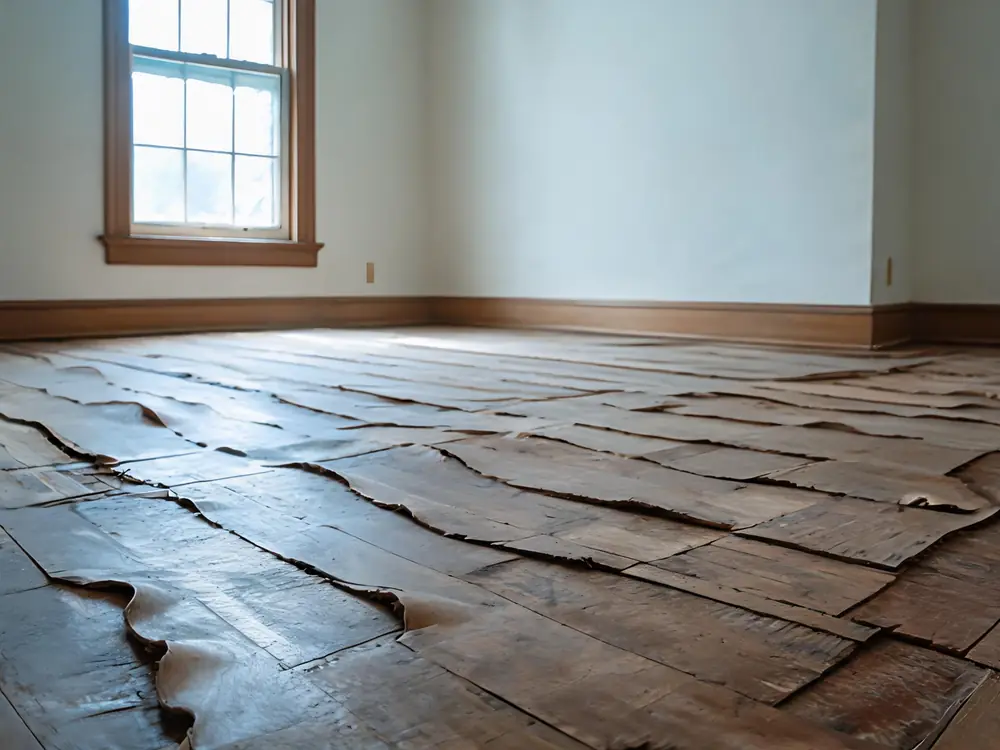
Water Damage and Mold in Gettysburg: Local Factors
Gettysburg gets about 43 inches of precipitation a year, and it does not arrive evenly. Spring snowmelt saturates the ground, July and August bring heavy humidity and thunderstorms, and the remnants of tropical storms can dump several inches at once in late summer and fall. Agnes in 1972, Ivan in 2004 and Lee in 2011 all caused major flooding across the region, and low areas near Marsh Creek and Rock Creek feel it first.
Winter brings a different risk. Freeze-thaw cycles burst pipes in unheated crawl spaces, porches and exterior walls, and those leaks often go unnoticed until the thaw. Our housing stock adds to the challenge. Many homes in the Gettysburg Historic District have fieldstone or rubble foundations that let moisture wick through, plaster walls that hold water longer than drywall, and old-growth framing worth saving rather than replacing. Bathroom fans vented into attics, unfinished basements and crawl spaces under additions are all common. We plan drying and removal around these details, and when exterior work touches the historic district, we remind owners that the Historic Architectural Review Board reviews exterior changes. The National Weather Service office in State College posts flood watches for Adams County, and it is worth checking when heavy rain is forecast.
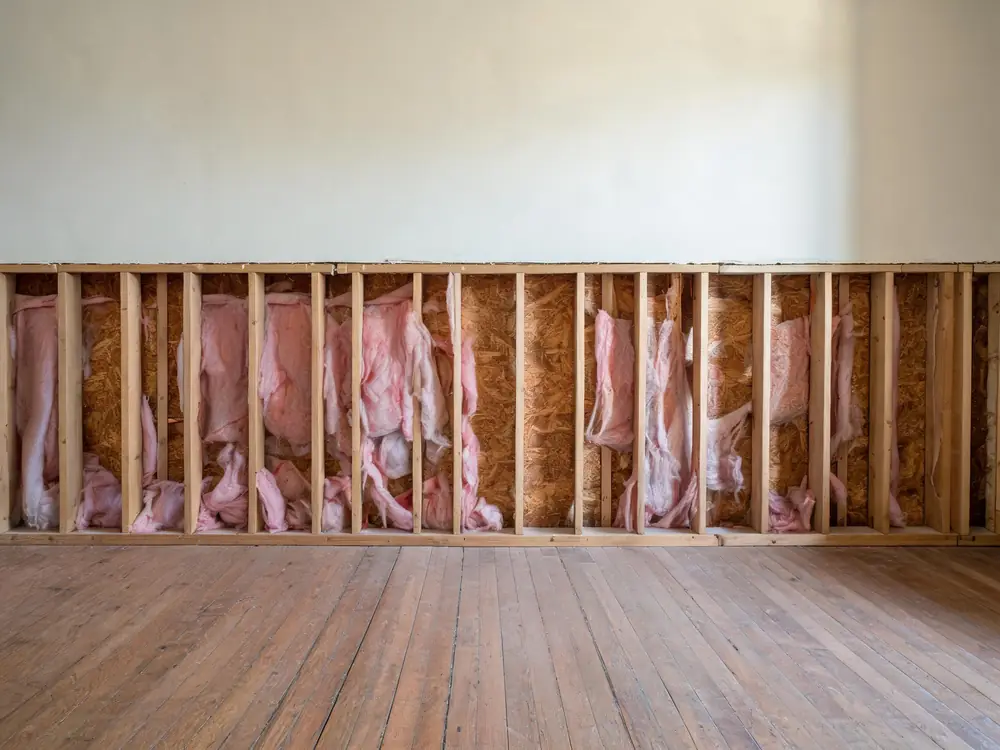
Why Gettysburg Homeowners Call Us for Water Damage and Mold Restoration
Open 24 Hours for Water Emergencies
Water does not wait for business hours, and neither do we. Our line at (717) 420-8919 is answered around the clock, including nights, weekends and holidays. A fast start is the single biggest factor in keeping a water leak from turning into a mold job, because the EPA notes growth can begin within 24 to 48 hours. When you call, we talk you through shutting off water and protecting belongings while we get moving.
Drying Backed by Readings, Not Guesswork
We do not pull equipment because a wall feels dry to the touch. We map moisture with meters and thermal imaging on day one, log readings every day, and only call a room dry when framing, subfloor and drywall reach normal levels for your home. That record shows you exactly what happened, helps your insurer understand the claim, and gives a rebuild contractor confidence that nothing wet gets sealed in behind new drywall.
Standards-Based Mold Remediation When Needed
If mold has already started, we switch to the IICRC S520 approach: plastic containment, negative air pressure with HEPA filtration, removal of moldy porous materials and detailed cleaning of what stays. We keep the work area sealed from the rest of your home so spores are not spread by fans or foot traffic. When the job is done, we recommend independent clearance testing so you have an unbiased check.
Call Now to Stop Water Damage From Becoming Mold
Every hour counts after a leak or flood. Call (717) 420-8919 any time, day or night, or fill out the form on this page and we will reach out to schedule an assessment at your Gettysburg home. We will tell you what we find, what can be dried, what needs to go and what it is likely to cost before any work starts. For general background on moisture and mold, the EPA's guide to mold, moisture and your home is a good starting point.
Before and after
Water Damage & Mold Restoration in Gettysburg: Before and After
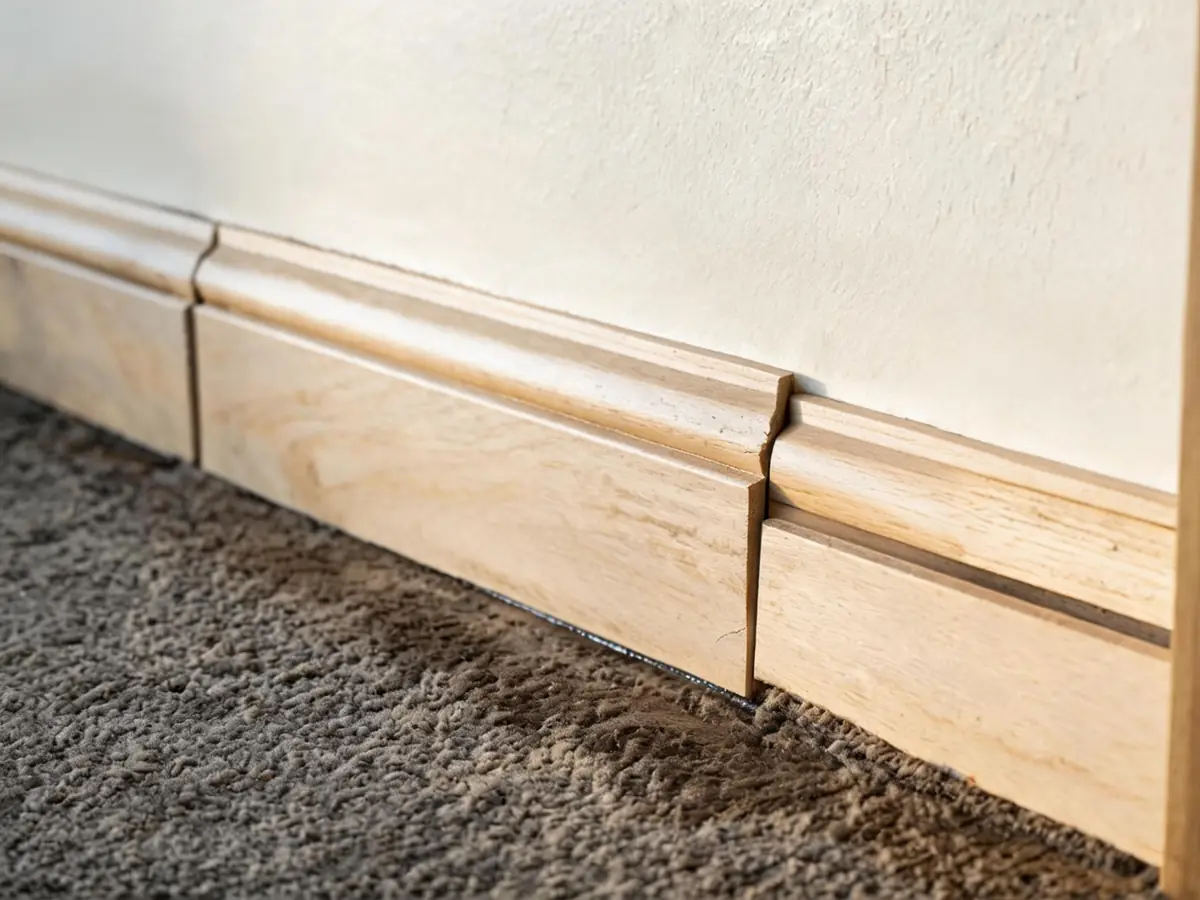
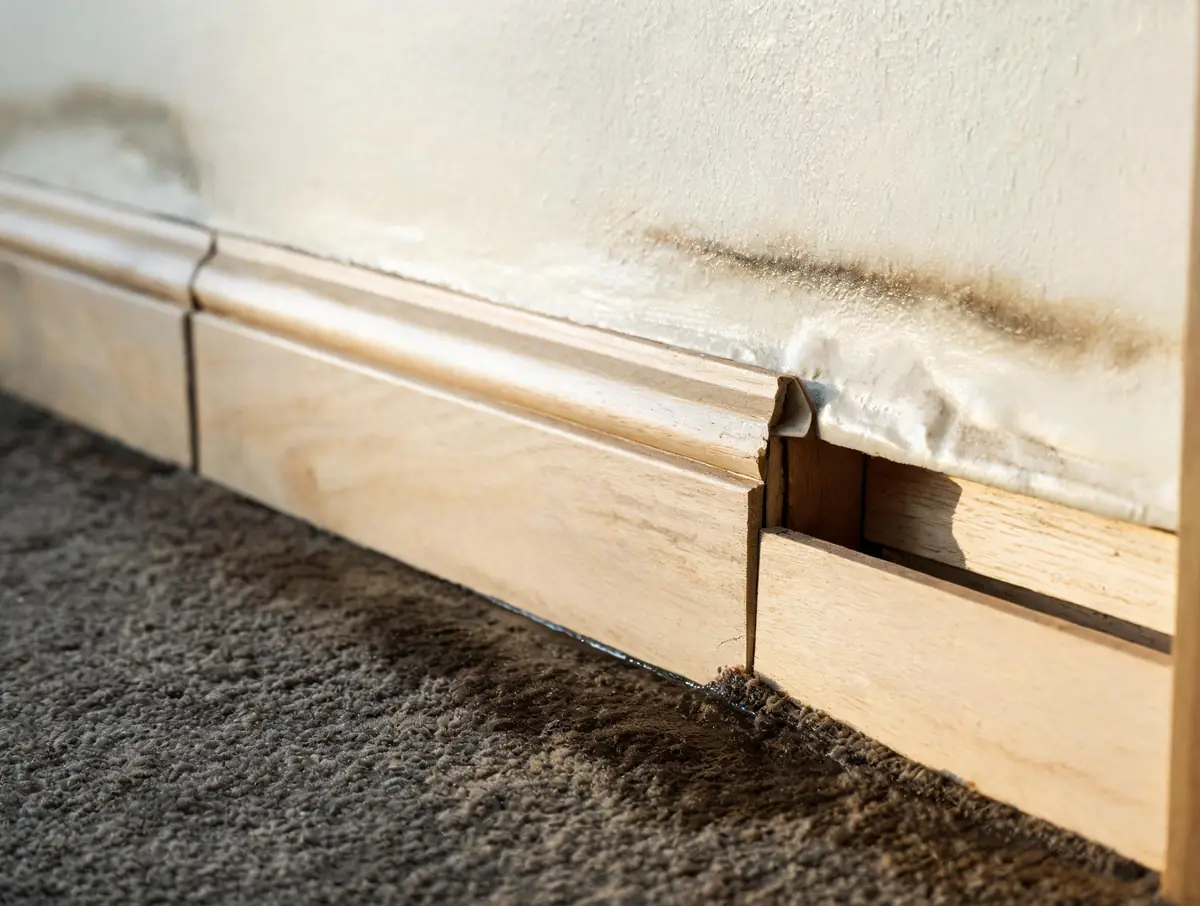 BeforeAfter
Drag the handle to compare. Every property is different — we scope yours on site.
Water Damage & Mold Restoration FAQs
How quickly should water damage be dried to prevent mold?
Aim to start drying within 24 to 48 hours. The EPA says mold can begin growing on wet materials in that window. Extraction and dehumidification started the same day give you the best chance of avoiding mold remediation entirely. More on the 24 to 48 hour window.
Can I dry water damage myself with fans?
Fans can help with a small surface spill that you catch right away. They do not dry wall cavities, subfloors or insulation well, and they can spread spores if mold has started. For anything larger than a small puddle, or water that got into walls or under flooring, a moisture reading is the safest way to know it is truly dry. See where DIY stops being a good idea.
Do I need to remove drywall after a leak?
Not always. Drywall that was wet briefly with clean water can often be dried in place. Drywall that wicked flood water, stayed wet longer than 48 hours or shows mold should be cut out, usually with a margin above the wet line. Moisture mapping tells us where to cut. More on mold in walls after a leak.
Will homeowners insurance pay for water damage and mold?
Many policies cover sudden and accidental water damage, such as a burst pipe, and may cover resulting mold with limits. Long-term leaks and flood water are often excluded unless you have flood insurance. Coverage varies by policy, so check with your insurer or agent. The PA Insurance Department at insurance.pa.gov has consumer guides. See documenting a mold insurance claim.
How long does water damage restoration take?
Most clean-water drying jobs take 3 to 5 days. Flood water, sewage or jobs where mold remediation is needed can take 1 to 2 weeks before rebuild begins. We give you a timeline after the first moisture readings. More on how restoration and remediation differ.
Are you really open 24 hours?
Yes. Call (717) 420-8919 at any hour for water damage or mold concerns at your Gettysburg home or business.
Other Mold Services in Gettysburg
If you smell something musty, see a stain you can't explain, or are about to buy an older house, a professional mold inspection in Gettysburg, PA tells you what is growing, where the moisture is coming from, and what it will take to fix it. We look at your home the way a moisture detective would, then use air or surface testing only when it answers a real question. You get clear findings in plain language, not a scary lab printout.
Mold Inspection and Testing
Black mold removal in Gettysburg, PA starts with finding the water that feeds the mold, then sealing off the area so spores stay put while we remove what's growing. If you've found dark, slimy patches on drywall, wood, or ceiling tiles, you don't need to panic, but you shouldn't wait either. We're open 24 hours at (717) 420-8919, and we'll tell you plainly what you're dealing with and what it will take to fix.
Black Mold Removal
Basement mold remediation in Gettysburg, PA starts with one fact: most homes here sit on old stone, damp clay soil and a water table that rises every spring, so the space below your floor is the most likely place in the house for mold to grow. We remove mold from basements and crawl spaces, fix the moisture that fed it, and set the space up to stay dry through humid Adams County summers. We're open 24 hours at (717) 420-8919.
Basement & Crawl Space Mold Remediation
Attic mold remediation in Gettysburg, PA starts with one question: where is the moisture coming from? We remove mold from roof sheathing, rafters and trusses, fix the ventilation or venting problem that fed it, and treat the wood so the attic stays dry and clean. We're open 24 hours at (717) 420-8919.
Attic Mold Remediation
Air duct mold removal in Gettysburg, PA works best when the whole HVAC system is treated as one unit: the ductwork, the evaporator coil, the drain pan, the blower and the air handler cabinet. We clean each part, fix the moisture that let mold grow and verify the results, and we're open 24 hours at (717) 420-8919.
HVAC and Air Duct Mold Remediation
Commercial mold remediation in Gettysburg, PA has to fit around tenants, guests, closing dates and business hours, and that is how we plan every job. We work with landlords, property managers, business owners, home sellers and caretakers of historic buildings in Gettysburg, the Adams County seat, and we are open 24 hours when a leak or a failed inspection cannot wait.
Commercial, Rental and Real Estate Mold Remediation
Mold remediation cost in Gettysburg, PA typically runs $500 to $1,500 for a small area under 10 square feet, $1,500 to $6,000 for a basement or crawl space, and $10,000 to $30,000 or more for a whole home. This page breaks down what those numbers include, what pushes a job up or down, how homeowners insurance treats mold, and how to read an estimate so you only pay for work you need.
Mold Remediation Cost
Our mold remediation process follows the IICRC S520 standard step by step, from the first inspection to independent clearance testing and rebuild, so mold in your Gettysburg home is removed at the source and the moisture that fed it is fixed. Here is what happens on a job, what it costs, and how to keep mold away.
Our Mold Remediation Process
Need Water Damage & Mold Restoration in Gettysburg?
We answer 24 hours a day. Free, no-obligation estimate after an on-site look.