
Mold guide
Whole-House Mold Remediation Cost: What to Expect
Whole-house mold remediation cost typically runs $10,000 to $30,000 or more, depending on how many areas are affected, how much material has to be removed and whether the home needs rebuilding afterward. In Gettysburg, whole-home jobs usually follow flooding, a long-running hidden leak, or a house that sat closed and humid for months.

By Dale Hoffman, Remediation Lead
Published
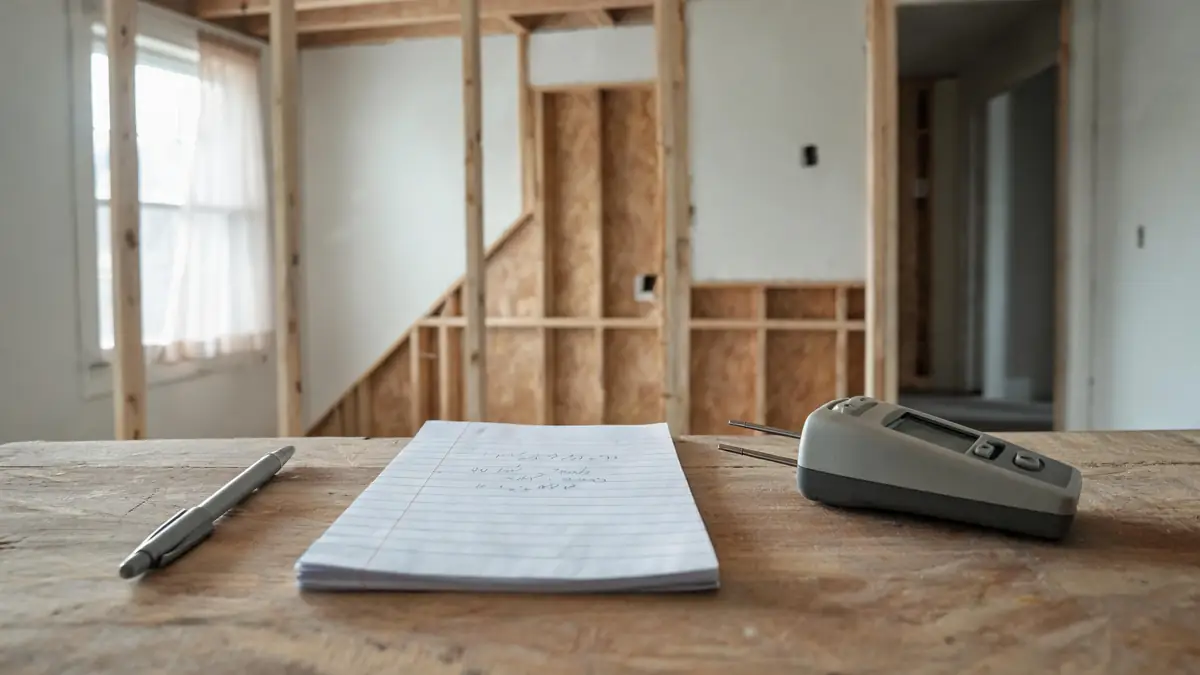
What Counts as Whole-House Remediation?
"Whole-house" does not always mean every room has mold. It usually means one of these:
Whole-home numbers only mean something after somebody measures the affected area, which is why mold remediation services in Gettysburg are quoted on site rather than over the phone.
- Mold in several separate areas, like the basement, a bathroom and the attic.
- Mold that spread through the HVAC system to multiple rooms.
- A flood or sewage backup that wet the lower level of the home.
- A vacant home where humidity stayed high for months and growth appeared on many surfaces.
The EPA's guidance treats areas over about 100 square feet as large jobs that need more containment and protection. Whole-house jobs are well beyond that.
Typical Cost Ranges
| Scope | Typical range |
|---|---|
| Small area under 10 sq ft | $500 to $1,500 |
| Basement or crawl space | $1,500 to $6,000 |
| National average single job (Angi/HomeAdvisor-style ranges) | About $1,200 to $3,800 |
| Whole home | $10,000 to $30,000 or more |
These ranges cover the remediation itself. Rebuilding finishes and repairing the source, like a new roof or drainage work, are usually separate costs. Final pricing always comes after an on-site inspection.
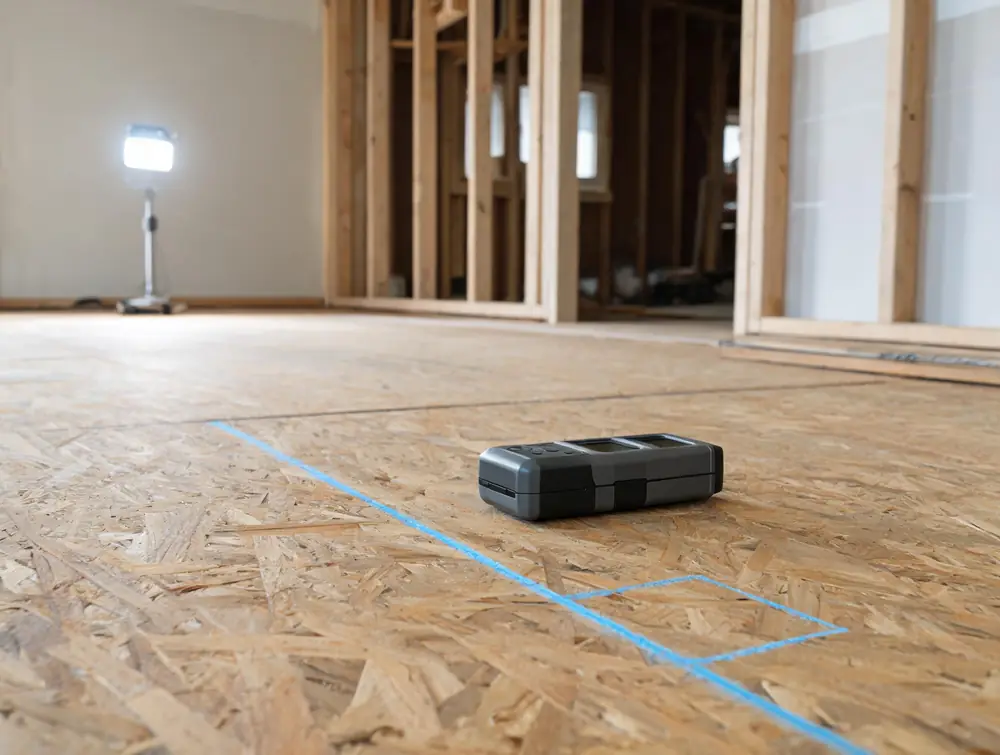
What Drives the Price of a Whole-Home Job
Every factor that affects a small job gets multiplied in a large one. For a full explanation, see what affects mold remediation cost. The biggest drivers are:
- Total affected square footage. Labor, materials and disposal scale with area.
- Containment zones. Multiple separate zones each need barriers, negative air and HEPA filtration.
- Material removal. Drywall, insulation, carpet and pad that are moldy are usually removed. Removing drywall up to 2 or 4 feet after a flood is common.
- HVAC involvement. Cleaning ducts, coils and air handlers adds cost if mold is in the system.
- Water category. Clean water from a supply line is less costly to handle than floodwater or sewage, which require more removal and protective measures.
- Drying time. More wet material means more dehumidifiers and air movers for more days.
- Rebuild. New drywall, paint, flooring, trim and cabinets can equal or exceed remediation costs.
What a Whole-House Job Includes
- A full moisture and mold assessment of every level, including attic and crawl space.
- A written plan that divides the home into work zones.
- Containment, negative air and HEPA air scrubbers in each zone.
- Removal of contaminated porous materials and HEPA cleaning of structure.
- Antimicrobial treatment of framing and other hard surfaces.
- HVAC inspection and cleaning if the system is contaminated. The National Air Duct Cleaners Association publishes standards for duct cleaning.
- Drying with moisture readings until materials are back to normal levels.
- Independent clearance testing before rebuild, which we recommend on every large job.

How to Avoid Paying for More Than You Need
To keep the scope accurate:
- Get a thorough inspection with moisture mapping before agreeing to a whole-house scope.
- Ask the contractor to show you the affected areas and readings, room by room.
- Consider independent testing to confirm which areas are affected, especially if an estimate seems large.
- Ask for an itemized estimate with each zone priced separately.
- Fix the moisture source first. Without it, even an expensive job will fail.
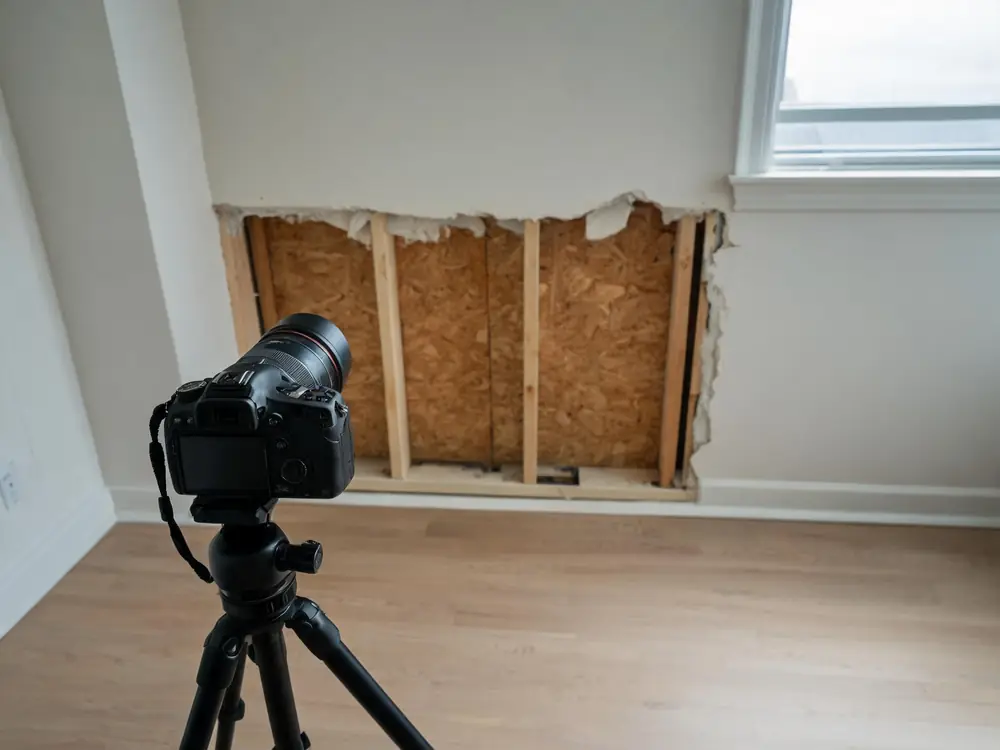
Will Insurance Pay?
Whole-house mold often follows a flood, which a standard homeowners policy usually excludes, or a long-term leak, which is also often excluded. Mold from a sudden, covered event like a burst pipe may be covered, but many policies cap mold with a sublimit that a large job can exceed. Read your policy and talk to your insurer or agent. The Pennsylvania Insurance Department has consumer resources. This is general information only.
Whole-House Mold in Gettysburg Homes
Gettysburg's older homes and climate make large jobs more likely in certain situations. Remnants of tropical storms, like Agnes in 1972, Ivan in 2004 and Lee in 2011, caused major regional flooding. Freeze-thaw winters burst pipes in crawl spaces and unheated additions, sometimes in homes left empty for the season. Stone foundations and humid Julys and Augusts keep basements damp. When a historic home needs extensive work, cleaning sound plaster and old-growth framing instead of removing them can reduce both cost and loss of original material.
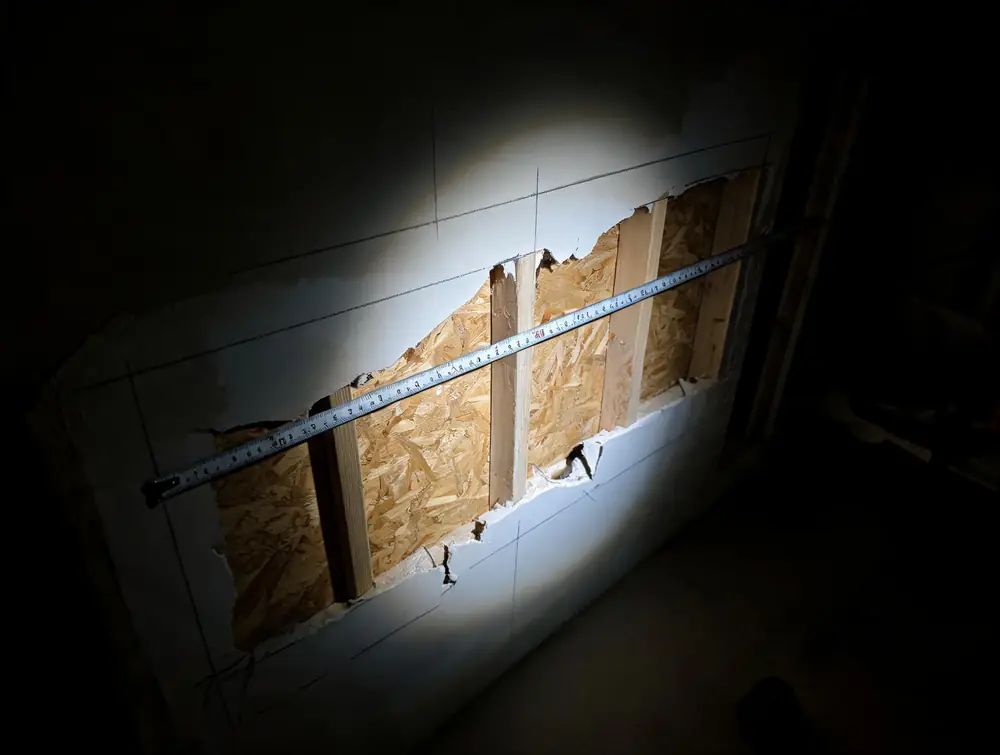
How Long Does It Take?
Most whole-house remediation takes one to three weeks, not counting rebuild. Drying, the number of zones, and whether the family stays in part of the home all affect the timeline. Many families stay elsewhere during a large job, especially if the HVAC system must be shut down.
When to Call a Professional
Any job that involves several rooms, floodwater, sewage or the HVAC system needs professional remediation. We map moisture room by room, give you an itemized estimate by zone, and recommend independent clearance testing. See our complete guide to mold remediation cost in Gettysburg, or call (717) 420-8919 any time.