
Mold guide
IICRC S520 Mold Conditions 1, 2 and 3 Explained for Homeowners
The IICRC S520 standard sorts every area of a home into one of three mold conditions. Condition 1 is normal background, Condition 2 is contamination from settled spores and fragments, and Condition 3 is actual mold growth. Knowing which condition each room is in tells you what work it needs and what "done" should look like.

By Dale Hoffman, Remediation Lead
Published
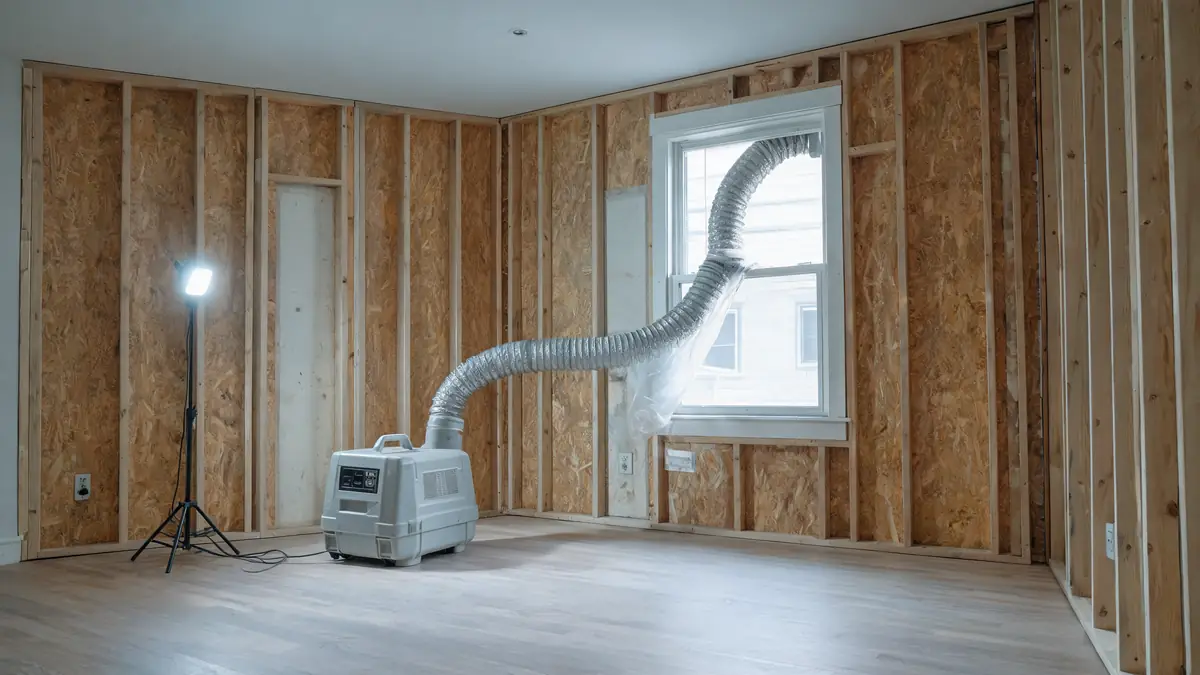
What IICRC S520 Is
IICRC S520 is the Standard for Professional Mold Remediation, published by the Institute of Inspection Cleaning and Restoration Certification. It sets out the procedures and precautions for remediation in homes, commercial buildings and their contents.
The current edition is ANSI/IICRC S520: 2024, the fourth edition. Earlier editions date to 2003, 2008 and 2015. The full text is sold by the IICRC, so this guide explains the conditions in plain language rather than quoting the standard.
S520 is voluntary. No Pennsylvania law requires a contractor to follow it. It still matters to homeowners, because it is the common reference that contractors, independent inspectors and many insurance adjusters use to describe what proper work looks like.
The heart of the standard is a simple idea. Instead of asking "is there mold?", which is always yes at some level, it asks "what condition is this area in?" That question drives everything from containment to the final test.
The three conditions at a glance
| Condition | What it means | Typical example | Typical response |
|---|---|---|---|
| Condition 1 | Normal fungal ecology; spores and fragments at levels expected for that kind of space | A dry bedroom with no water history | No remediation; this is the goal state |
| Condition 2 | Settled spores or fragments that spread from a Condition 3 area, without significant growth of their own | A hallway next to a moldy bathroom, dusty contents in a basement | HEPA vacuuming, damp wiping, air filtration |
| Condition 3 | Actual mold growth, active or dormant, visible or hidden, plus its spores | Moldy drywall behind a leaking sink, growth on joists | Containment, removal of affected porous material, cleaning of hard surfaces |
A single house can contain all three. A leak in an upstairs bathroom might leave Condition 3 in the wall cavity, Condition 2 in the hall and bedroom next to it, and Condition 1 everywhere else.
Condition 1: Normal Fungal Ecology
Condition 1 is the baseline. Every home has mold spores in its air and dust, carried in on shoes, pets, clothing and open windows. That background is normal and is not a problem.
What matters is that the types and amounts look like what you would expect for that kind of space. A Condition 1 room has no water damage, no growth and no unusual spore buildup.
For homeowners, the key point is that Condition 1 is the finish line. A contractor who promises a "mold-free" or "sterile" home is promising something S520 does not define and no one can deliver.
Condition 2: Settled Spores and Fragments
Condition 2 means an area has been contaminated by spores and fragments that came from a Condition 3 area. The mold did not grow there. It drifted or was carried there.
Spores move in several ways:
- Through air currents and HVAC ducts
- On people and pets walking through a moldy area
- During careless demolition without containment
- On contents moved out of a moldy basement or closet
Condition 2 areas usually do not need demolition. The fix is cleaning: HEPA vacuuming, damp wiping of surfaces, and HEPA air filtration to capture what is airborne. Contents in these areas can often be cleaned and kept.
Condition 2 and your HVAC system
Forced-air systems are a common path for Condition 2 contamination. A return vent in or near a moldy basement can pull spores into the ductwork and spread them through the house.
That is why an assessment looks at the air handler, returns and nearby ducts, not just the wall with the stain. If ducts are involved, they become part of the scope. Our guide on whether mold spreads through HVAC covers what to look for.
Condition 2 is easy to overlook because nothing is visible. It is also the reason a room next to the obvious problem can still fail clearance if it is skipped.
Condition 3: Actual Growth
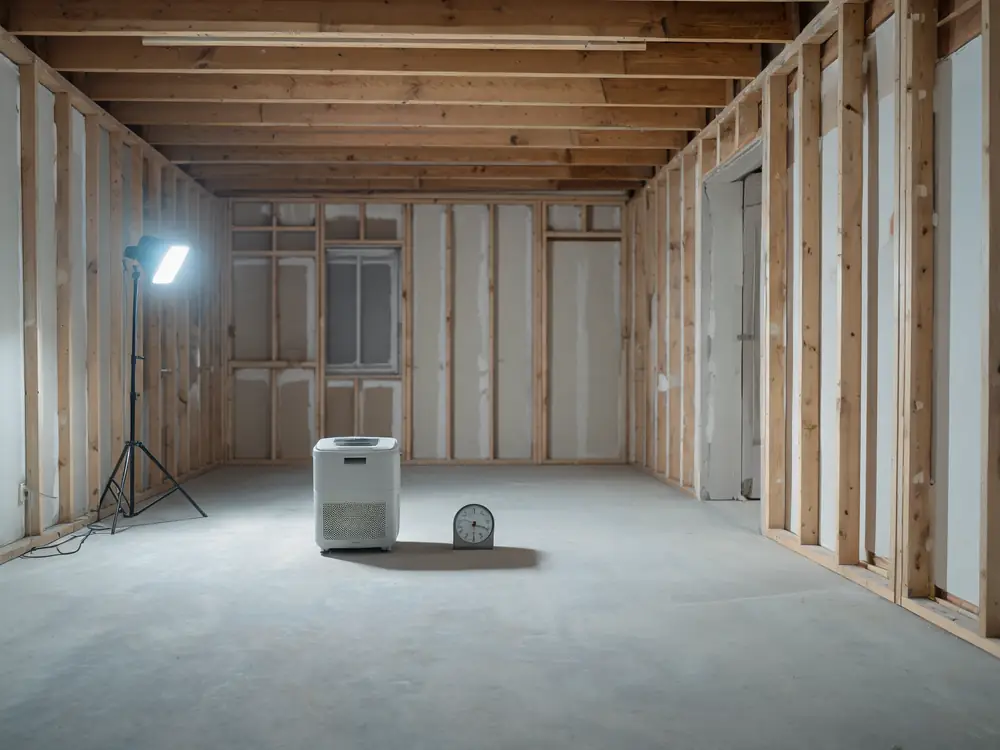
Condition 3 is an area with actual mold growth and the spores that come with it. The growth can be active or dormant, and it can be visible or hidden inside walls, ceilings, floors or ducts.
Dormant growth still counts. Mold that dried out is not gone. It can still release spores and fragments, and it can restart if moisture returns.
Condition 3 is what most people picture as "the mold problem." Typical places in Gettysburg homes include drywall behind leaks, joists in damp fieldstone basements, attic sheathing above poorly vented bathrooms, and crawl space framing over bare soil.
What Condition 3 usually requires
- Fixing the moisture source
- Containment to keep spores from spreading during the work
- Removal of moldy porous materials such as drywall, insulation and carpet pad
- Physical removal of growth from hard materials such as framing, by sanding, scraping or blasting
- HEPA vacuuming and damp wiping of all surfaces in the work area
- Drying materials to normal moisture levels
Note the word "removal." S520 emphasizes physically removing mold, not just killing it. Dead mold can still trigger allergy symptoms, which is why spraying a biocide is not a substitute for removal. Our guide to what actually gets rid of mold for good expands on this.
How Conditions Shape Containment and Cleanup
The condition map from an assessment becomes the plan for the job. It tells the crew where to build containment, where to remove material and where to clean only.
Containment protects Condition 1 and 2 areas
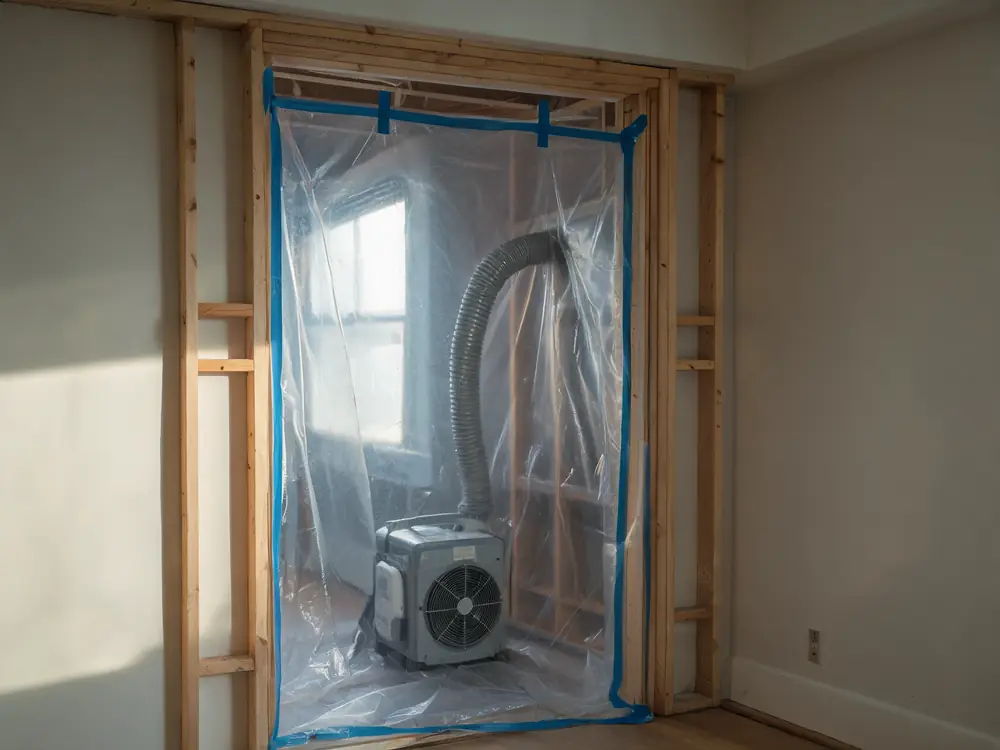
Containment walls off Condition 3 work so spores do not spread and turn clean rooms into Condition 2 rooms. It typically uses poly sheeting, sealed doorways and negative air pressure, so air flows into the work area rather than out of it.
S520 does not set containment by a single square-footage number. The size and type of containment are a professional judgment based on how much growth there is, what materials are involved, how the work will disturb them, and who lives in the home. The EPA's remediation guide for larger buildings uses a similar approach of scaling precautions to the size of the job.
HEPA filtration and cleaning cover Condition 2
HEPA air scrubbers run during and after the work to capture airborne spores. Surfaces in and around the work area are HEPA vacuumed and wiped. Our article on HEPA air scrubbers explains how they set up negative pressure.
Contents follow the same logic
Furniture, clothing and stored items are sorted by condition too. Items from Condition 2 areas are usually cleaned. Items with actual growth are cleaned if they are hard and non-porous, and often discarded if they are porous and heavily affected.
How Clearance Confirms a Return to Condition 1
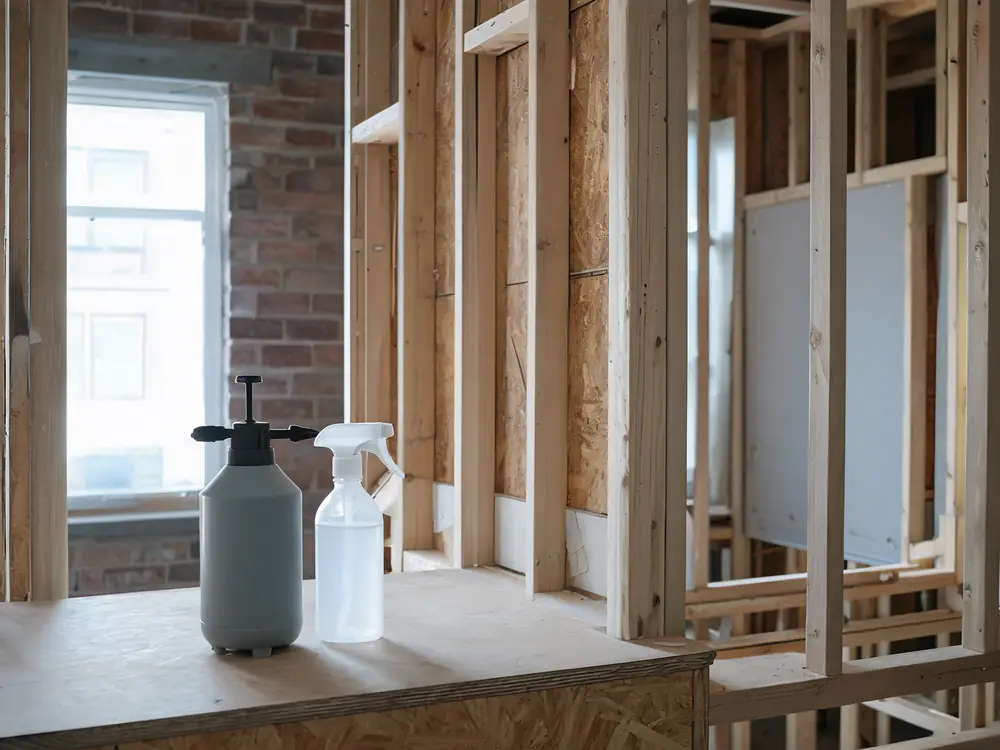
Because the goal is Condition 1, the job is not finished when the crew stops working. It is finished when someone verifies the area is back to normal.
S520 calls this post-remediation verification. It usually combines three checks:
- Visual inspection. No visible growth, debris or dust in the work area.
- Moisture check. Materials have dried to normal readings and the water source is fixed.
- Sampling, when appropriate. Air or surface samples compared with an outdoor or unaffected indoor reference.
Verification should come before rebuilding, while the cleaned framing is still open. Once new drywall goes up, any missed growth is sealed in.
We recommend independent third-party clearance on every job, so the person grading the work is not the one who did it. Our guides to post-remediation clearance testing and spore count benchmarks explain how results are read.
Questions to Ask a Contractor About S520
- Which rooms are Condition 3, and which are Condition 2?
- Where will containment go, and will you use negative air pressure?
- Which materials will be removed, and which will be cleaned?
- How will you find and fix the moisture source?
- Who performs post-remediation verification, and is that person independent?
- What happens if the area fails verification?
A contractor who works to S520 should answer these in plain terms and put the scope in writing. For more on vetting a company, see our guides on how to choose a remediation company and mold remediation certifications.
When to Call a Professional
An assessment with moisture mapping and mold testing is how the condition of each area gets decided. Guessing from a visible stain tends to miss Condition 2 rooms and hidden Condition 3 growth.
Call for an assessment if you have visible growth, a musty smell, or a recent leak that soaked drywall, carpet or framing. Mapping which areas are Condition 2 and which are Condition 3 is the first step in any proper job.
Our remediation process follows IICRC S520 and EPA guidance, from moisture mapping and containment through HEPA cleaning and independent clearance. The inspection is free and you get a written scope before work begins. Call (717) 420-8919, 24 hours a day.