
Mold guide
Can You Sell a House With Mold in PA? What Sellers Should Know
Yes, you can sell a house with mold in PA, but Pennsylvania sellers must disclose known material defects, and known mold or water problems belong on that disclosure. For Gettysburg homeowners, especially those with older stone-foundation houses, the smartest path is usually to find the moisture source, fix it, document the repair, and disclose it clearly.

By Dale Hoffman, Remediation Lead
Published
What Pennsylvania Law Requires
The Pennsylvania Real Estate Seller Disclosure Law applies to most sales of residential property with one to four units. The seller must give the buyer a written disclosure of known material defects before the agreement of sale is signed. Most sellers use the Seller's Property Disclosure Statement form, which includes questions about water leakage, basement dampness and mold.
Sellers who remediate before listing usually keep the paperwork: a Gettysburg mold remediation scope, moisture readings and a clearance report answer the buyer's questions before they are asked.
A few points are worth knowing:
- It covers what you know. Sellers are not required to hire inspectors or open walls to look for hidden problems. But you cannot ignore things you do know about.
- Past problems can count. A past leak or mold cleanup is often relevant, and the form asks about repairs as well as current conditions.
- Updates matter. If you learn something new before settlement that makes your disclosure inaccurate, you generally need to tell the buyer.
- Some transfers are exempt. Certain sales, such as some court-ordered transfers, may not require the form. Your agent or attorney can confirm.
The State Real Estate Commission, part of the Pennsylvania Department of State, oversees real estate licensing in the state. Laws and forms can change, so consult a real estate attorney or your agent for advice on your specific sale.
Is Mold a Material Defect?
A material defect is generally a problem that would have a significant effect on the value of the property or pose an unreasonable risk to people living there. A small patch of mildew on a bathroom ceiling that you cleaned and that never came back is different from a basement with recurring growth on the joists. The underlying water problem, like a leaking foundation or a roof leak, is often the bigger issue in a buyer's eyes.
Your Three Options as a Seller
| Option | Pros | Cons |
|---|---|---|
| Remediate before listing | Cleaner inspection, wider pool of buyers, documentation ready | Upfront cost and some time before listing |
| Disclose and offer a credit | No work before sale, buyer chooses contractor | Buyers often ask for more than the real cost; some lenders balk |
| Sell as-is | Fast, minimal effort | Lower offers, mostly cash or investor buyers |
For most Gettysburg homeowners with a contained problem, such as a damp basement corner or attic growth from a misrouted bath fan, remediating first is often the better value. Typical local ranges are $500 to $1,500 for small areas under 10 square feet and $1,500 to $6,000 for a basement or crawl space. Final pricing always comes after an inspection.
What Happens When the Buyer's Inspector Finds Mold
Many buyers order a home inspection, and some add mold testing. Our guide to mold inspection before buying a home explains what buyers look for. If mold turns up during the inspection period, the buyer may:
- Ask you to remediate before closing.
- Ask for a price reduction or closing credit.
- Ask for a clearance test after work is done.
- Walk away, if the agreement's inspection contingency allows it.
Speed helps. A written remediation scope and schedule shows the buyer you have a plan, and a clearance report at the end gives their agent and lender something concrete. Attic mold is one of the most common findings in these inspections, because many older homes have bath fans that vent into the attic.
Documentation That Helps a Sale
When you remediate before or during a sale, keep a file with:
- Photos of the mold and the moisture source before work.
- The contractor's written scope of work and invoice.
- Records of the source repair, like a new gutter, sump pump or ducted bath fan.
- Photos during containment and after removal.
- An independent clearance inspection or test report.
This file does two jobs. It shows the buyer the problem was handled correctly, and it supports an accurate answer on your disclosure form.
Historic and Older Homes in Gettysburg
Much of downtown Gettysburg sits in the Gettysburg Historic District, and many homes there have stone or fieldstone foundations, plaster walls and old-growth lumber. Stone foundations often feel damp and can show efflorescence, the white mineral crust that is not mold at all. Buyers of older homes know some basement dampness is normal, but they want to see that it is managed.
Plaster and original trim should be cleaned gently rather than torn out whenever it is safe, which helps preserve the character buyers pay for. Our article on mold remediation for historic buildings explains those methods. Exterior changes in the district, like new window wells or drainage work visible from the street, may need review by the Historic Architectural Review Board, so plan ahead if your sale timeline is tight.
Mistakes Sellers Should Avoid
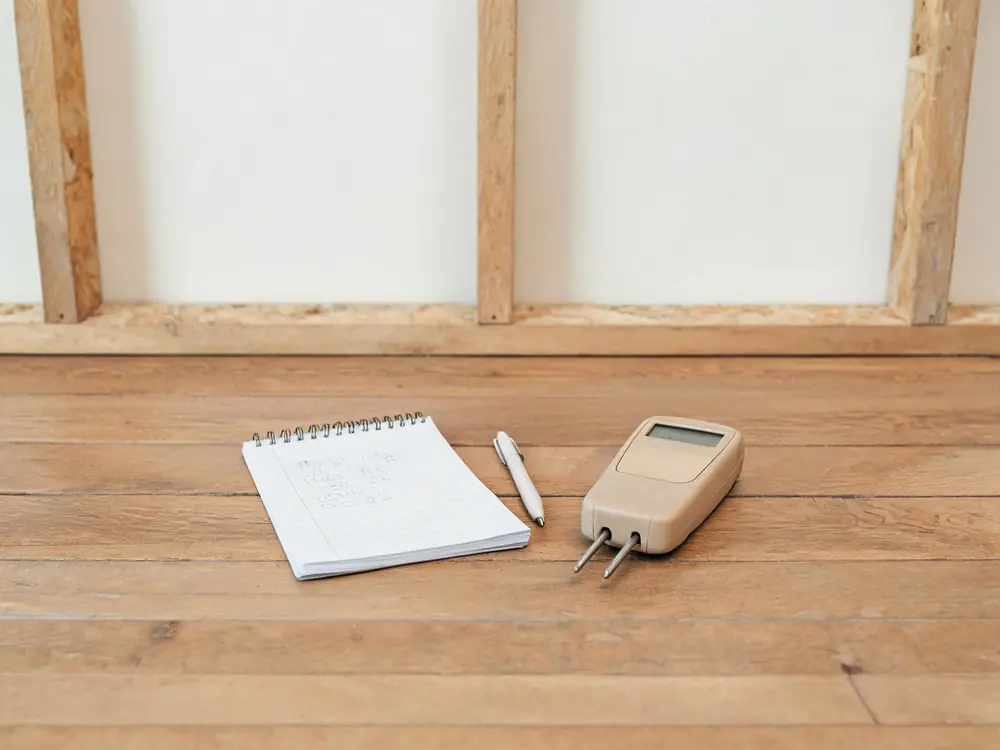
- Painting over mold. Buyers' inspectors check moisture with meters and thermal cameras. Hiding a problem can create legal risk.
- Bleaching a large area and calling it done. The EPA says the key is fixing the moisture and removing growth, and porous materials with mold often need to be removed.
- Skipping the source repair. A clean basement that floods again next spring is a problem for everyone.
- Waiting until the inspection. Fixing a known problem before listing gives you more control over cost and timing.
When to Call a Professional
Call a professional if you have growth over about 10 square feet, a musty smell with no clear source, mold on framing, or a buyer's inspection report that flags mold. We can set a schedule around your listing or closing date and provide the documentation buyers and lenders expect. Learn more about our commercial and rental mold remediation and real estate work, or call (717) 420-8919 any time.
The work itself is described on our commercial and rental mold remediation page.
This sits inside a bigger picture, covered in Does Homeowners Insurance Cover Mold Remediation in PA?.