
Mold guide
What Permanently Kills Mold? (And What Doesn't)
Nothing permanently kills mold on its own, because mold spores are always in the air and will grow again anywhere materials stay wet. What gives Gettysburg homeowners a lasting result is removing the growth and controlling moisture, with cleaners playing a supporting role.

By Dale Hoffman, Remediation Lead
Published
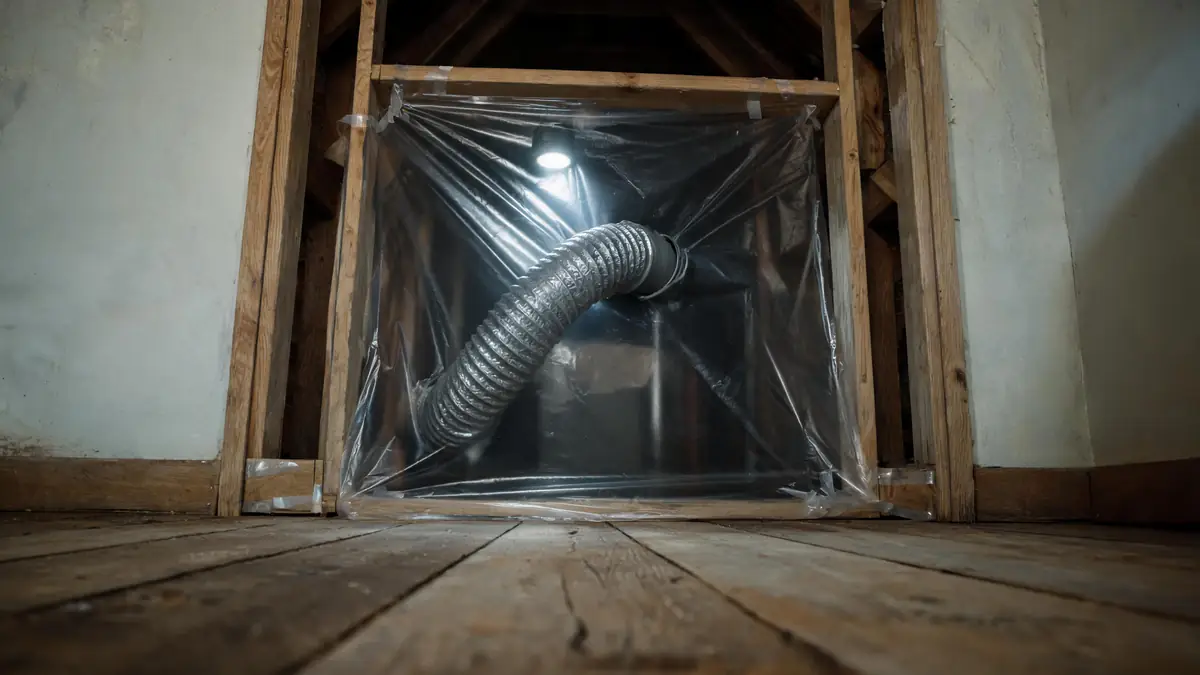
Why "Kill" Is the Wrong Goal
Mold spores are everywhere outdoors and drift inside every day. Even if you killed every spore in a room, new ones would land by the next morning. They only grow when they find moisture.
Nothing sprayed from a bottle keeps mold away. Removing the growth and correcting the moisture does, which is the whole basis of professional mold remediation in Gettysburg.
Killing mold also does not make it harmless. The EPA notes that dead mold can still cause allergic reactions, which is why the goal is to remove it, not just treat it. That is how professional remediation works under the IICRC S520 standard.
Common Mold Killers Compared
| Product | Hard, non-porous surfaces | Porous surfaces (drywall, wood) | Notes |
|---|---|---|---|
| Detergent and water | Works well for removal | Surface only | EPA's go-to for routine cleanup |
| Chlorine bleach | Kills surface mold | Poor; water soaks in, bleach stays on top | Never mix with ammonia; fumes irritate lungs |
| White vinegar | Kills many common molds | Limited penetration | Mild; smell fades as it dries |
| Hydrogen peroxide (3%) | Kills surface mold | Limited | Can lighten some surfaces |
| Borax solution | Kills and inhibits | Limited | Low odor; do not ingest |
| EPA-registered antimicrobials | Kills per label | Used on cleaned wood as a final step | Follow label directions exactly |
| Encapsulant coatings | Not needed | Seals cleaned wood | Only after removal, never instead of it |
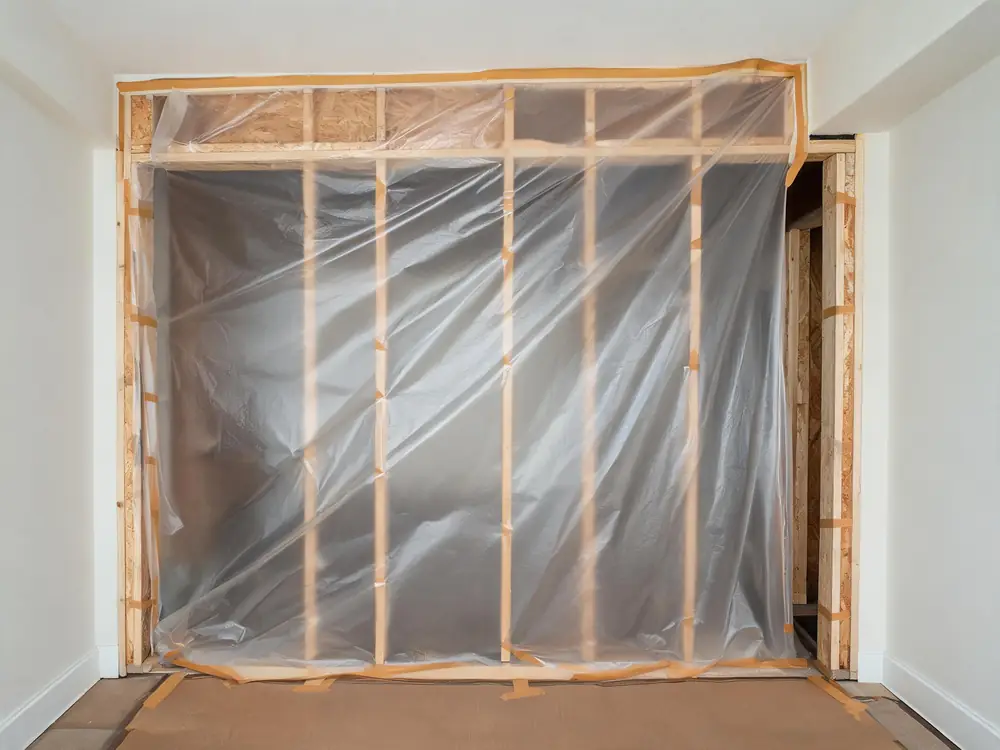
Hard Surfaces vs. Porous Materials
Hard, non-porous surfaces like tile, glass, metal, sealed countertops, and concrete are easy. Scrub with detergent and water, rinse, and dry. Mold cannot root into these, so cleaning removes it.
Semi-porous materials like framing lumber and subfloor can usually be saved. Professionals HEPA vacuum, damp wipe, and sand or blast stained areas, then may apply an antimicrobial or sealant. The old-growth framing in many Gettysburg homes is dense and often cleans up well.
Porous materials like drywall, ceiling tile, carpet pad, insulation, and upholstered furniture trap mold in their fibers. Once they have visible growth, removing and replacing them is the reliable fix. No spray reaches deep enough.
If you are unsure which group a material falls into, try this test: if water soaks in and darkens it, treat it as porous. When in doubt with drywall or insulation, replacing it costs less than cleaning it twice.
Why Bleach Is Overrated
Bleach is mostly water. On drywall or wood, the water soaks in while the chlorine stays near the surface. That can feed the mold below while the surface looks clean. It also gives off harsh fumes and must never be mixed with ammonia or acidic cleaners. For a deeper look, see does bleach kill mold.
What Never to Put on Mold
- Paint or caulk alone. Covering mold hides it; it keeps growing underneath.
- Bleach mixed with anything. Bleach plus ammonia or vinegar releases toxic gas.
- Dry brushing without misting. It launches spores into the air.
- Air fresheners and ozone machines as a fix. They mask odor but do not remove mold, and ozone can irritate lungs.
- Fogging as the only treatment. Fog settles on surfaces; it does not remove growth.
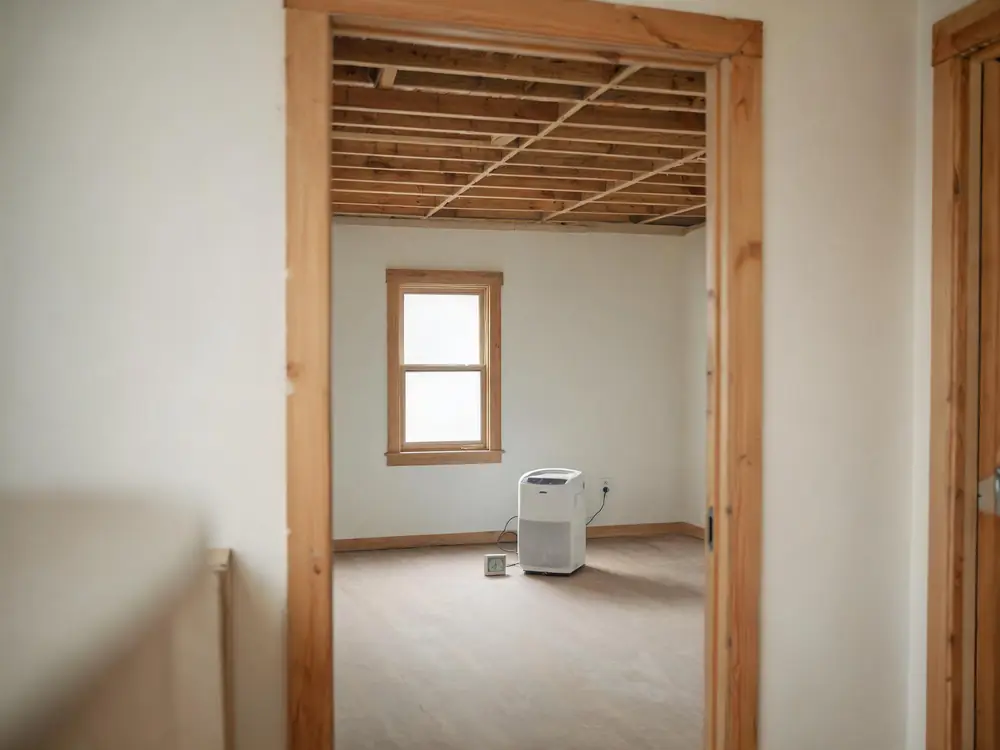
The Real Permanent Fix: Moisture Control
Once growth is gone, moisture decides whether it comes back. Key steps:
- Fix leaks within 24 to 48 hours.
- Keep indoor humidity below 60%, ideally 30% to 50%.
- Run a basement dehumidifier from late spring through early fall.
- Vent bathroom and kitchen fans outside, not into the attic.
- Keep gutters clear and slope soil away from the foundation.
In Gettysburg, with about 43 inches of precipitation a year and muggy July and August weather, basement humidity is often the biggest factor. A hygrometer costs little and tells you when to act.
When to Call a Professional
If mold covers more than about 10 square feet, is inside walls or ducts, or keeps coming back, you need removal plus a moisture fix, not a stronger spray. Learn how to choose a mold remediation company, see our mold remediation process, or call (717) 420-8919 any time.
This one comes up on more than one kind of job: black mold removal in Gettysburg, HVAC and air duct mold remediation and how our remediation process works.
Related guides
- Does Bleach Kill Mold? Why It Fails on Porous Surfaces
- DIY Mold Remediation: When It's Safe and How to Do It
- How to Prevent Mold in Your Gettysburg Home
- HEPA Air Scrubbers and Air Purifiers for Mold
- Musty Smell in House but No Visible Mold? Here's Why
- 9 Signs of Hidden Mold in Your House
- Mold Season in Pennsylvania: When Mold Is Worst in Gettysburg
- Mold on Window Sills: Why It Keeps Coming Back
- Mold Under the Kitchen Sink: Causes and Fixes
- Bathroom Mold Removal: Shower, Grout, Ceiling and Walls
- Can Moldy Furniture, Clothes and Belongings Be Saved?