Mold Inspection and Testing in Gettysburg, PA
If you smell something musty, see a stain you can't explain, or are about to buy an older house, a professional mold inspection in Gettysburg, PA tells you what is growing, where the moisture is coming from, and what it will take to fix it. We look at your home the way a moisture detective would, then use air or surface testing only when it answers a real question. You get clear findings in plain language, not a scary lab printout.
Open 24 hours · Free, no-obligation estimate
Get a Free Mold Estimate
Answered 24/7. No obligation.
What Our Mold Inspection and Testing Includes
A mold inspection is a visual and instrument-based survey of your home. Mold testing is the collection of samples that a lab analyzes. Many homeowners need the first and only some need the second. Our guide to mold inspection vs. mold testing explains the difference in detail. Here is what a typical visit covers:
- Interview and history. We ask about leaks, flooding, past repairs, odors, and when symptoms show up. A roof leak from last spring or a sump pump that failed during a storm tells us where to look first.
- Room-by-room visual survey. Basement, crawl space, attic, bathrooms, kitchen, laundry, HVAC equipment, and any room with a complaint.
- Moisture mapping. We use pin and pinless moisture meters, a thermal imaging camera, and a hygrometer to find damp materials behind walls and under floors. Read more about how inspectors find hidden moisture.
- Humidity readings. We record relative humidity (RH) in problem areas. The EPA recommends keeping indoor RH below 60%, and ideally between 30% and 50%.
- Sampling when it helps. Air samples, tape lifts, or swabs sent to an independent lab. We explain why each sample is being taken before we take it.
- A written report. Photos, moisture readings, a sketch of affected areas, lab results if any, and a practical plan with next steps.
Signs You Need a Mold Inspection
Most calls start with a feeling that something is off. These are the common triggers we hear in Gettysburg homes:
- A musty smell but no visible mold, often strongest when the house has been closed up or the air conditioning first kicks on.
- Water stains on ceilings or walls, bubbling or peeling paint, or warped baseboards.
- A past leak, flood, or burst pipe that was dried by fans only, without anyone checking inside the wall.
- Allergy-like symptoms that ease when you leave the house. See a doctor for any health concern; an inspection can rule the house in or out as a source.
- Condensation on windows, cold walls, or ductwork through the summer.
- You are buying or selling a home. A mold inspection before buying a home is one of the best ways to avoid a costly surprise.
- You finished a mold removal project and want proof it worked.
Our article on the signs of hidden mold covers each warning sign in more depth, including a few that people tend to miss.
Our Mold Inspection Process, Step by Step
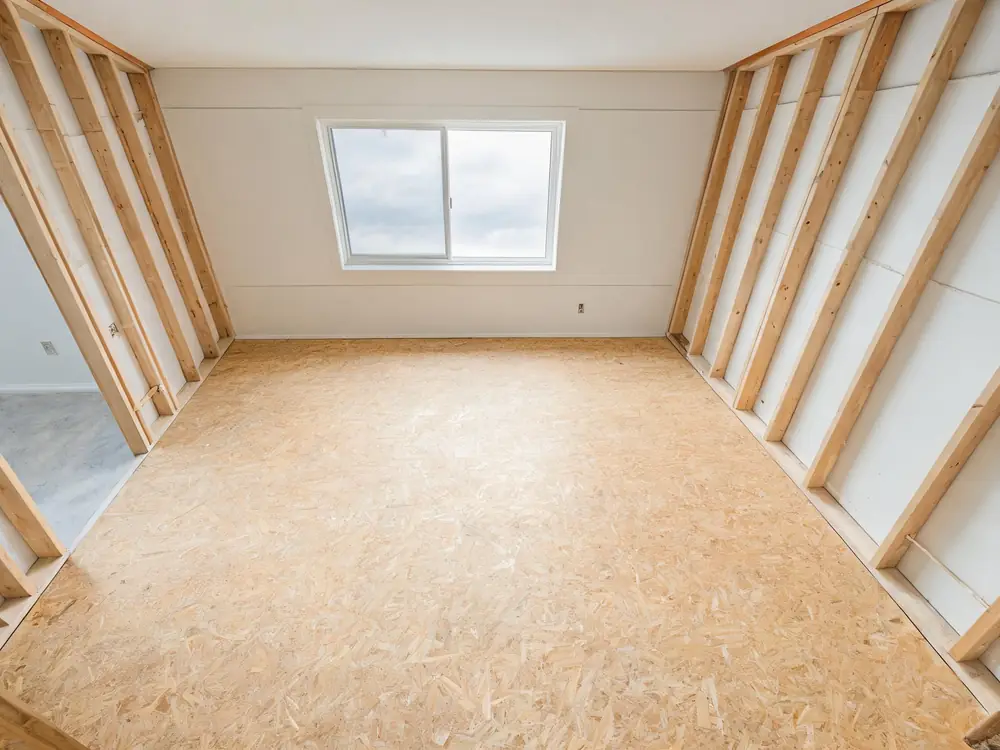
- Call or book online. We ask a few questions by phone so we bring the right tools. We're open 24 hours, so you can reach us after a storm or a late-night leak.
- Exterior check. Gutters, downspouts, grading, window wells, foundation cracks, and the roofline. In the historic district, we also note old mortar joints and porch roofs that tend to let water in.
- Interior survey. We work from the lowest level up, since water and humidity usually start in the basement or crawl space and move upward.
- Moisture mapping. Meter readings and thermal images mark exactly where materials are wet. Dry readings in a stained area tell us the leak may be old and resolved.
- Sampling (if needed). We take an outdoor air sample as a baseline, then indoor samples in the rooms of concern. Surface samples confirm whether a stain is mold, soot, or dirt.
- Lab analysis. Samples go to an independent accredited laboratory. Standard turnaround is usually a few business days, with rush options available.
- Report and walkthrough. We go over findings with you, show photos, and explain how to read mold test results so you understand what the numbers mean.
- Plan. If remediation is needed, we outline the scope using the IICRC S520 standard as our guide. If it isn't, we tell you that plainly and suggest moisture fixes you can handle yourself.
Mold Testing Methods Compared
No single test answers every question. The right method depends on what you're trying to learn. Our deeper guide on air vs. surface mold sampling walks through each one.
| Method | What it tells you | Best used for | Limits |
|---|---|---|---|
| Visual inspection | Where growth and water damage are visible | Every job; the foundation of any assessment | Can't see inside walls on its own |
| Moisture meters and thermal imaging | Where materials are wet right now | Finding hidden leaks and damp framing | Shows moisture, not mold itself |
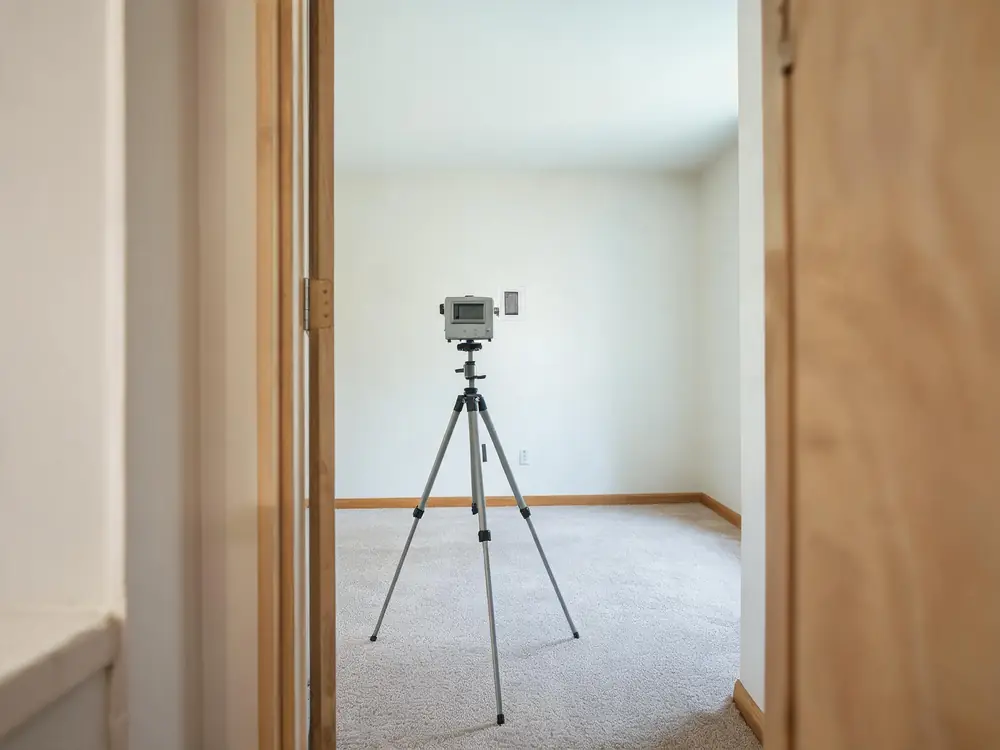
| Air sampling (spore trap) | Types and counts of airborne spores, compared to outdoor air | Musty odors, hidden growth, clearance testing | A snapshot in time; results vary with weather and activity |
| Tape lift | Whether a surface stain is mold, and what type | Identifying suspicious spots on walls, joists, or furniture | Only describes the spot sampled |
| Swab | Growth on rough or uneven surfaces | Wood, block, and textured materials | Same as tape lift |
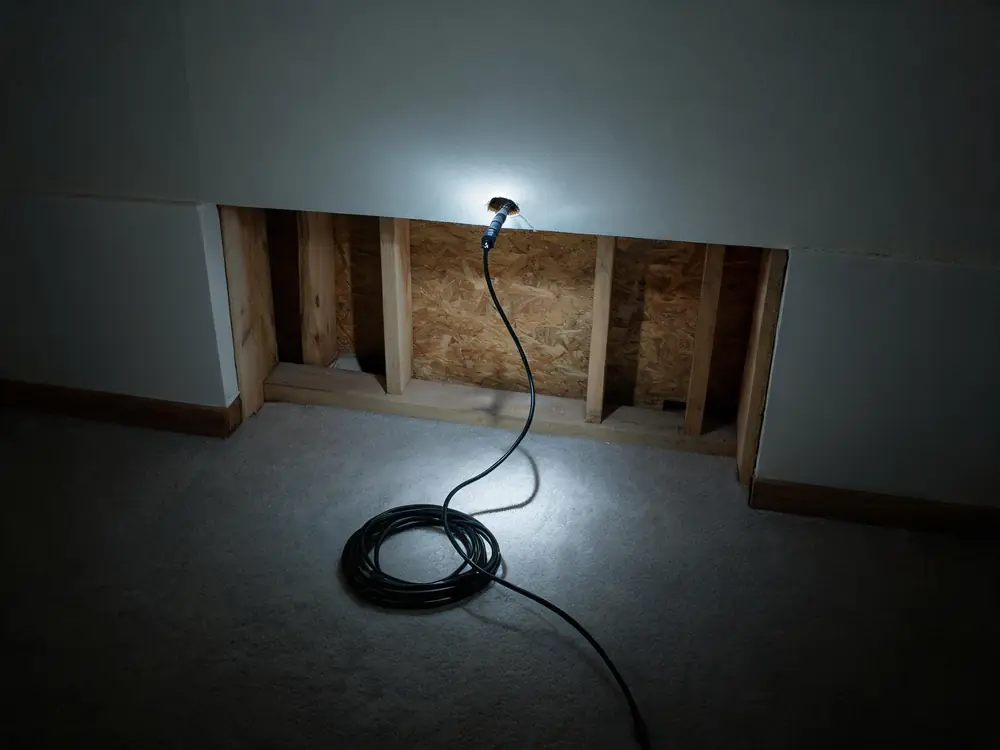
| Wall cavity sample | Spores inside a closed wall | Suspected hidden growth behind drywall or plaster | Requires a small hole; placement matters |
| Store-bought settle plate | That mold spores exist (they always do) | Not recommended for decisions | No baseline, no counts, frequent false alarms |
That last row matters. DIY mold test kits almost always grow something, because mold spores are in nearly all indoor and outdoor air. A positive plate doesn't mean you have a problem, and a negative one doesn't mean you're clear.
Post-Remediation Clearance Testing
After mold is removed, how do you know the job is finished? Post-remediation clearance testing answers that. It combines a visual check (no visible mold or dust in the work area), moisture readings (materials are dry), and air sampling inside containment compared to outdoor air.
We recommend independent clearance testing on every significant project, including ours. A third party with no stake in the outcome gives you, your insurer, and any future buyer a clean record. We'll coordinate with the tester you choose and schedule it before containment comes down.
What Affects the Price of an Inspection
Inspection pricing depends on the size of the home, how many areas need attention, and how many samples the lab runs. Nationally, cost guides such as Angi and HomeAdvisor put a professional mold inspection at roughly a few hundred dollars up to about $1,000 for larger homes with multiple samples. Our breakdown of mold testing cost covers the details. The main factors:
- Square footage and access. Tight crawl spaces and cramped attics take longer.
- Number of samples. Each air or surface sample carries its own lab fee, plus one outdoor baseline.
- Lab turnaround. Rush results cost more than standard.
- Purpose. A real estate inspection on a deadline or a clearance test has different needs than a single-room check.
If the inspection finds a problem, the next question is what repairs cost. Our page on mold remediation cost in Gettysburg shows typical local ranges: small areas under 10 square feet typically run $500 to $1,500, basements and crawl spaces typically run $1,500 to $6,000, and whole-home projects can reach $10,000 to $30,000 or more. Final pricing always comes after an inspection.
Mold Inspection in Gettysburg's Older Homes
Gettysburg is not a typical subdivision town. Much of the borough sits in the Gettysburg Historic District, where 1800s brick and frame houses stand on stone and fieldstone foundations. Those rubble walls were never built to be waterproof. They wick ground moisture, and many basements feel damp all summer.
Plaster walls behave differently than drywall. Plaster can stay firm while the wood lath behind it is wet, so we rely on meters and thermal imaging rather than touch. Old-growth lumber is dense and resists rot better than modern framing, but it still grows surface mold when humidity stays high.
The weather adds pressure. Gettysburg gets about 43 inches of precipitation a year, and July and August are humid. Late-summer storms have flooded the region before: Agnes in 1972, Ivan in 2004, and Lee in 2011. Freeze-thaw winters burst pipes in unheated spaces, and spring snowmelt pushes water toward foundations along Marsh Creek and Rock Creek. The National Weather Service in State College tracks these patterns for central Pennsylvania.
We also see many attics where a bathroom fan was vented into the attic instead of outside, which leaves moisture on the underside of the roof sheathing every winter. Near Gettysburg College, older houses rented to students often have closed-up rooms and little ventilation. For landlords and property managers, we offer commercial and rental mold remediation and can inspect units between tenants.
Why Gettysburg Homeowners Call Us for Mold Inspection
We find the water, not just the mold
Every inspection includes moisture mapping with meters and a thermal camera, plus humidity readings. Mold returns when the water source isn't fixed, so our reports point to the cause: a failed flashing, a sweating duct, a fan vented into the attic, or a wet fieldstone wall. You get photos and readings you can hand to a roofer, plumber, or HVAC contractor. That turns a vague worry into a specific repair list.
Testing only when it answers a question
We follow EPA guidance: if mold is visible, you usually don't need a lab to confirm it. We sample when the answer changes a decision, such as locating hidden growth, identifying a stain, documenting a home sale, or confirming clearance. Every sample goes to an independent accredited lab, and you receive the full lab report along with our plain-language explanation of what the numbers mean for your home.
Local, open 24 hours, built for old houses
We're based on Baltimore Street in downtown Gettysburg and answer the phone around the clock. We know how stone foundations, plaster walls, and closed-in crawl spaces under additions behave in a humid Adams County summer. When remediation is needed, we plan it around the IICRC S520 standard, with containment and HEPA air filtration, and we recommend independent clearance testing afterward.
What Happens After Your Inspection
Most reports land in one of three places:
- No mold problem. Readings are normal and any odor has another cause. We'll suggest moisture habits, like running a dehumidifier or fixing a gutter, to keep it that way.
- Small, contained growth. Under about 10 square feet, the EPA says many homeowners can clean it themselves if they fix the moisture and use proper protection. We'll tell you if that's a reasonable option.
- Remediation needed. Larger or hidden growth calls for containment, HEPA filtration, removal of damaged materials, and drying. We'll give you a written scope for mold remediation in Gettysburg, PA and an estimate you can compare with others.
For more background on moisture and mold, the EPA's Brief Guide to Mold, Moisture, and Your Home is a solid, free resource.
Book a Mold Inspection in Gettysburg
If something smells or looks wrong, don't wait for it to spread. Mold can begin growing on wet materials within 24 to 48 hours, and hidden moisture only gets more expensive with time. Call us at (717) 420-8919, any hour, or use the form on this page to schedule your mold inspection and testing. We'll ask a few questions, explain what we plan to check, and give you straight answers about your home.
Before and after
Mold Inspection and Testing in Gettysburg: Before and After
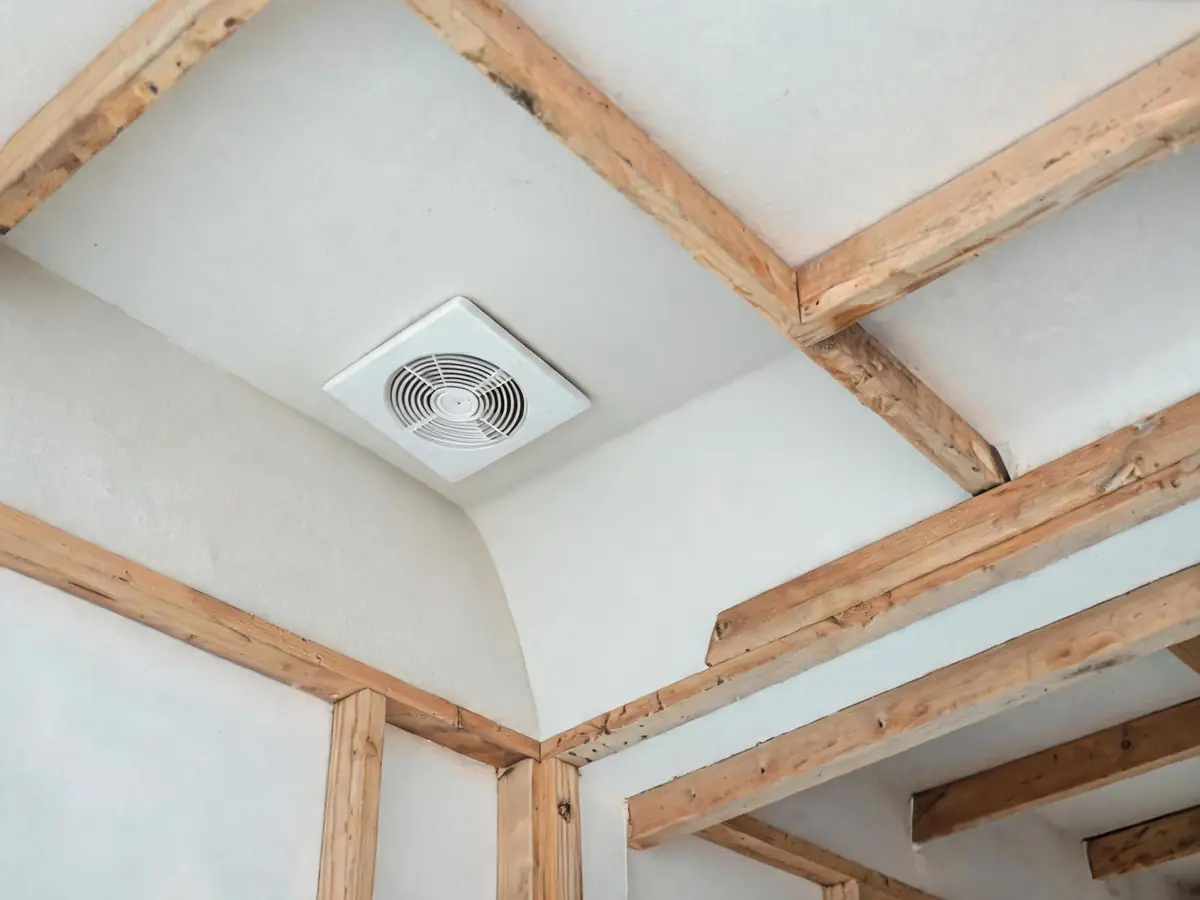
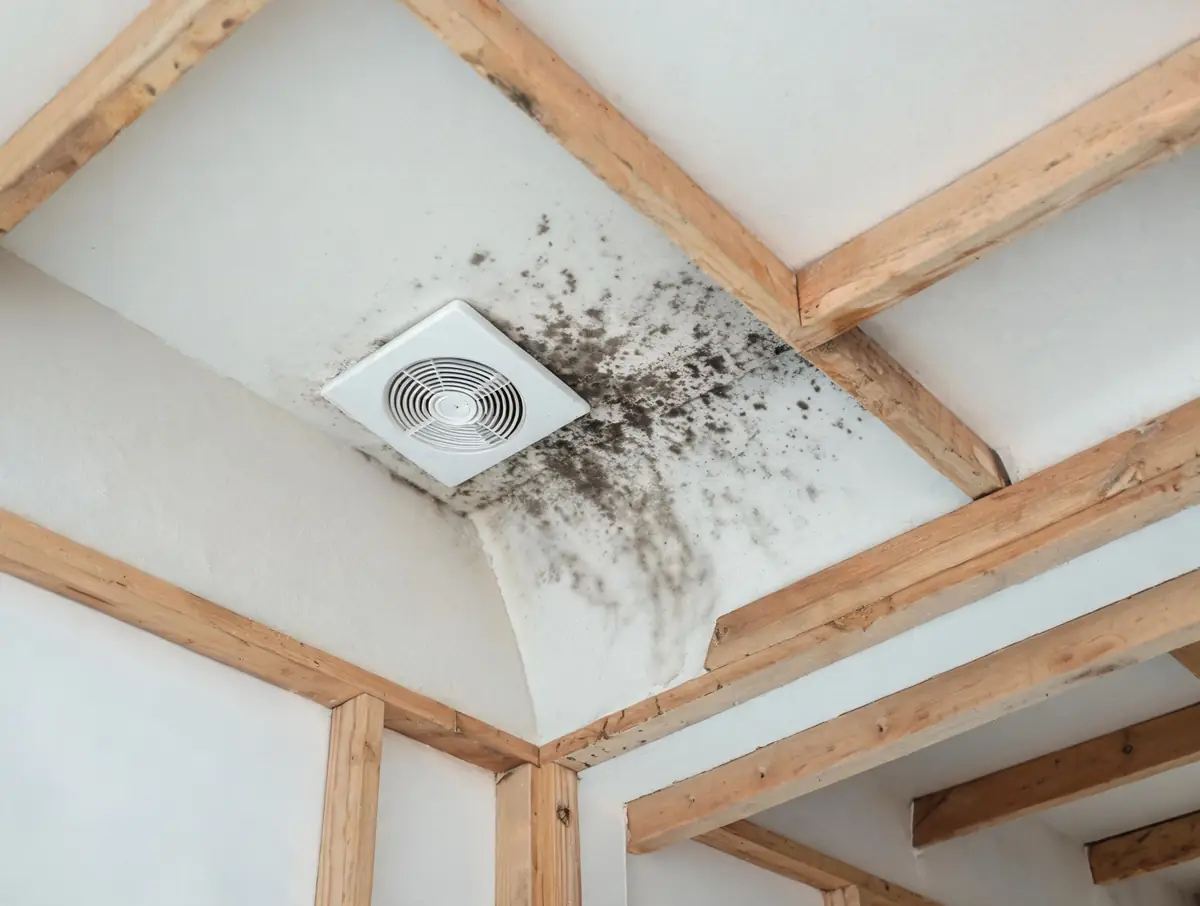 BeforeAfter
Drag the handle to compare. Every property is different — we scope yours on site.
Mold Inspection and Testing FAQs
How much does a mold inspection cost in Gettysburg?
Most residential inspections cost a few hundred dollars, and larger homes with several lab samples can approach $1,000, based on national cost guides. Price depends on home size, access, and the number of samples. We give you a quote before we start. See our mold testing cost guide for a full breakdown. See what mold testing costs in Gettysburg.
Do I need mold testing if I can already see mold?
Usually not. The EPA says that when mold is visible, sampling is often unnecessary to decide to remove it. An inspection is still useful to find the moisture source and to see how far the damage extends behind walls or under floors. More on mold inspection vs. mold testing.
How long does a mold inspection take?
A typical home inspection takes about two to three hours on site. Lab results for air or surface samples usually come back in a few business days, and rush processing is available when you're on a real estate deadline. See how inspectors actually find the moisture.
Is there a safe level of mold spores indoors?
There is no federal standard for safe indoor spore levels. Inspectors compare indoor samples to an outdoor baseline taken the same day. Indoor counts well above outdoor levels, or indoor types that don't appear outside, point to an indoor source. If you have health concerns, talk with your doctor. More on how to read mold test results.
Does Pennsylvania require mold inspectors to be licensed?
No. Pennsylvania has no state license for mold inspection or remediation. Ask any inspector how they find moisture, which lab they use, and whether you get the full lab report. We recommend independent clearance testing after any significant remediation job. See which mold certifications actually mean something.
Can you inspect a house I'm buying before closing?
Yes. We schedule around your inspection contingency period and can request rush lab processing. Our report includes photos, moisture readings, and a plain-language summary you can share with your agent. For negotiation or disclosure questions, talk with your agent or a real estate attorney. More on mold inspections before buying a home.
Other Mold Services in Gettysburg
Black mold removal in Gettysburg, PA starts with finding the water that feeds the mold, then sealing off the area so spores stay put while we remove what's growing. If you've found dark, slimy patches on drywall, wood, or ceiling tiles, you don't need to panic, but you shouldn't wait either. We're open 24 hours at (717) 420-8919, and we'll tell you plainly what you're dealing with and what it will take to fix.
Black Mold Removal
Basement mold remediation in Gettysburg, PA starts with one fact: most homes here sit on old stone, damp clay soil and a water table that rises every spring, so the space below your floor is the most likely place in the house for mold to grow. We remove mold from basements and crawl spaces, fix the moisture that fed it, and set the space up to stay dry through humid Adams County summers. We're open 24 hours at (717) 420-8919.
Basement & Crawl Space Mold Remediation
Attic mold remediation in Gettysburg, PA starts with one question: where is the moisture coming from? We remove mold from roof sheathing, rafters and trusses, fix the ventilation or venting problem that fed it, and treat the wood so the attic stays dry and clean. We're open 24 hours at (717) 420-8919.
Attic Mold Remediation
Water damage mold restoration in Gettysburg, PA starts the moment water gets where it should not be, because the clock on mold growth is already running. We dry the structure, find hidden moisture, remove anything that has started to grow mold, and put your home back on a path to normal. We are open 24 hours at (717) 420-8919 for leaks, floods and burst pipes.
Water Damage & Mold Restoration
Air duct mold removal in Gettysburg, PA works best when the whole HVAC system is treated as one unit: the ductwork, the evaporator coil, the drain pan, the blower and the air handler cabinet. We clean each part, fix the moisture that let mold grow and verify the results, and we're open 24 hours at (717) 420-8919.
HVAC and Air Duct Mold Remediation
Commercial mold remediation in Gettysburg, PA has to fit around tenants, guests, closing dates and business hours, and that is how we plan every job. We work with landlords, property managers, business owners, home sellers and caretakers of historic buildings in Gettysburg, the Adams County seat, and we are open 24 hours when a leak or a failed inspection cannot wait.
Commercial, Rental and Real Estate Mold Remediation
Mold remediation cost in Gettysburg, PA typically runs $500 to $1,500 for a small area under 10 square feet, $1,500 to $6,000 for a basement or crawl space, and $10,000 to $30,000 or more for a whole home. This page breaks down what those numbers include, what pushes a job up or down, how homeowners insurance treats mold, and how to read an estimate so you only pay for work you need.
Mold Remediation Cost
Our mold remediation process follows the IICRC S520 standard step by step, from the first inspection to independent clearance testing and rebuild, so mold in your Gettysburg home is removed at the source and the moisture that fed it is fixed. Here is what happens on a job, what it costs, and how to keep mold away.
Our Mold Remediation Process
Need Mold Inspection and Testing in Gettysburg?
We answer 24 hours a day. Free, no-obligation estimate after an on-site look.