
Mold guide
Mold in Stone Foundation Basements: A Guide for Historic Gettysburg Homes
Mold in a stone foundation basement is common in Gettysburg because fieldstone and rubble walls pull ground moisture through the stone and mortar and release it into the basement air. The stone itself rarely grows much mold, but the damp air, wood framing and stored items around it do. The fix is to clean carefully and manage water, not to seal the wall shut.

By Dale Hoffman, Remediation Lead
Published
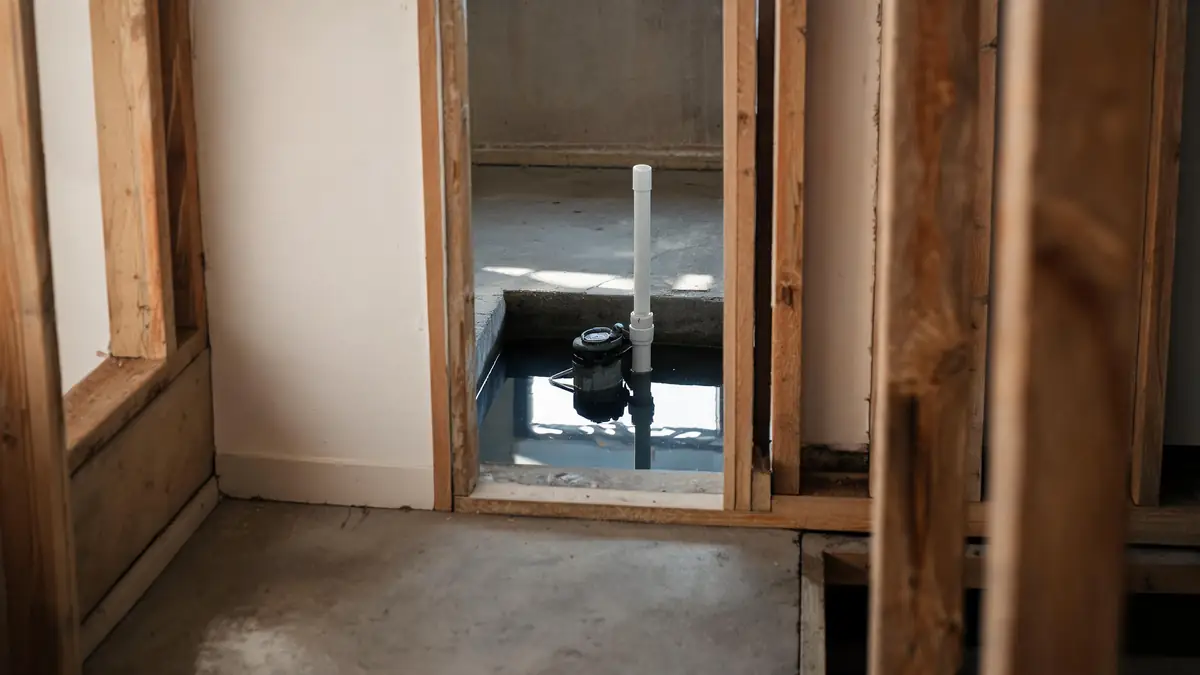
Why Stone Foundations Hold So Much Moisture
Much of Gettysburg's housing stock dates to the 1800s. Homes in the Gettysburg Historic District, from Baltimore Street to the side streets off Lincoln Square, often sit on foundations of local fieldstone or rubble stone laid in lime mortar. Builders of that era did not use footing drains, dampproofing or vapor barriers.
These walls work like a sponge with gaps. Here is what happens:
If this is happening in your own home, our cleanup team can walk the property first.
- Capillary wicking. Wet soil against the outside of the wall pushes moisture into the stone and mortar joints. It travels inward and evaporates on the basement side.
- Soft, porous mortar. Lime mortar is designed to be softer and more porous than the stone. It lets water out, which protects the stone, but that water ends up in your basement air.
- Voids and gaps. Rubble walls have irregular joints and hollow spots. During heavy rain or spring snowmelt, water can seep straight through.
- Dirt or thin slab floors. Many old basements have a dirt floor or a thin concrete pour added later, with no vapor barrier underneath.
Gettysburg's weather adds to this. The area averages about 43 inches of precipitation a year, and the water table rises in spring. In July and August, warm humid air enters the basement and condenses on the cool stone, adding even more moisture.
Where Mold Actually Grows in a Stone Basement
Stone and mortar are not good food for mold. Mold needs organic material. What grows on the wall is usually a thin film feeding on dust, cobwebs and soil. The real damage tends to happen nearby:
- Sill plates and joist ends that rest on or in the stone wall. Wood touching damp masonry stays wet.
- Floor joists and subfloor overhead, especially near the outside walls where humidity is highest.
- Wood shelving, stair stringers and old partitions built against the stone.
- Stored cardboard, books, furniture and fabrics, which are among the first things to grow mold in a damp basement.
- Drywall or paneling installed against the stone in a finished space, often with no air gap.
If you see white, crusty or fuzzy deposits on the stone, don't panic yet. That is often efflorescence, mineral salt left behind as water evaporates. Our guide on efflorescence vs. mold shows how to tell them apart in a minute with a spray bottle.
Signs of a Mold Problem Behind a Stone Wall
Watch for these warning signs in an older Gettysburg basement:
- A musty smell that gets stronger after rain or during humid summer weeks
- Dark staining or fuzzy growth on joists near the walls
- Crumbling or sandy mortar joints, which signal steady water movement
- Damp or dark soil at the base of the wall
- Rust on metal shelving, tools or the water heater base
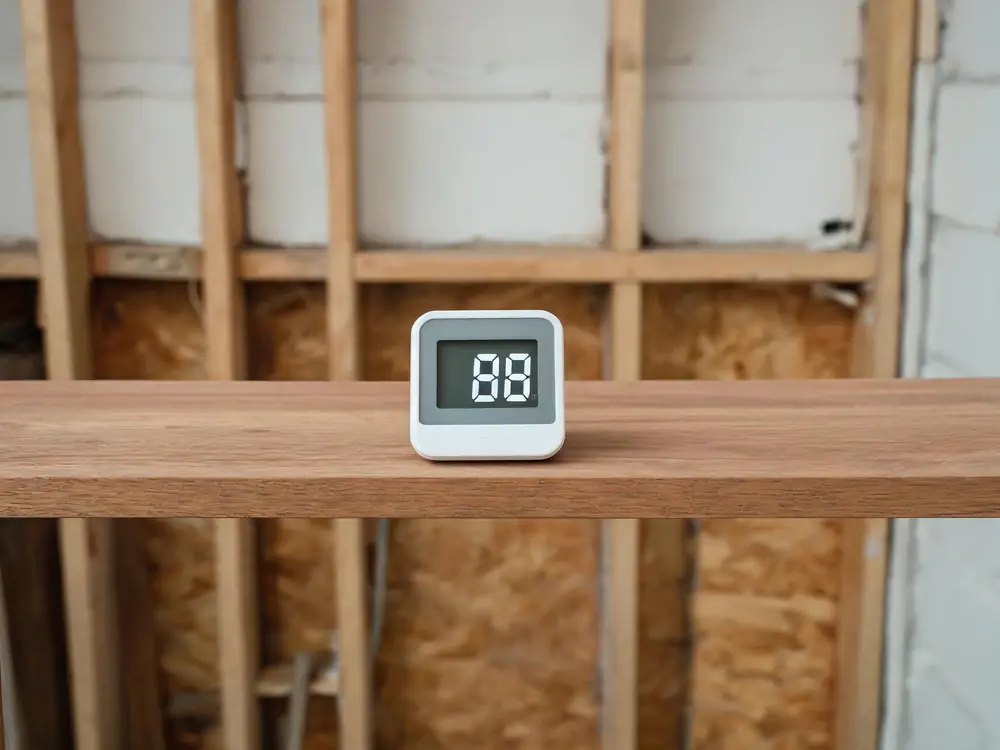
- A hygrometer reading above 60% relative humidity
The EPA recommends keeping indoor relative humidity below 60%, ideally 30% to 50%. Many untreated stone basements in Gettysburg sit at 65% to 80% in summer, which is well within the range where mold thrives.
How to Remediate Mold Without Harming Historic Walls
Historic stone foundations need a gentler hand than modern block or poured concrete. The wrong cleaning or sealing method can damage soft mortar and cause bigger problems later. Here is how we approach it.
1. Contain and protect
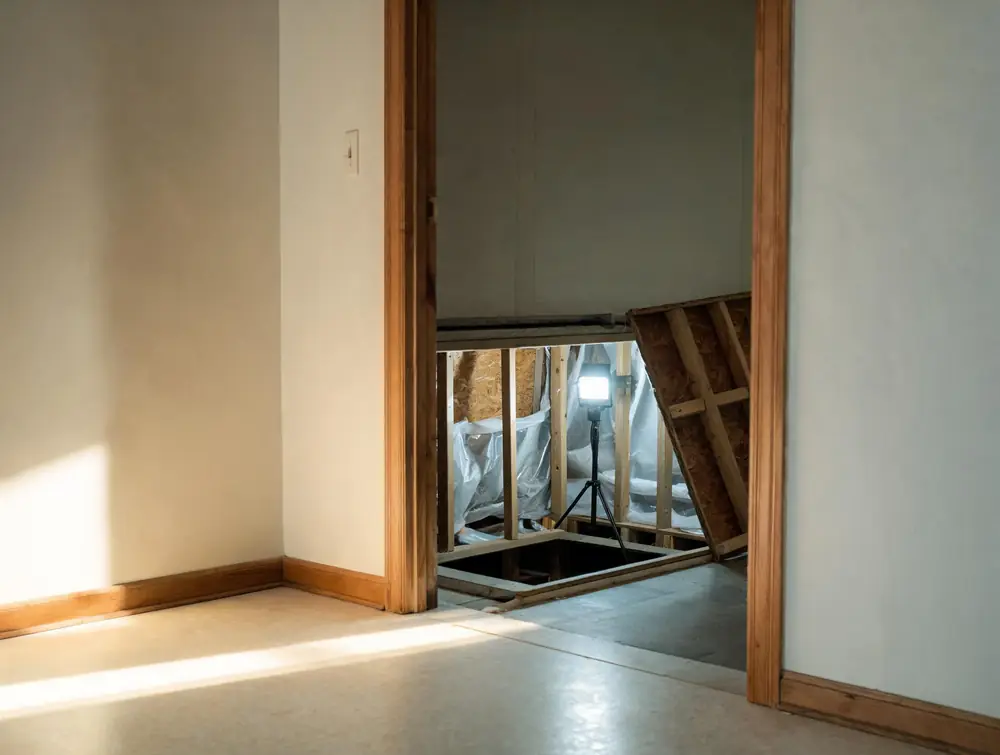
We set up plastic containment and negative air pressure with HEPA filtration so spores stay in the basement. This matters in old homes where floor boards have gaps and air moves freely between floors.
2. Remove damaged porous materials
Moldy cardboard, carpet, drywall, fiberglass insulation and badly damaged wood are bagged and removed. Stored belongings are sorted: hard items can often be cleaned, while moldy paper and soft goods usually can't.
3. Clean the wood framing
Joists, sills and subfloor are HEPA vacuumed, then scrubbed or media blasted depending on how heavy the growth is. Old-growth lumber in these homes is dense and strong, so surface growth usually cleans off without replacing the wood.
4. Clean the stone gently
For the masonry, we use HEPA vacuuming and soft to medium brushing with a mild detergent solution. We avoid high-pressure washing and harsh abrasive blasting, which can erode lime mortar joints. Acidic cleaners are also a poor choice on some stone and mortar.
5. Dry and control humidity
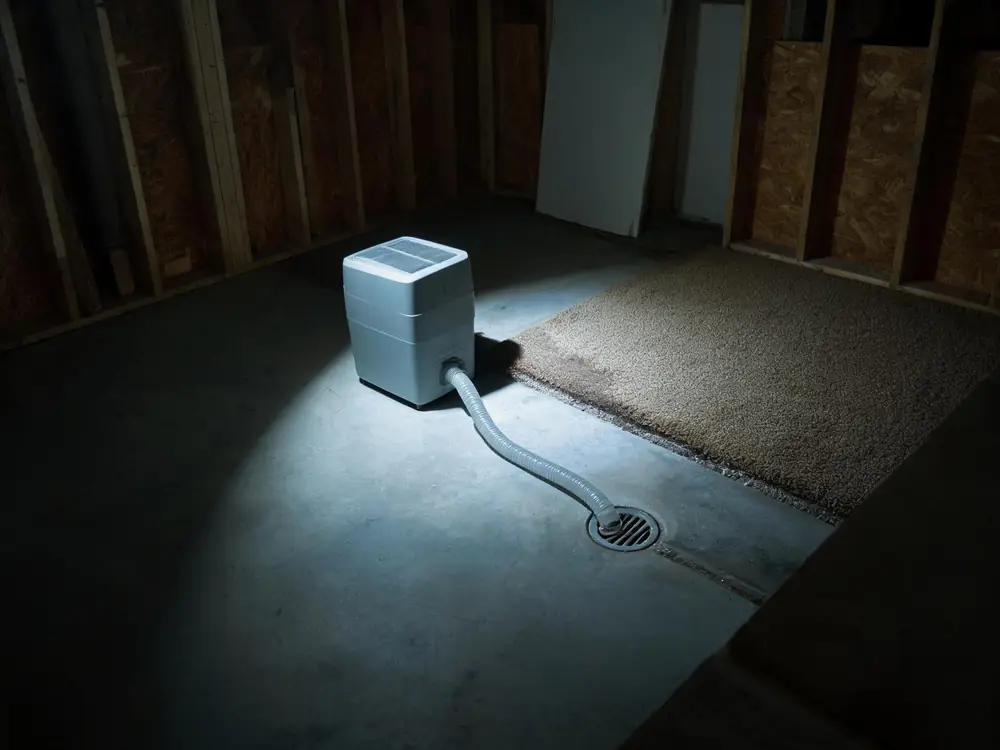
Dehumidifiers bring the space down to a safe range, and we set a long-term target. Drying is not a one-time event with stone walls. They will keep releasing moisture, so a properly sized dehumidifier with a drain line is usually part of the permanent fix.
6. Verify
We recommend independent clearance testing before you put anything back into the basement.
What Not to Do to a Stone Foundation
These are common mistakes with historic foundations:
| Common fix | Why it causes trouble on old stone | Better approach |
|---|---|---|
| Cement parging over the inside wall | Traps moisture in the stone and lime mortar, which can crumble mortar and push water to the joists | Leave the wall able to breathe; manage humidity |
| Waterproof paint or sealer | Peels and blisters as moisture pushes through; can hold water in the wall | Breathable limewash if a finish is wanted |
| Hard Portland cement repointing | Harder than the stone, so the stone takes the damage instead of the mortar | Repoint with a compatible lime mortar |
| Spraying bleach on everything | Doesn't remove growth or fix moisture; adds water | Physical removal, then humidity control |
| Drywall or foam board tight against the stone | Creates a hidden damp cavity where mold grows unseen | Leave stone exposed or use a ventilated air gap |
Fixing the Water Source Outside
The best thing you can do for a stone foundation is keep water away from it. Most improvements are simple:
- Clean gutters and extend downspouts at least 4 to 6 feet from the foundation.
- Regrade soil so it slopes away from the house.
- Remove plant beds and mulch piled against the wall.
- Check that window wells drain and have covers.
- Add or repair a sump pump if the basement takes on water in spring.
If your home is in the Gettysburg Historic District and the work changes a street-facing exterior, such as new visible downspouts or regrading a front yard, check with the Borough about Historic Architectural Review Board (HARB) review before you start. The Borough of Gettysburg can point you to the right contact. For owners of historic buildings, the EPA's guide to mold and moisture is a useful general reference.
Can You Finish a Stone Foundation Basement?
You can, but it takes care. Any finished wall should stand off the stone with an air gap, use moisture-tolerant materials, and have a way for the stone side to dry. A dehumidifier is not optional. Many Gettysburg homeowners decide to keep the stone exposed and clean, which shows off the historic wall and makes moisture easy to see.
If you plan to finish, fix the moisture first and let the space run below 60% humidity for a full summer before you build. For more on historic properties in general, see our article on mold remediation in historic buildings.
When to Call a Professional
Call a professional if mold covers more than about 10 square feet (the EPA's rough line for a larger job), if it is on joists, sills or subfloor, if the basement floods, or if anyone in the home has asthma, allergies or a weakened immune system. Talk to your doctor about any health concerns.
We handle basement and crawl space mold remediation across Gettysburg, with methods suited to old stone foundations. Call (717) 420-8919, 24 hours a day, to schedule an inspection.
For how this is handled on site, see basement and crawl space mold remediation.
Related guides
- What Basement Humidity Level Prevents Mold?
- Basement Mold Remediation Cost in Gettysburg, PA (2026)
- Crawl Space Encapsulation vs. Vapor Barrier: Which Stops Mold Better?
- Crawl Space Mold Remediation Cost: What Gettysburg Homeowners Should Expect
- Efflorescence vs. Mold on Basement Walls: How to Tell the Difference
- Mold in a Finished Basement: Carpet, Drywall and Paneling
- Mold on Floor Joists and Subfloor: Causes, Risks and Fixes
- Sump Pump Failure and Basement Mold: What to Do Next