Mold guide
How Fast Does Mold Grow After Water Damage?
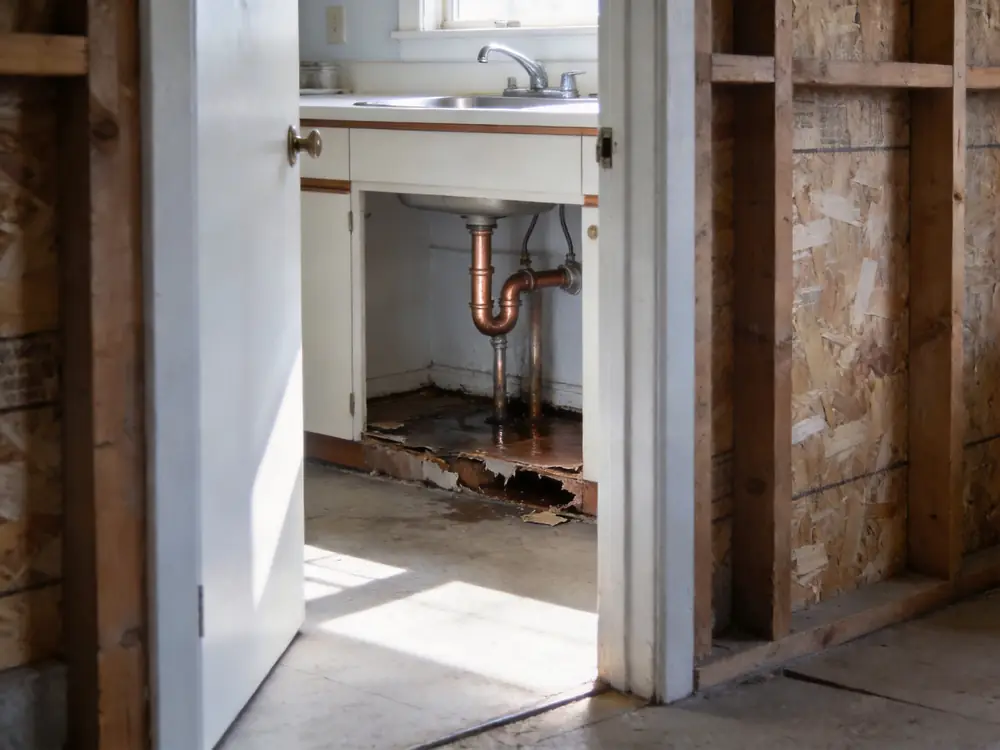
How fast does mold grow after water damage? Faster than most Gettysburg homeowners expect: mold can begin growing within 24 to 48 hours on materials that stay wet, and it often becomes visible within one to three weeks.

By Curtis Bowman, Water and HVAC Restoration Lead
Published
The Mold Growth Timeline After a Leak or Flood
Mold spores are already present in nearly every home and in outdoor air. They sit dormant until they land on something damp that they can feed on, such as drywall paper, wood, dust, carpet backing or cardboard. Water damage gives them all three things they need: moisture, food and a surface.
Local conditions and pricing are covered by local mold remediation in Gettysburg, PA.
| Time since water event | What is usually happening |
|---|---|
| 0 to 24 hours | Materials absorb water. Drywall wicks upward, wood swells, humidity in the room climbs. No growth yet, and this is the best window to dry. |
| 24 to 48 hours | Spores on wet surfaces can germinate. The EPA uses this window as the point where porous materials may need to be removed if not dried. |
| 3 to 7 days | Colonies expand, often on the back of drywall, under carpet pad and inside wall cavities. A musty smell may start. |
| 1 to 3 weeks | Growth often becomes visible as spots or fuzzy patches. Staining spreads and odor gets stronger. |
| Beyond 3 weeks | Mold can spread through cavities and into framing. Cleanup usually requires containment and removal of materials. |
These are typical ranges, not fixed rules. A small, cool, quickly dried spill may never grow mold. A warm, closed-up basement after a storm can show growth on day three.
What Speeds Up Mold Growth
Several conditions push mold toward the fast end of the timeline:
- Warmth: Most household molds grow best between about 60 and 80 degrees Fahrenheit, which is normal indoor temperature.
- High humidity: The EPA recommends keeping indoor relative humidity below 60 percent, ideally between 30 and 50 percent. Humid July and August air in Gettysburg keeps wet materials from drying on their own.
- Porous, paper-faced materials: Drywall, ceiling tile, cardboard and carpet backing hold water and provide easy food.
- Poor air movement: Closets, wall cavities, crawl spaces and areas behind furniture stay damp longest.
- Dirty or contaminated water: Flood water carries organic material that feeds growth. Our guide to mold after flooding covers why flood cleanups are handled differently.
Why Mold Is Often Hidden at First
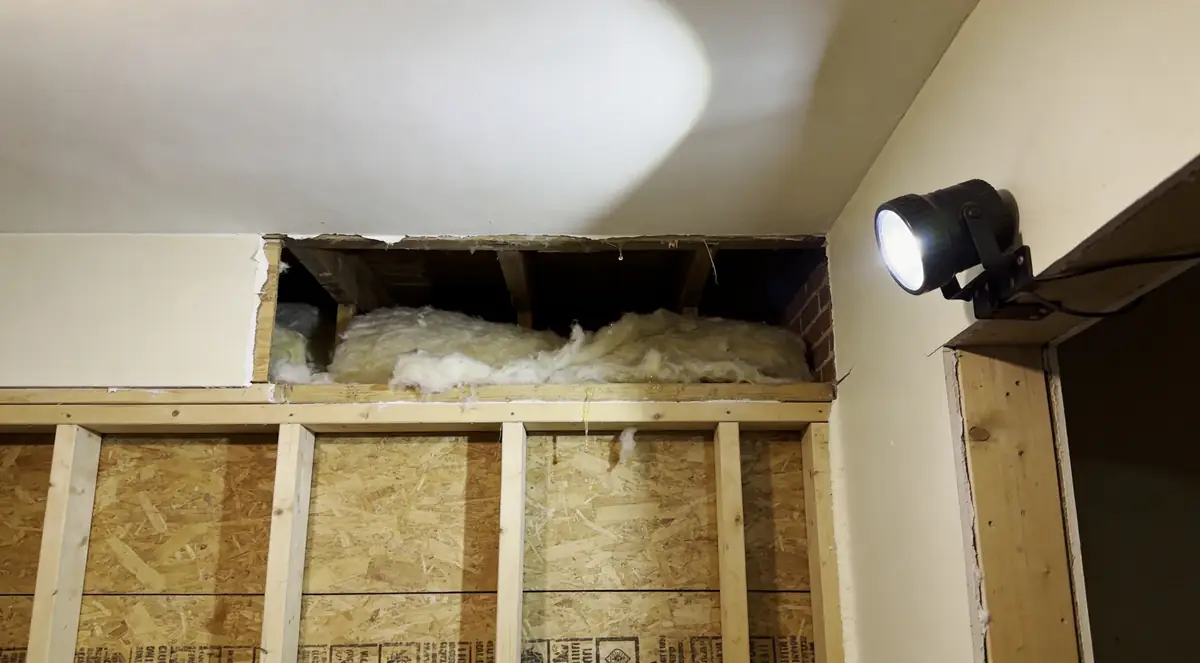
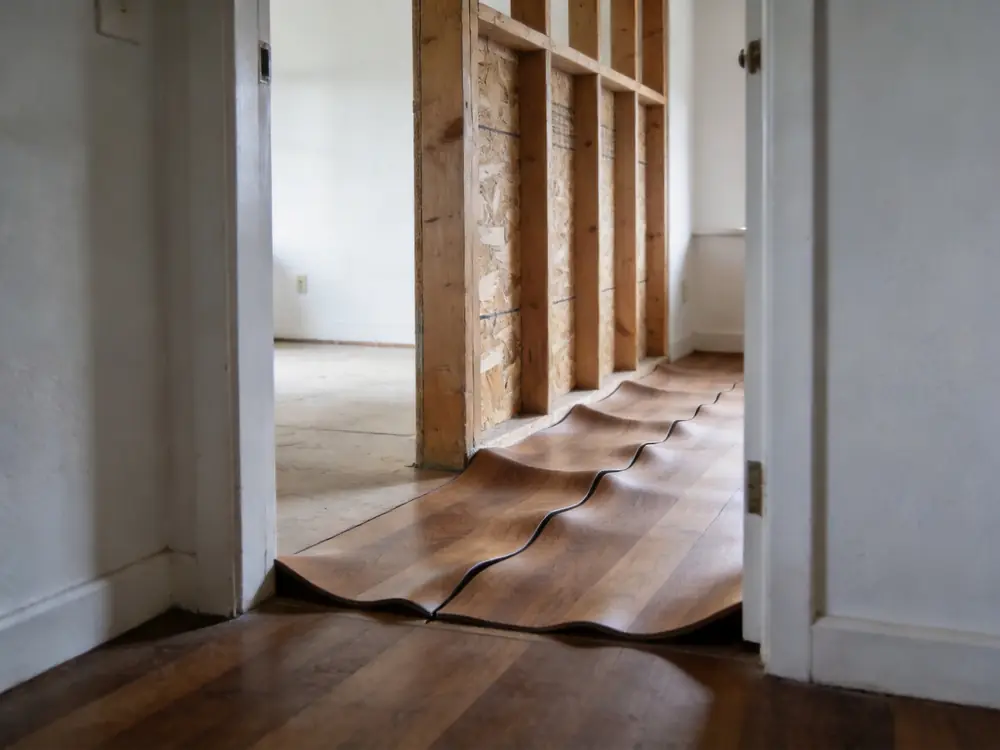
Water moves down and sideways. It runs inside wall cavities, spreads under vinyl and laminate flooring, and soaks into the back of baseboard and cabinets. Those spots dry slowest, so that is where mold starts. By the time spots show up on the painted face of a wall, growth behind it can be much larger.
This is why a surface that looks dry is not proof that a space is dry. Plaster walls, common in older Gettysburg homes, can hold moisture for a long time after the surface feels normal. A moisture meter gives a far better answer than touch.
What to Do in the First 24 to 48 Hours
- Stop the source. Shut off the water main or the fixture valve. If the water came from outside, note where it entered.
- Stay safe. Turn off power to wet areas if you can do so safely. Do not walk through standing water near outlets.
- Document it. Take photos and video before moving anything. Your insurer will likely ask.
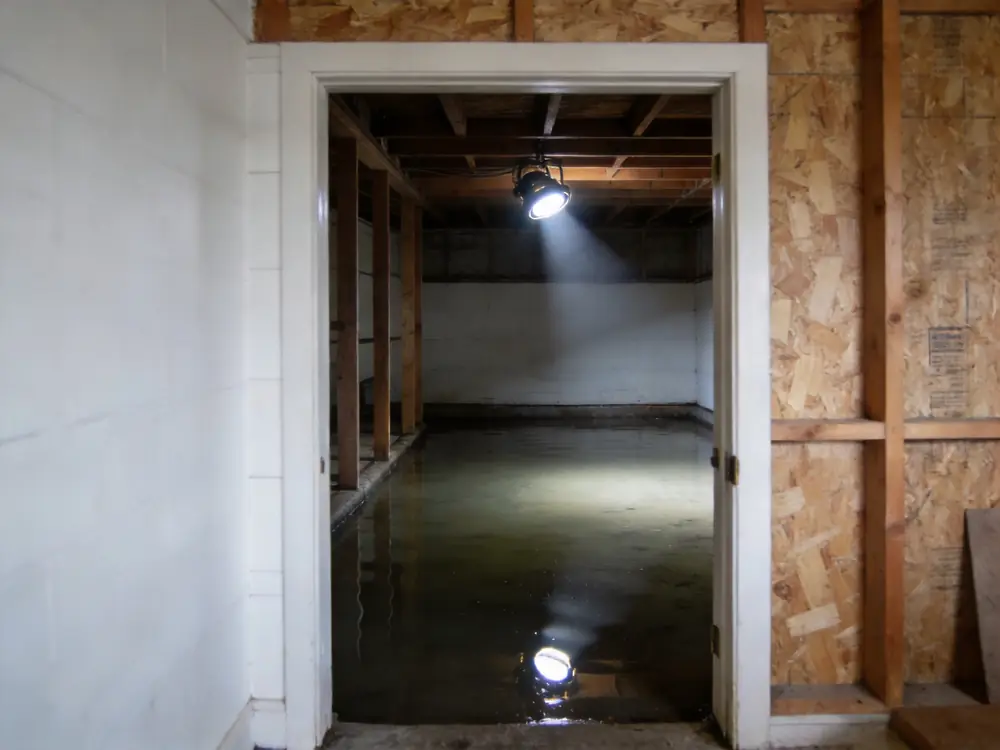
- Remove water. Mop, wet vac or pump out standing water.
- Move belongings. Pull rugs, boxes and furniture out of the wet area. Put aluminum foil or blocks under furniture legs you cannot move.
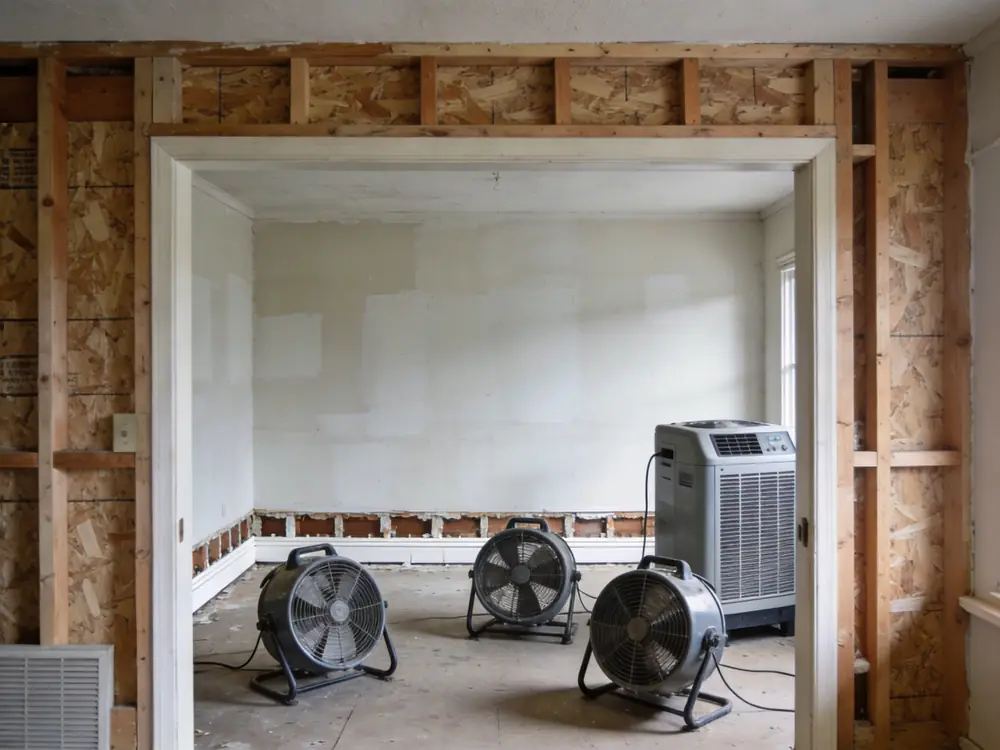
- Dry the air. Run dehumidifiers and fans, and keep windows closed on humid days so you are not pulling in moist outdoor air.
- Get readings. If water went into walls, under floors or into a ceiling, have moisture measured rather than guessing.
Key takeaway: the goal is to get wet materials dry before day two. Anything porous that stays wet longer should be evaluated for removal.
Can You Stop Mold Once It Has Started?
Yes, but the approach changes. Once mold is growing, drying alone stops further growth but does not remove the mold that is already there. Dead or dormant mold can still release allergens, according to the EPA. Moldy porous materials like drywall and insulation are usually cut out and replaced. Hard surfaces like studs and concrete can be cleaned.
The EPA suggests that areas larger than about 10 square feet deserve extra caution, and many homeowners bring in a professional at that point. If you have health concerns, talk with your doctor. The CDC's mold and health page explains who is most sensitive to mold exposure.
When to Call a Professional
Call for help if water sat longer than 48 hours, soaked into walls, ceilings or under flooring, came from flood water or sewage, or if you already see or smell mold. Our water damage and mold restoration team in Gettysburg is open 24 hours at (717) 420-8919. We map moisture, dry the structure and remove any growth using containment and HEPA filtration. You can also read the EPA's brief guide to mold and moisture for more background.
This one comes up on more than one kind of job: black mold removal in Gettysburg and water damage and mold restoration.