
Mold guide
Burst Pipe Mold: Preventing Mold After a Winter Freeze
Mold after a burst pipe is a common winter problem in Gettysburg, where freeze-thaw cycles split supply lines in crawl spaces, porches and exterior walls, and the leak often runs unnoticed until the thaw.

By Curtis Bowman, Water and HVAC Restoration Lead
Published
Why Burst Pipes Cause Mold
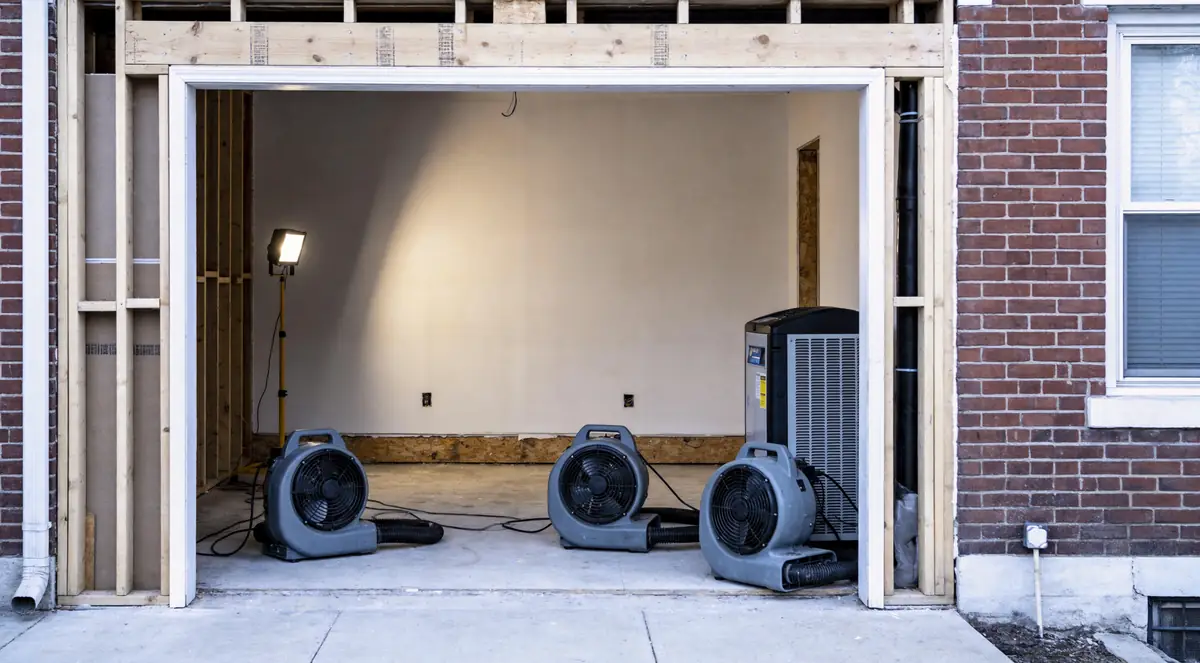
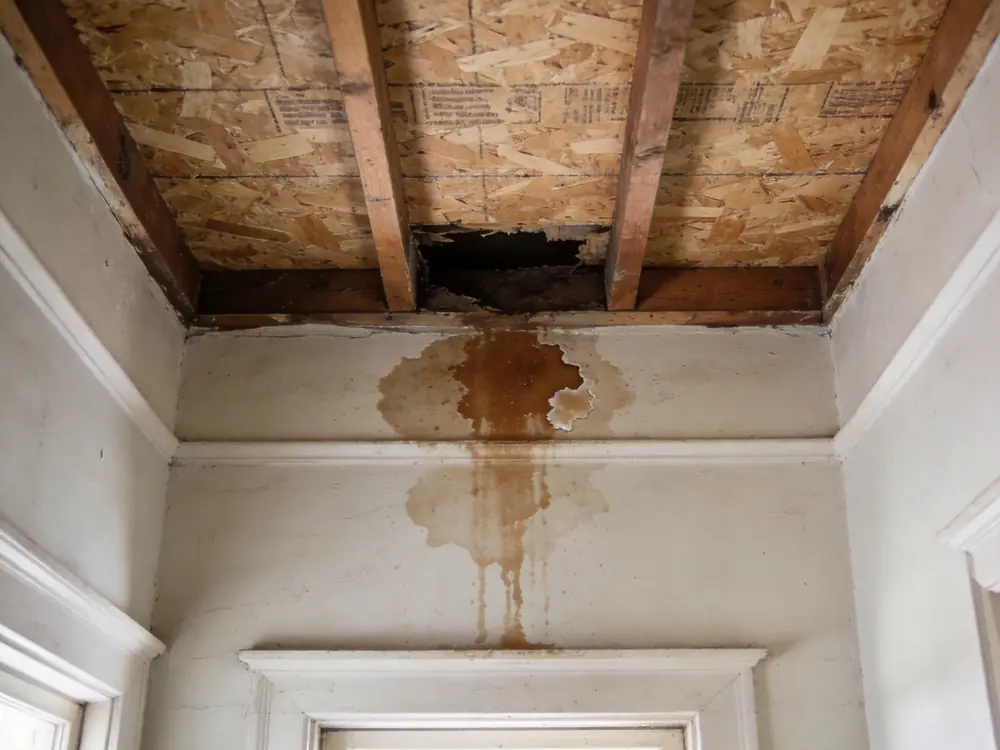
A burst supply line puts out clean water under pressure, and a lot of it. A half-inch line can release hundreds of gallons in a few hours. That water soaks insulation, runs down inside wall cavities, spreads under flooring and drips through ceilings. Because a broken pipe is usually inside a wall, floor or crawl space, the wettest areas are the ones you cannot see.
This is routine work for our restoration team.
The water itself is clean, which is good news. Clean water caught early can often be dried in place. The problem is time. Pipes often freeze overnight and split, but the leak does not start until the ice thaws, sometimes when nobody is home. By the time someone notices, water may have been running for hours or days.
Where Pipes Freeze in Gettysburg Homes
Central Pennsylvania winters bring repeated hard freezes followed by warm spells. Pipes most at risk are the ones exposed to cold air:
- Supply lines in crawl spaces under additions, sunrooms and porches.
- Pipes in exterior walls, especially on the north side of a house.
- Kitchen sink lines in cabinets against outside walls.
- Outdoor hose bibs that were not shut off and drained.
- Pipes in unheated garages, attics or basements with open rim joists.
- Second-floor bathroom lines in older homes with little wall insulation.
Many older homes around the Gettysburg Historic District were plumbed long after they were built, so pipes sometimes run through spaces that were never meant to be heated.
What to Do Right After a Pipe Bursts
- Shut off the main water valve. Know where it is before winter. It is often in the basement near the front foundation wall.
- Turn off power to wet areas if water is near outlets, fixtures or the electrical panel.
- Open faucets to drain the lines and relieve pressure.
- Photograph the damage and the broken pipe for your insurer.
- Remove standing water with towels, a mop or a wet vac.
- Pull back wet rugs and move belongings away from the wet area.
- Call a plumber for the repair and get drying started the same day.
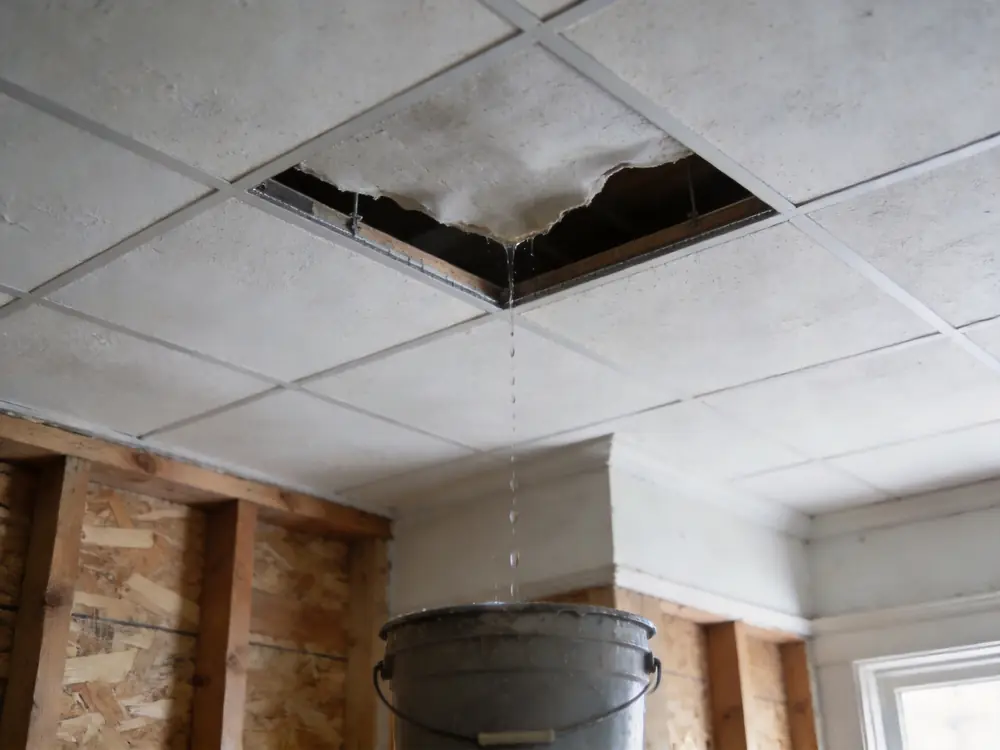
Tip: if a ceiling is bulging with water, do not stand under it. Poke a small hole at the lowest point with a screwdriver over a bucket to let water out safely.
Drying Walls, Ceilings and Floors After a Burst Pipe
Surface drying is not enough after a pipe break. Here is what usually needs to happen:
| Area | Common approach |
|---|---|
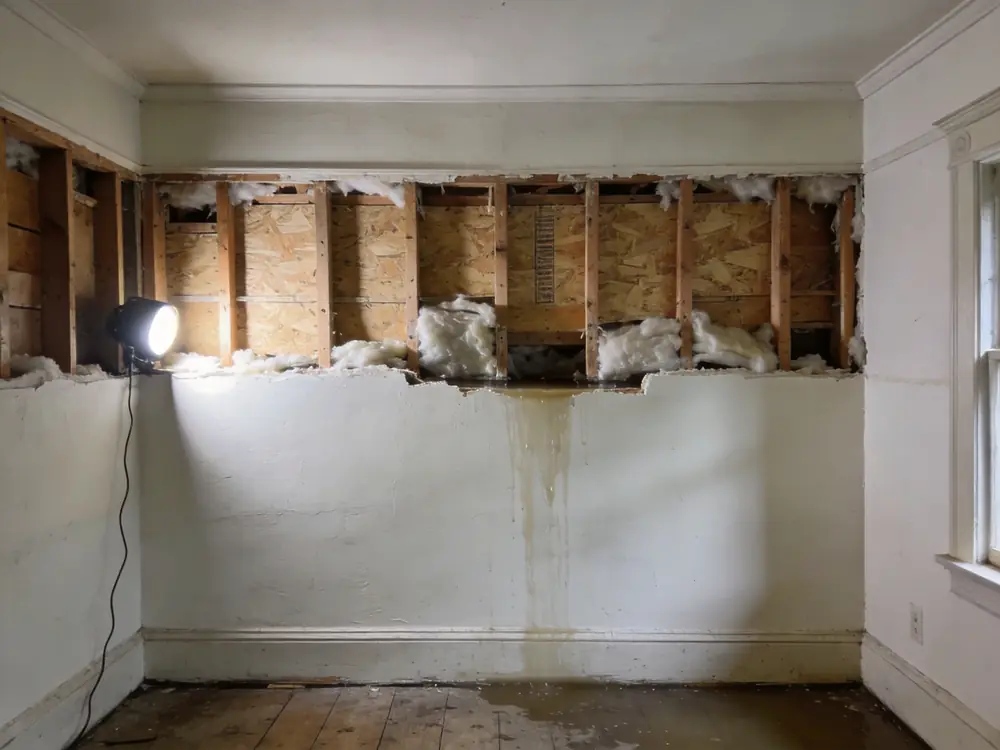
| Drywall walls | Remove baseboard, drill small holes or cut a flood cut to vent the cavity, then dry with air movers. Remove wet insulation. |
| Plaster walls | Dry slowly with dehumidifiers. Plaster holds water longer than drywall, so readings matter. |
| Ceilings | Remove saturated drywall and wet insulation above. Dry framing from below. |
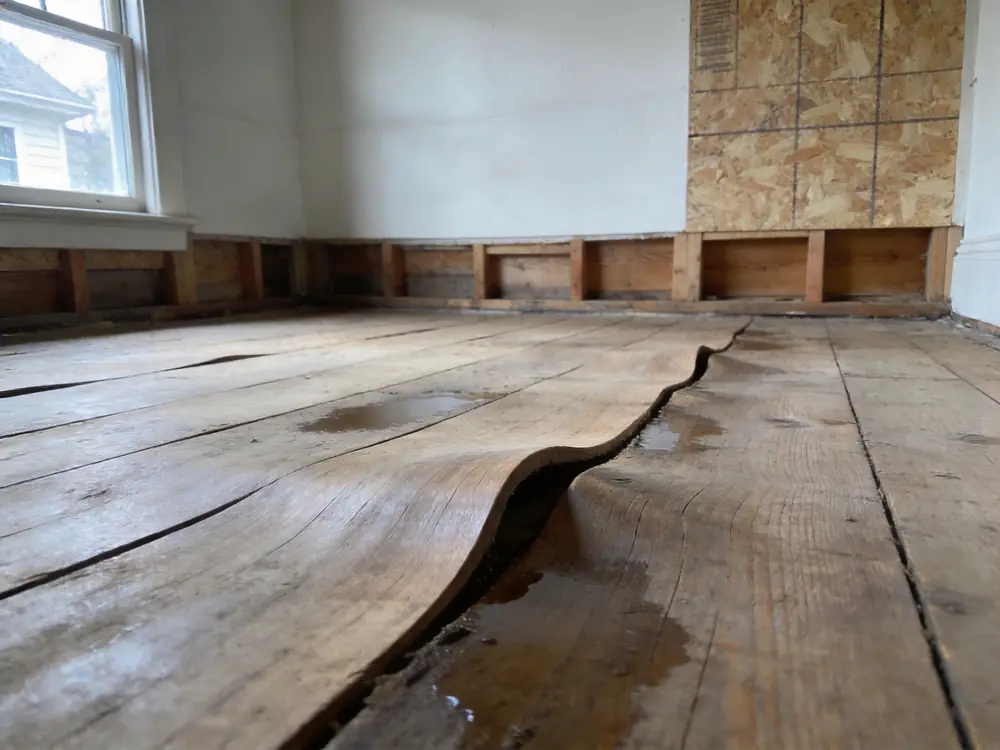
| Hardwood floors | Dry from above and below. Some cupping may reverse as boards dry. |
| Carpet and pad | Pad is often replaced. Carpet can sometimes be dried if the water was clean and caught quickly. |
| Subfloor and joists | Dry from the crawl space or basement side. Confirm with a moisture meter. |
Keep indoor humidity below 60 percent during drying, as the EPA recommends. Winter air is dry outside, but a wet house can hold a surprising amount of moisture indoors.
Signs Mold Is Starting After a Pipe Leak
- A musty smell in the room or closet near the break.
- Stains that keep spreading on drywall or ceilings after the pipe is fixed.
- Paint bubbles or soft spots in walls.
- Dark spots at the bottom of drywall or on the back of cabinets.
Pipe leaks in bathrooms deserve extra attention, since those rooms already run humid. Our guide to bathroom mold removal explains how to handle mold in showers, walls and ceilings.
Insurance After a Burst Pipe
Many homeowners policies treat a sudden pipe burst as a covered event, while mold from long-term or repeated leaks is often excluded or capped. Some policies also require that you kept the home reasonably heated. For more detail, see our article on does homeowners insurance cover mold. This is general information only, so check your policy and talk with your insurer. The Pennsylvania Insurance Department also has consumer guides.
How to Prevent Frozen Pipes Next Winter
- Insulate pipes in crawl spaces, garages and exterior walls.
- Seal gaps at rim joists and foundation vents that let cold air blow on pipes.
- Shut off and drain outdoor hose bibs in the fall.
- Keep the heat at 55 degrees or higher when you are away.
- Open sink cabinets on exterior walls during cold snaps and let a faucet drip.
When to Call a Professional
Call for help if water ran into walls, ceilings or under flooring, if more than a small area got wet, if the leak went unnoticed for more than a day, or if you already see or smell mold. Our water damage and mold restoration team in Gettysburg is open 24 hours at (717) 420-8919. We map hidden moisture, dry the structure and handle any mold remediation using containment and HEPA filtration, following the IICRC standards.
This sits inside a bigger picture, covered in How Fast Does Mold Grow After Water Damage?.