
Mold guide
Bathroom Mold Removal: Shower, Grout, Ceiling and Walls
Bathroom mold removal is either a quick cleaning job or a real remediation project, and the difference comes down to how big the growth is and whether it has soaked into the drywall, subfloor or framing. Here is how Gettysburg homeowners can tell which one they have.

By Dale Hoffman, Remediation Lead
Published
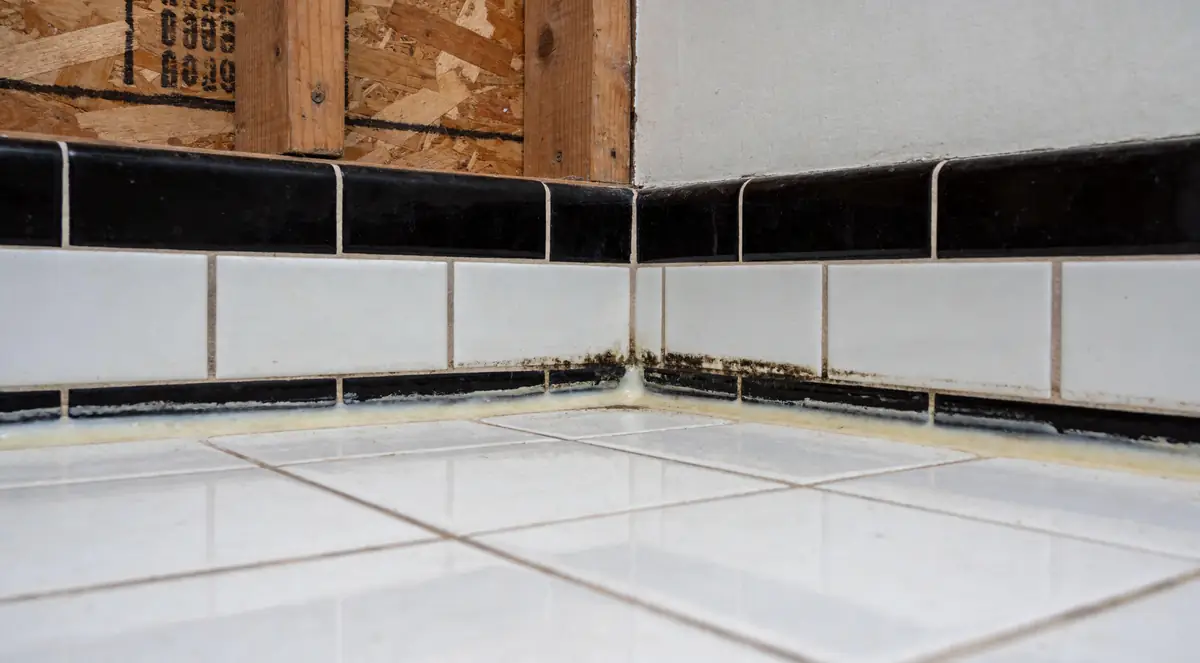
Why Bathrooms Grow Mold
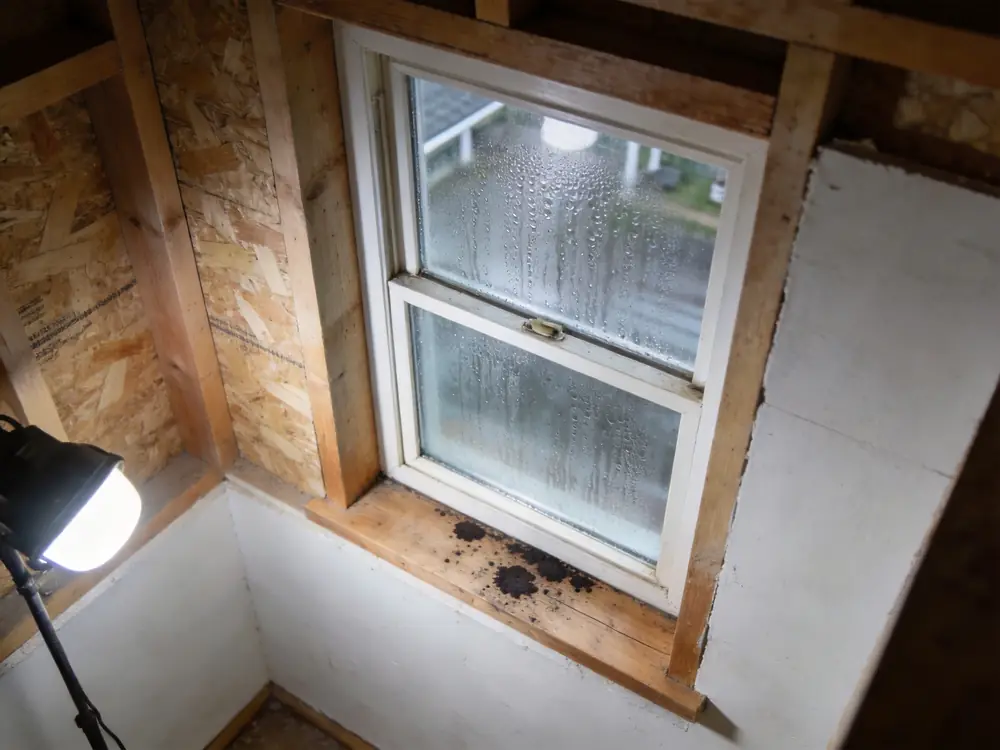
A 10-minute hot shower can push indoor humidity close to 100 percent. The EPA recommends keeping indoor humidity below 60 percent, ideally 30 to 50 percent. If a bathroom stays above that for hours after every shower, mold finds plenty of chances to grow on grout, caulk, ceiling paint and the back of the door.
Anyone unsure how far it has spread can have our Gettysburg mold remediation team take a look.
Common causes we see in Gettysburg homes include:
- No exhaust fan, or a fan too small for the room.
- Fans that vent into the attic instead of outside, which is common in older homes and can start attic mold too.
- Failed caulk or grout that lets water behind the tile.
- Slow leaks at the toilet wax ring, supply line or shower valve.
- Cold exterior walls and ceilings where steam condenses, especially in winter.
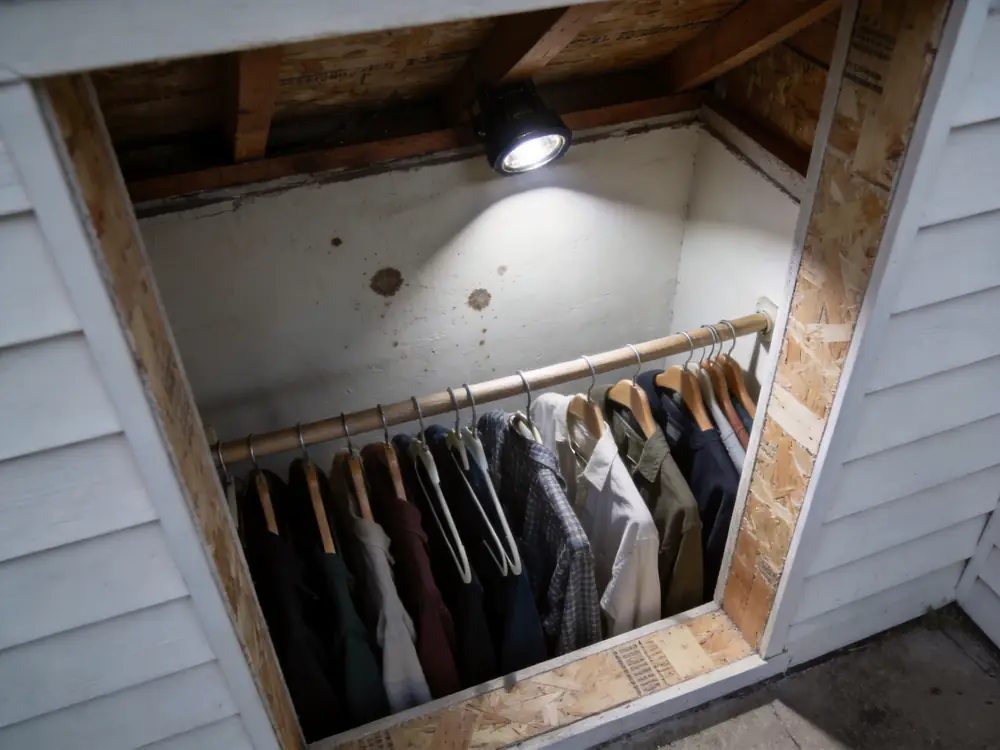
Cleaning Job or Remediation Job?
| What you see | Likely scope | What to do |
|---|---|---|
| Black spots in grout lines or on caulk | Surface cleaning | Scrub grout. Cut out and replace moldy caulk. |
| Small spots on painted ceiling over the shower | Surface cleaning | Clean, let dry, fix ventilation, repaint with bathroom-rated paint. |
| Spots that return within weeks after cleaning | Possible hidden moisture | Check humidity, fan airflow and for leaks. |
| Loose tiles, soft wall behind shower, cracked grout | Water behind tile | Open the wall to inspect. Remove wet backer board. |
| Soft floor near toilet or tub, stained ceiling below | Leak into subfloor | Repair leak, inspect and remove damaged subfloor. |
| Growth over about 10 square feet or on drywall paper | Remediation | Containment and removal of affected materials. |
The EPA uses 10 square feet as a rough line. Below it, most homeowners can handle cleanup themselves. Above it, the EPA suggests following its remediation guidance or bringing in a professional.
How to Clean Small Areas of Bathroom Mold
- Ventilate. Open a window and run the fan.
- Protect yourself. Wear gloves, goggles and an N95 respirator.
- Scrub with detergent and water. Use a stiff brush on grout and a sponge on tile and painted surfaces.
- Remove failed caulk. Cleaning rarely gets mold out of silicone. Cut it out, clean the joint, let it dry fully, then recaulk with a mildew-resistant product.
- Dry everything. Wipe down and leave the fan on for at least 20 to 30 minutes.
- Seal grout once it is clean and dry to slow water absorption.
Never mix bleach with ammonia or other cleaners. The fumes are dangerous. The EPA does not recommend bleach as a routine mold treatment.
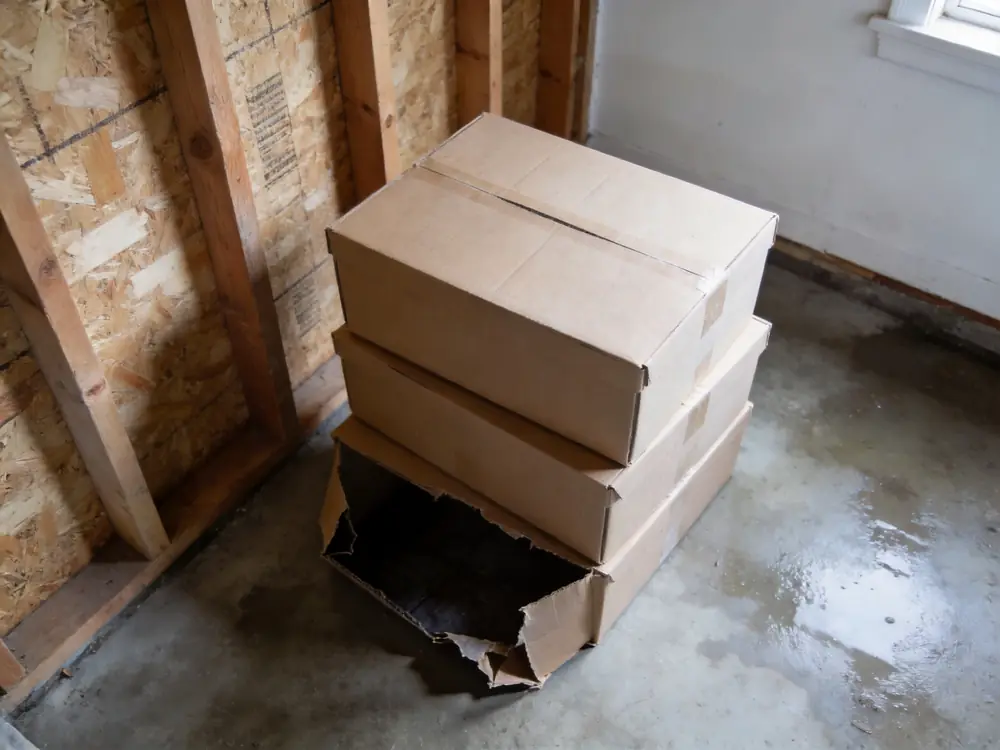
When Mold Is Behind the Tile or Under the Floor
Grout is not waterproof. Over years, water gets through cracked grout and failed caulk into the wall behind the shower. In older homes, that wall may be drywall or plaster rather than cement board. Signs include loose tiles, grout that keeps cracking, a hollow sound when you tap and a musty smell that does not clear.
Leaks under tubs and toilets can soak the subfloor for months before a stain shows on the ceiling below. The same thing happens under kitchen cabinets, which we cover in our guide to mold under the kitchen sink.
Remediation for hidden bathroom mold usually means:
- Setting up containment so dust and spores stay in the bathroom.
- Running HEPA air filtration under negative pressure.
- Removing wet or moldy drywall, backer board, insulation or subfloor.
- HEPA vacuuming and cleaning the framing, then drying to normal moisture levels.
- Fixing the leak or waterproofing problem before rebuilding.
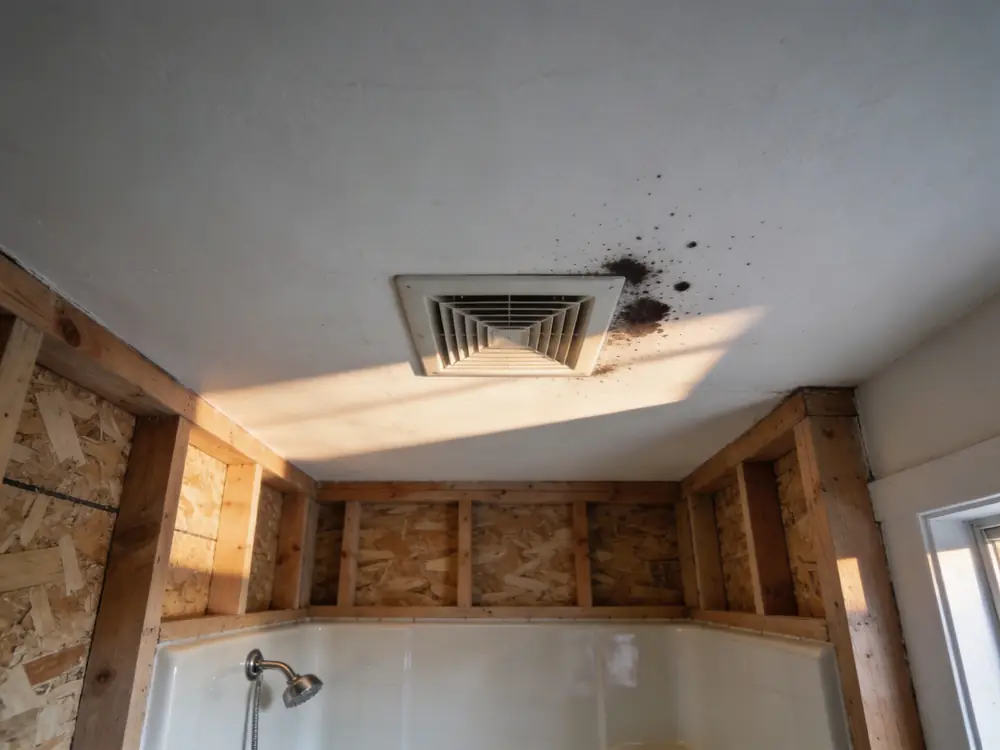
Fixing Ventilation So Mold Stays Gone
Cleaning without fixing airflow only buys a few weeks. The most useful upgrades are:
- Right-size the fan. A common rule of thumb is at least 1 CFM per square foot of floor area, with 50 CFM as a minimum for small rooms. ENERGY STAR lists quiet, efficient models.
- Vent it outside. Route the duct through the roof or wall, not into the attic.
- Use a timer or humidity switch so the fan runs long enough after showers.
- Leave the door open after bathing when you can.
- Squeegee walls and hang towels to dry outside the shower.
What Bathroom Mold Removal Costs
Surface cleaning costs little more than supplies. Professional work on a small area typically falls around $500 to $1,500 in the Gettysburg area, and jobs that involve opening walls or replacing subfloor can run higher. Final pricing depends on an inspection. See our full breakdown of bathroom mold removal cost for details.
When to Call a Professional
Call for help if the mold covers more than about 10 square feet, keeps coming back after cleaning, sits behind tile or under flooring, or follows a leak. Also call if anyone in the home has asthma or a weakened immune system, and talk with your doctor about health concerns. Our water damage and mold restoration team in Gettysburg is open 24 hours at (717) 420-8919, and we follow the IICRC S520 standard for mold remediation. The EPA's mold and moisture guide is also a useful reference.
This sits inside a bigger picture, covered in What Permanently Kills Mold? (And What Doesn't).