
Mold guide
Mold After Flooding in Gettysburg: A Cleanup Guide
Mold after a flood is one of the most common problems Gettysburg homeowners face, because heavy rain, snowmelt and tropical storm remnants push water into basements and crawl spaces that then stay damp for days.

By Curtis Bowman, Water and HVAC Restoration Lead
Published
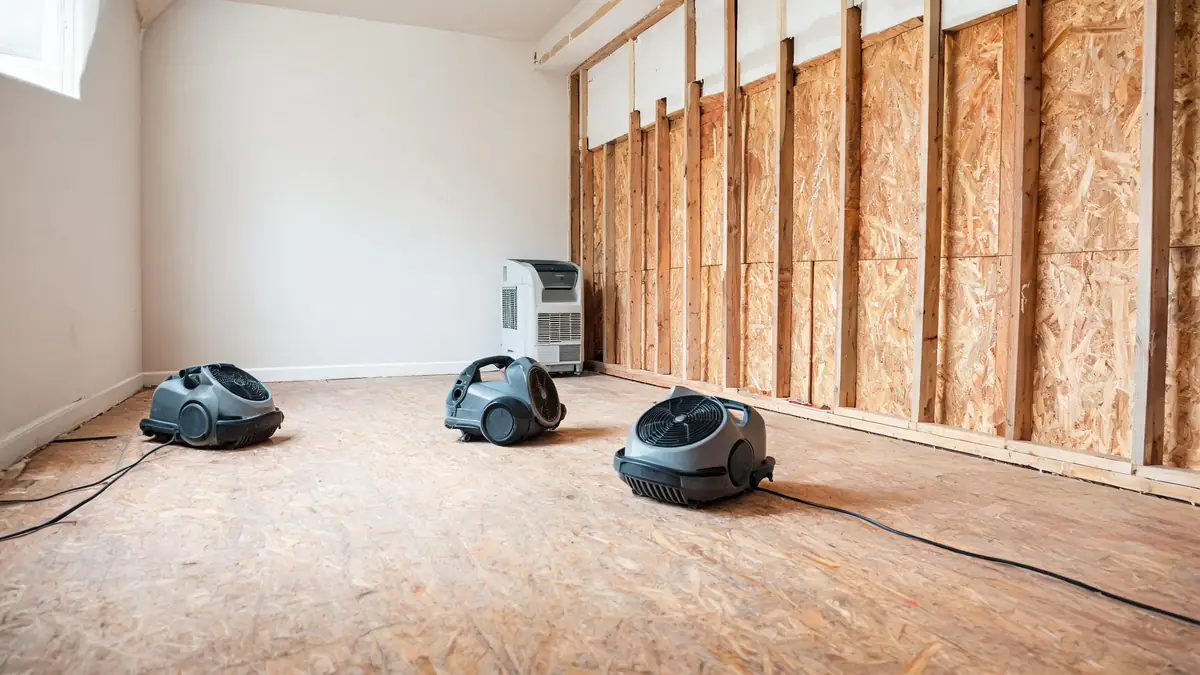
Why Floods Lead to Mold So Quickly
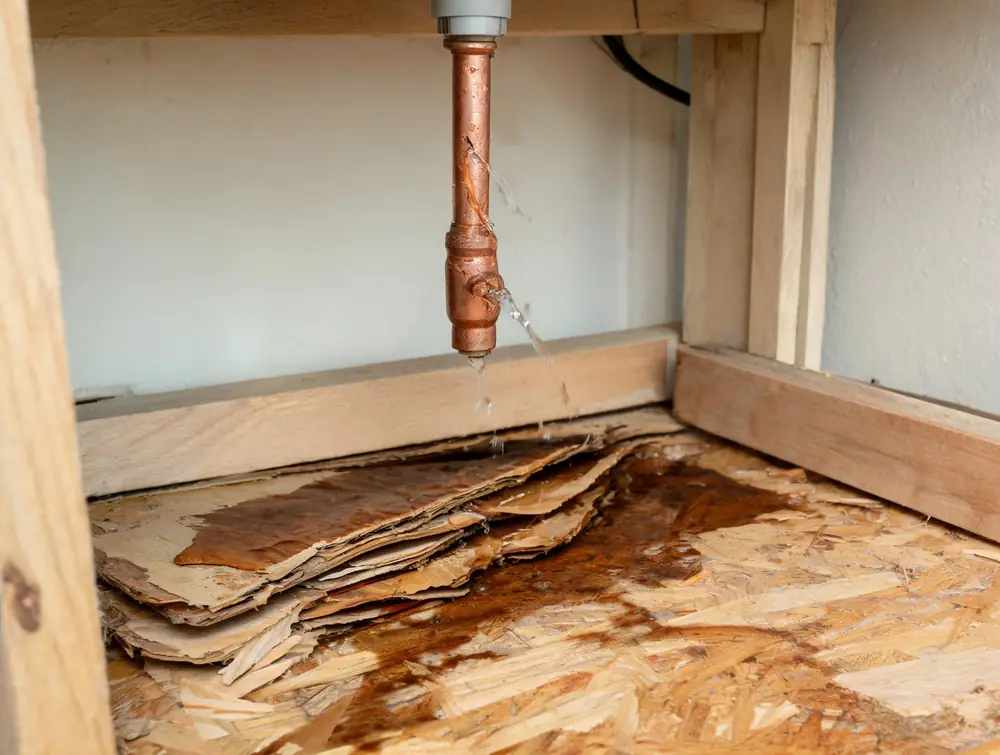
Flood water is different from a clean pipe leak. It carries soil, organic debris and sometimes sewage, which gives mold extra food. It also soaks large areas at once, including the bottom of drywall, carpet, insulation, furniture and stored boxes. Once the water drains, those materials stay wet, and in a humid basement they can stay wet for weeks without help.
Gettysburg gets about 43 inches of precipitation a year. The biggest flood risks come in spring, when snowmelt saturates the ground, and in late summer and fall, when tropical storm remnants stall over central Pennsylvania. Agnes in 1972, Ivan in 2004 and Lee in 2011 all flooded the region, and homes near Marsh Creek and Rock Creek or with older stone foundations tend to take on water first.
If this is happening in your own home, the team here can walk the property first.
First Steps After Water Comes In
- Put safety first. Do not enter a flooded basement until power to that area is off. Watch for gas smells and structural damage.
- Document everything. Photograph the water level on the walls, damaged items and the entry point before cleanup.
- Call your insurer. Standard homeowners policies usually exclude flood water, but you may have flood coverage or a sump backup endorsement. Ask them what they need from you.
- Remove the water. Pump out standing water, then wet vac what is left. If groundwater is still high outside, pump in stages so the foundation walls are not stressed.
- Get air moving and dry. Run dehumidifiers and fans. Keep windows closed on humid days.
- Remove wet porous materials. Start pulling carpet, pad and soaked boxes out within the first day or two.
Wear protection during cleanup: an N95 respirator, gloves and eye protection. Flood water can carry bacteria as well as mold.
What to Keep and What to Throw Out
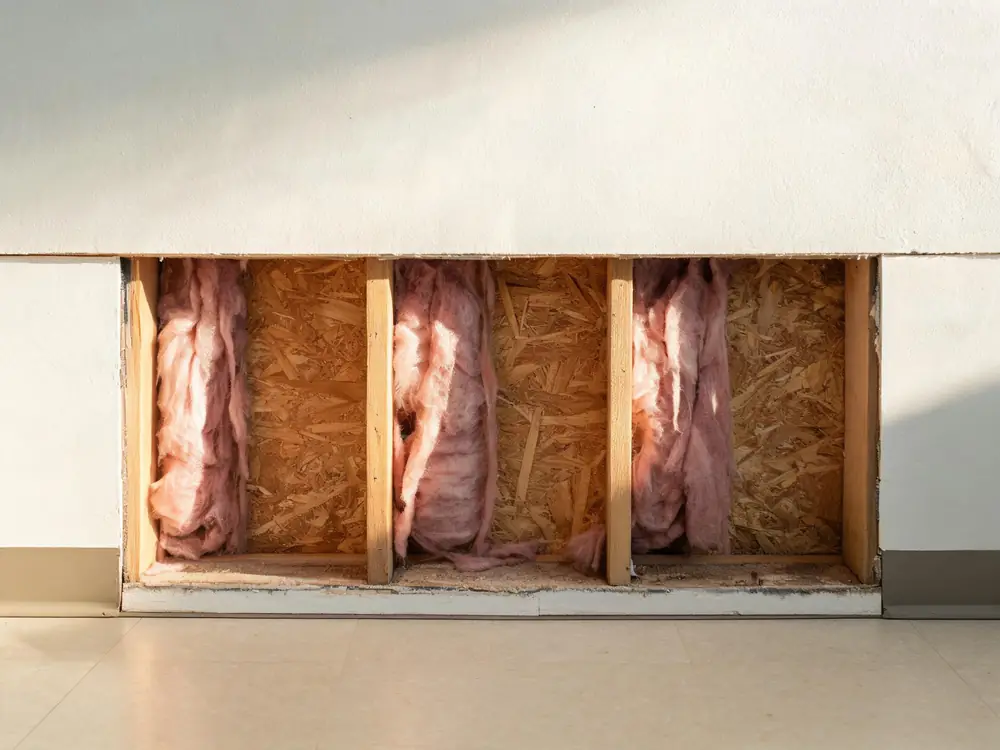
The EPA advises discarding porous materials that were soaked and cannot be cleaned and dried completely within 24 to 48 hours. Flood water makes that call even easier, because contaminated water gets deep into porous materials.
| Material | Usual decision after flood water |
|---|---|
| Carpet and pad | Discard. Pad cannot be cleaned after contaminated water. |
| Drywall | Cut out at least 12 to 24 inches above the water line, or higher if moisture wicked up. |
| Fiberglass and cellulose insulation | Discard wherever it got wet. |
| Upholstered furniture and mattresses | Usually discard. |
| Cardboard boxes, paper, books | Discard unless very valuable. Freeze important papers and seek a document restorer. |
| Solid wood furniture | Often salvageable if cleaned and dried slowly. |
| Concrete, stone, tile, metal, glass | Clean and dry. These are non-porous or durable. |
| Wood framing and joists | Clean and dry to normal moisture levels. Replace only if damaged or rotted. |
How to Dry a Flooded Basement or Crawl Space
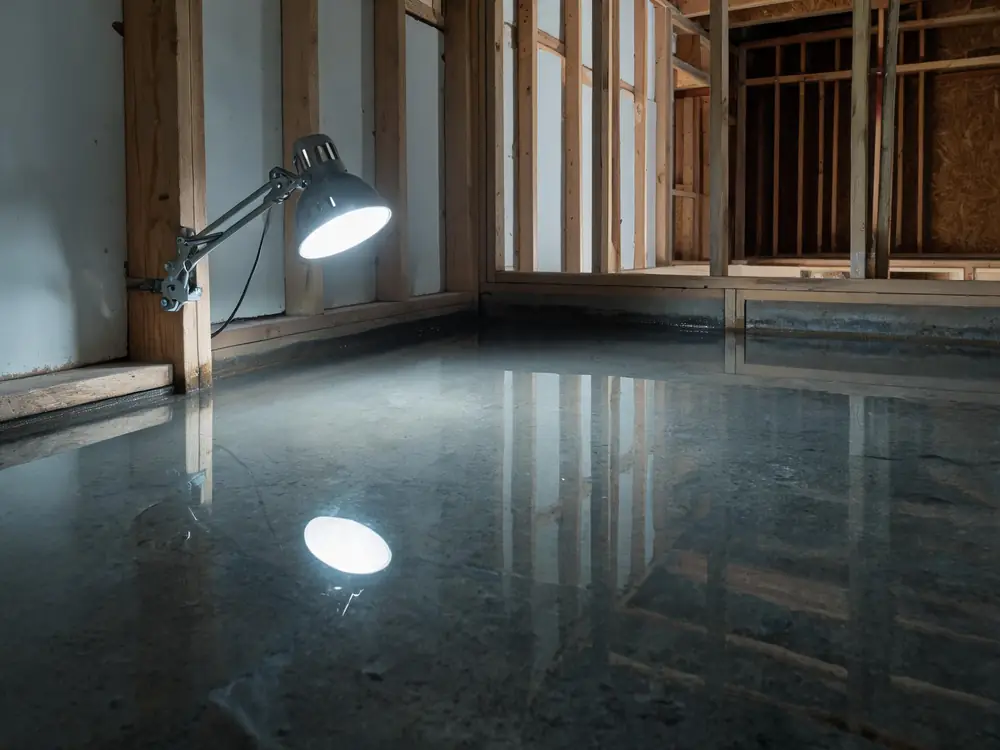
Drying a below-grade space takes more equipment and more time than most people expect. Concrete slabs and stone foundation walls hold a lot of water. Plan on these steps:
- Open wall cavities where drywall was removed so air reaches the studs.
- Run a large dehumidifier sized for the space, and empty it or connect it to a drain.
- Point air movers along walls and floors, not up into the room.
- Take moisture readings on framing, sill plates and subfloor. Wood should return to normal levels, typically below about 15 to 16 percent moisture content, before you close anything up.
- Keep the space below 60 percent relative humidity, as the EPA recommends, and ideally between 30 and 50 percent.
Older Gettysburg homes with fieldstone or rubble foundations can keep wicking ground moisture for weeks after a storm. Those basements often need ongoing dehumidification, grading fixes and gutter work to stay dry.
Cleaning Hard Surfaces
For concrete, stone, framing and other hard surfaces, remove dirt and debris first, then scrub with detergent and water and dry quickly. The EPA does not recommend routine use of bleach for mold cleanup, and bleach should never be mixed with ammonia or other cleaners. Visible mold on wood framing can be scrubbed or sanded, then HEPA vacuumed once dry.
Common Causes of Basement Flooding
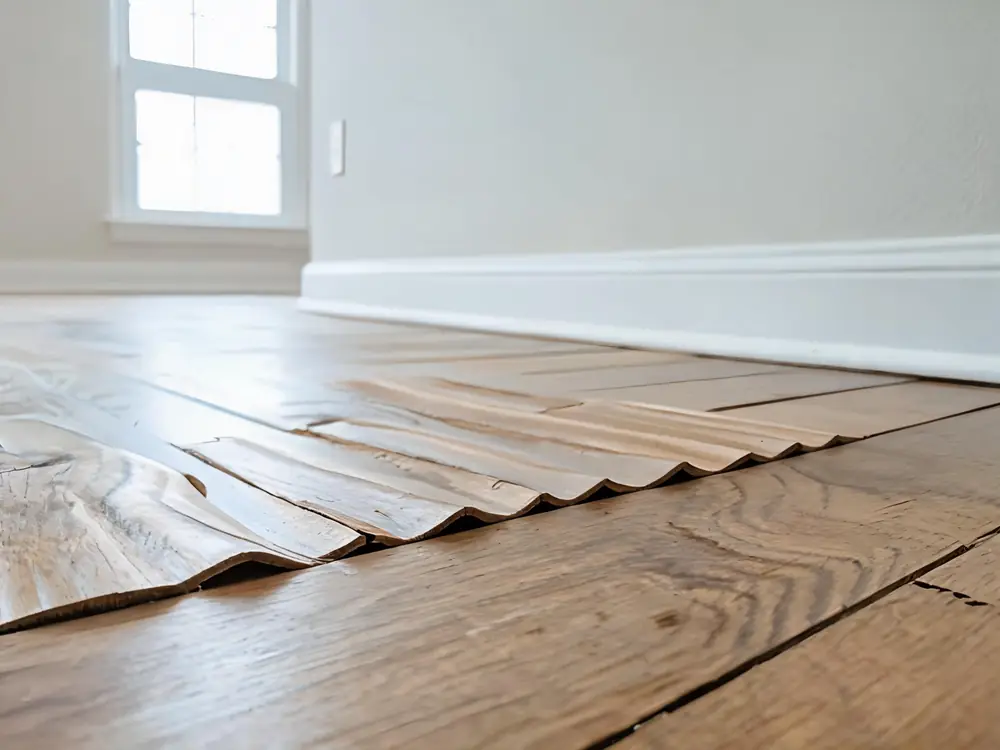
Surface runoff and groundwater are the big ones, but they are not the only sources. A failed sump pump during a power outage can fill a basement in hours. Our article on sump pump failure and mold covers backups and battery options. Winter pipe breaks are another source, and the drying steps are similar, as explained in our guide to mold after a burst pipe.
Signs Mold Is Already Growing
- A musty smell that stays after the space seems dry.
- Spots or fuzz on the bottom of walls, baseboards, stair stringers or stored items.
- Staining that spreads upward on drywall or paneling.
- New or worse allergy symptoms when you spend time in the basement. See your doctor about any health concerns.
You can learn more about flood cleanup from the EPA's mold resources, and check flood watches for Adams County through the NWS State College office.
When to Call a Professional
Call a professional if the flooded area is larger than about 10 square feet, if the water was contaminated, if water reached inside walls or under a finished floor, or if mold is already visible. Our water damage and mold restoration service in Gettysburg handles extraction, moisture mapping, removal of damaged materials and mold remediation with containment and HEPA filtration. We are open 24 hours at (717) 420-8919.
If you are working through this from the beginning, see How Fast Does Mold Grow After Water Damage?.