
Mold guide
Preventing Mold in Vacant Homes, Second Homes and Empty Rentals
Vacant homes grow mold because nobody is there to notice a leak, a failed sump pump or a summer of high humidity. Second homes, rentals between tenants and estate homes waiting to sell all face the same risk. The fix is a simple plan: control humidity, protect pipes from freezing, check the house on a schedule, and use sensors that alert you when something goes wrong.

By Dale Hoffman, Remediation Lead
Published
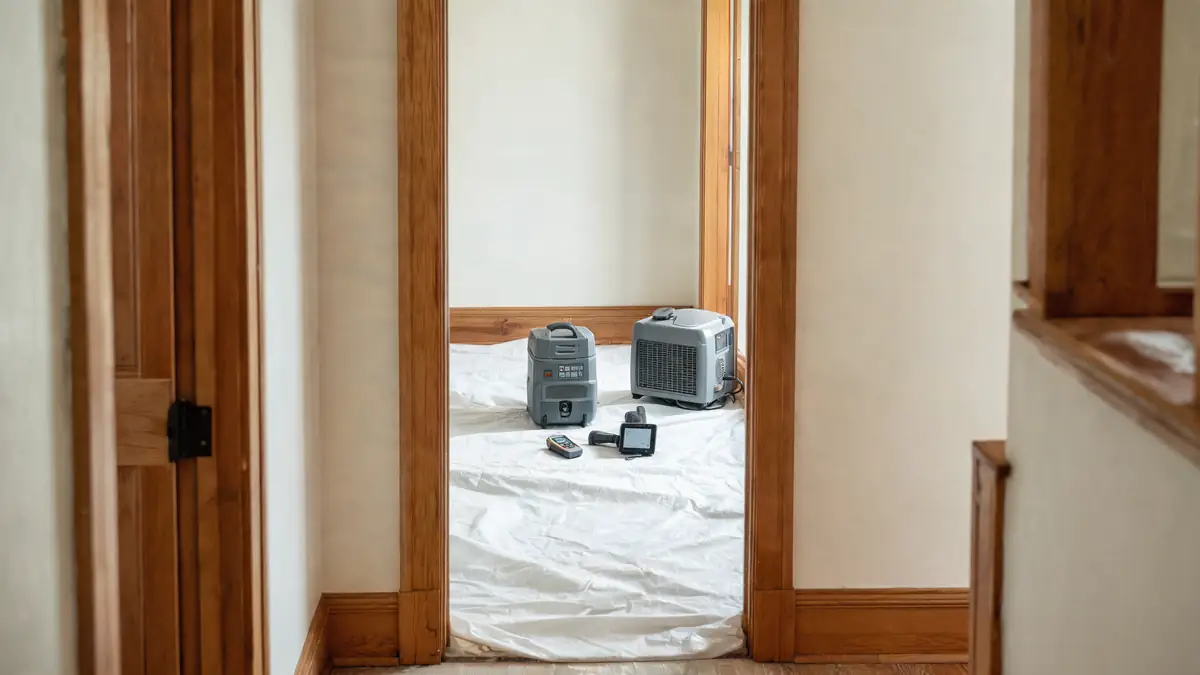
Why Empty Homes Are at Higher Risk
Occupied homes have built-in protection: people notice smells, drips and wet floors. In an empty house, a small leak can run for weeks. The EPA notes that mold usually will not grow if wet materials are dried within 24 to 48 hours. In a vacant home, that window passes long before anyone walks in.
Vacant homes also lose the everyday air movement that comes with living there. Doors stay closed, HVAC runs less, and basements sit still and damp. Our guide to how fast mold grows after water damage shows how quickly a small problem becomes a large one.
These situations are the most common in our area:
- Second homes and getaways: lake and mountain properties in places like Carroll Valley that sit empty for weeks.
- Rentals between tenants: units waiting on repairs, paint or a new lease.
- Student rentals over summer: houses near campus that empty out after the spring term.
- Estate homes: houses waiting to be cleared out, listed and sold.
- Snowbird homes: owners who spend winters away.
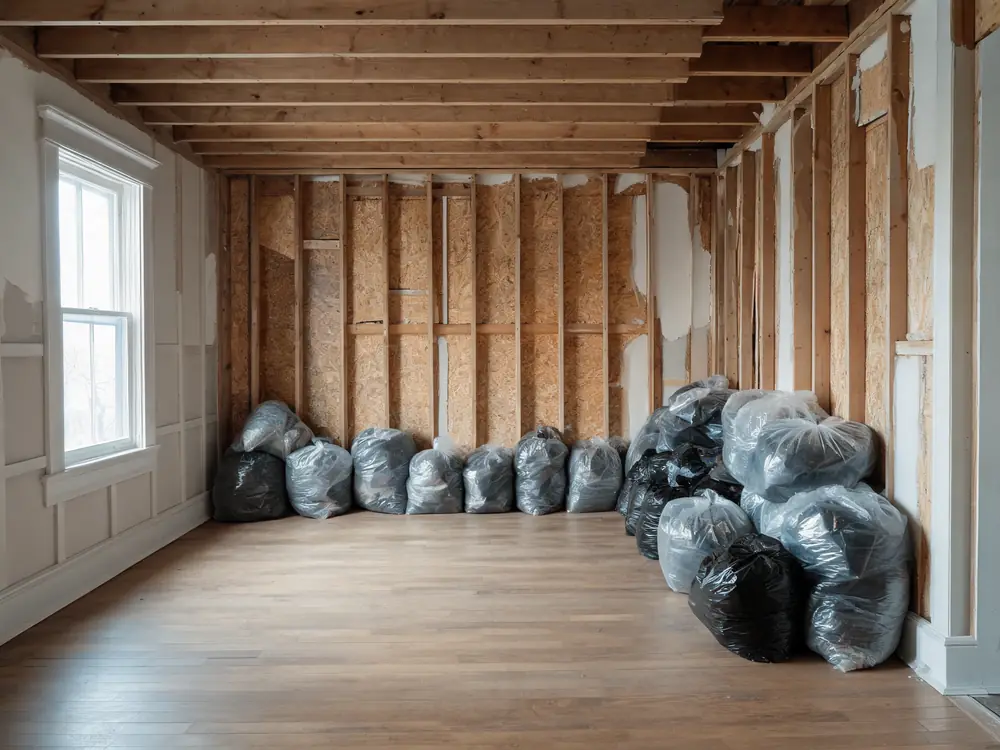
Before You Leave: A Shutdown Checklist
A little preparation on the last day saves a lot of trouble later. Run through this list before the house sits empty.
- Fix any known drips, slow drains or running toilets.
- Clean gutters and make sure downspouts carry water away from the foundation.
- Test the sump pump by pouring water into the pit, and confirm the alarm works.
- Empty the refrigerator, or prop the doors open if you unplug it.
- Move cardboard boxes, books and fabric off basement floors and away from outside walls.
- Set the thermostat and confirm the system runs as expected.
- Set up the dehumidifier with a continuous drain and check the hose route.
- Place leak and temperature sensors, and test that alerts reach your phone.
- Consider shutting off the water main if no one will check the house for long stretches.
- Leave a key and contact list with the person checking the house.
Write down the thermostat setting, dehumidifier setting and hygrometer reading on the day you leave. That gives the person checking the house a baseline to compare against.
Control Humidity in Every Season
Humidity is the slow, quiet cause of mold in vacant homes. The EPA recommends keeping indoor relative humidity below 60 percent, and ideally between 30 and 50 percent.
Summer
Gettysburg summers are humid. A closed-up house with the AC off can reach high humidity quickly, especially in the basement.
- Run a dehumidifier in the basement with a hose to a floor drain or sump pit, not a bucket that fills and shuts off.
- Set the AC to a moderate temperature instead of turning it off.
- Leave interior doors and closet doors open so air can move.
- Check that the AC condensate line and drain pan are clear before you leave.
Our guide on the right basement humidity level explains how to set a dehumidifier.
Winter
Heated air is usually drier, but cold walls and closed rooms can still collect condensation. Keep the heat on at a steady setting and leave doors open so warm air reaches every room.
Freeze Protection
A burst pipe in an empty house is one of the worst mold situations we see. Water can run for days before anyone finds it, soaking floors, walls and ceilings on every level below.
If the heat stays on
- Keep the thermostat at a steady setting high enough to keep pipes in exterior walls and basements well above freezing.
- Have the furnace or boiler serviced before winter.
- Open cabinet doors under sinks on exterior walls.
- Insulate exposed pipes in crawl spaces and unheated areas.
- Shut off and drain outdoor hose bibs.
- Use a temperature sensor that alerts you if heat fails.
If the house will be winterized
A plumber can shut off the main, drain supply lines and the water heater, and add antifreeze to traps. This is the safest choice for homes left empty all winter with no heat. Keep a dehumidifier or some heat in mind for the basement, depending on the house.
If a pipe does burst, our guide to burst pipe mold walks through the first steps.
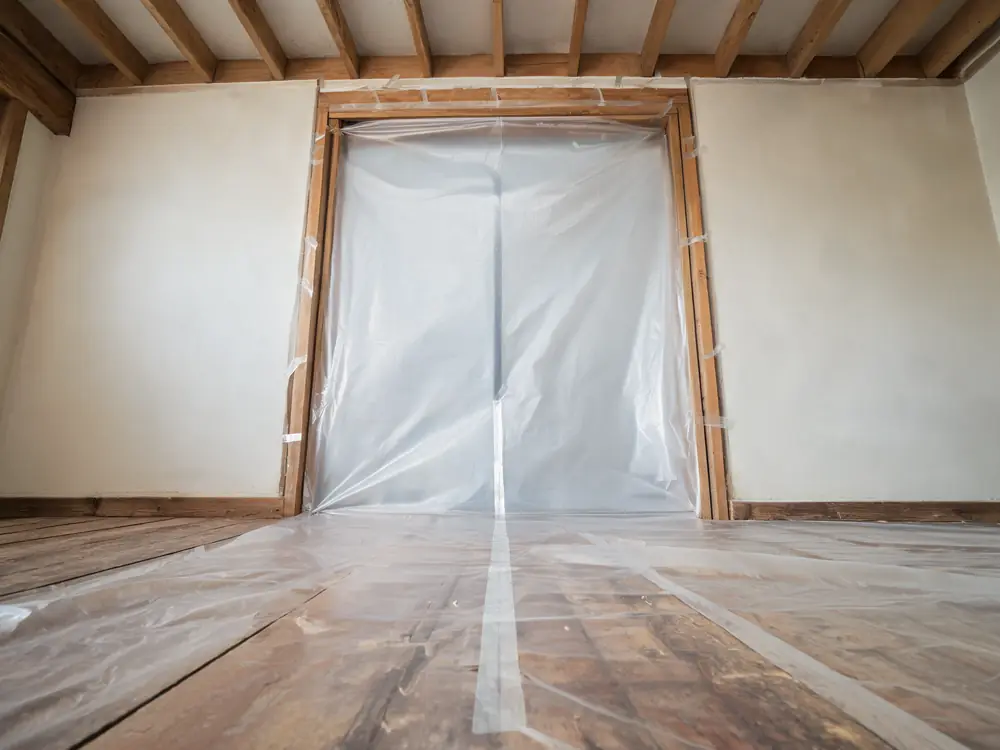
A Simple Check Schedule
A regular walk-through catches problems while they are still small. Ask a neighbor, family member, property manager or house-watching service to follow a checklist.
| How often | What to check |
|---|---|
| Every visit | Smell at the front door and in the basement; look under sinks, around toilets, water heater and washer; check ceilings for stains; read the hygrometer |
| Every visit | Confirm heat or AC is running and the dehumidifier is draining |
| After storms | Basement floor and walls, sump pit, window wells, roof leaks at top-floor ceilings |
| Monthly | Run water briefly in each fixture to refill traps; test the sump pump; flush toilets |
| Seasonally | Clean gutters, check downspouts, service HVAC, check attic for leaks |
The first thing to notice on any visit is smell. A musty odor at the door is often the earliest warning. Our guide to a musty smell with no visible mold explains where to look next.
Sump pumps are especially important. A pump failure during a storm can flood a basement with no one home. See sump pump failure and mold for backup options.
Smart sensors and automatic shutoffs
Sensors do not replace visits, but they shorten the time between a problem and a response. Most connect to Wi-Fi and send phone alerts.
- Water leak sensors: small pucks placed under sinks, near the water heater, by the washer, next to the sump pit and near toilets.
- Temperature sensors: warn you when heat fails in winter.
- Humidity sensors: show trends and alert you when the basement climbs too high.
- Automatic water shutoff valves: close the main when a leak sensor triggers or flow looks abnormal.
- Sump pump alarms: alert on high water or pump failure.
- Power outage alerts: many hubs and smart plugs report when power drops.
Place sensors where water is most likely to show up first: the lowest point of the basement floor, beside the water heater and under the kitchen sink.
Make sure the home keeps internet service and that alerts go to more than one person. A sensor is only helpful if someone can get there quickly.
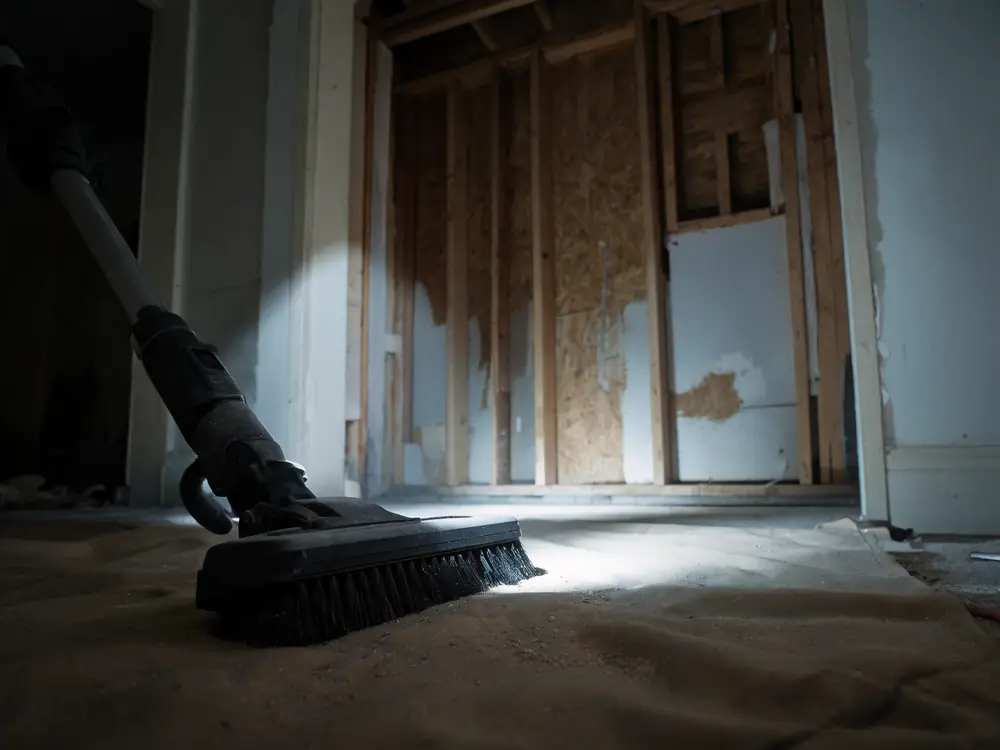
Coming Back After Time Away
The first few minutes inside tell you a lot. Before you unpack, walk the house with fresh senses.
- Notice the smell at the door. Musty air is the first warning.
- Check ceilings on the top floor for new stains.
- Look under sinks and around toilets, the water heater and the washer.
- Go to the basement and check the floor, walls, sump pit and dehumidifier.
- Read the hygrometer and compare it with the reading from when you left.
- Open closets and look behind furniture on outside walls.
If you find water, photograph it before cleaning up and start drying right away. If you find visible growth over a small area, avoid disturbing it until you know how far it has spread.
Rentals, Estates and Home Sales
Different vacancies come with different obligations.
Rentals between tenants
Turnover is a good time to check for mold, fix small leaks and replace bath fans. Our Pennsylvania mold laws page explains how mold fits into landlord and tenant responsibilities. Student rentals that sit empty all summer have their own guide: mold in student rentals.
Estate homes
Estate homes often sit with utilities at minimum while the family sorts belongings. Keep heat and dehumidification running, and remove cardboard boxes and stored items from damp basements.
Homes for sale
Mold found during a buyer's inspection can delay or derail a sale. Catching it early gives you time to address it. Our guide to selling a house with mold in Pennsylvania covers disclosure and options.
Check your insurance
Many homeowners policies change or limit coverage when a home is vacant for an extended period. Read the vacancy clause and talk with your agent before the house sits empty.
When to Call a Professional
Call if you find water damage after time away, notice a musty smell at the door, or see growth on walls, floors or stored items. Speed matters most in vacant homes, because the damage may already be weeks old. We provide water damage and mold restoration for vacant, second and rental homes across Gettysburg and Adams County. Call (717) 420-8919, 24 hours a day, for a free on-site inspection.