
Mold guide
Mold in Student Rentals Near Gettysburg College
Mold in a college rental is common because older houses, crowded bathrooms and months of empty rooms all add up to trapped moisture. Near Gettysburg College, many student rentals are 1800s and early 1900s houses split into apartments, and this guide explains how students, parents and landlords can spot mold early and get it fixed the right way.

By Curtis Bowman, Water and HVAC Restoration Lead
Published
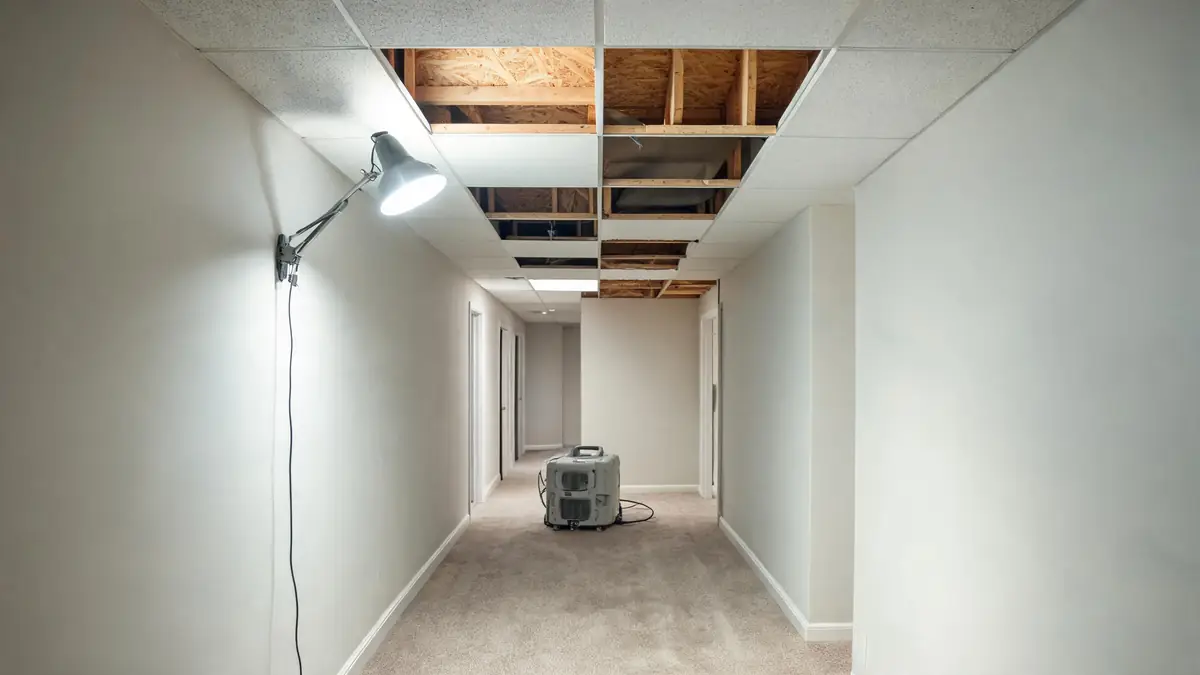
Why College Rentals Get Mold
Student houses see more daily moisture than a typical family home. Four or five people showering every morning in one bathroom, cooking, and drying clothes on racks put a lot of water vapor into the air. Here are the most common causes we see:
- Bathroom fans that do not work or vent into the attic. This is common in older Gettysburg houses and leads to ceiling and attic mold.
- Basement bedrooms. Stone and fieldstone foundations let moisture through, and a basement bedroom with carpet and no dehumidifier is a mold magnet.
- Window air conditioners. Units that drain toward the wall or collect water in the sill can rot wood and grow mold.
- Closed-up houses over breaks. With heat turned down and no one running fans, humidity builds and pipes can freeze and burst in January.
- Summer vacancy. Gettysburg's humid July and August can push basement humidity well above the EPA's recommended limit of 60% when no one is running a dehumidifier.
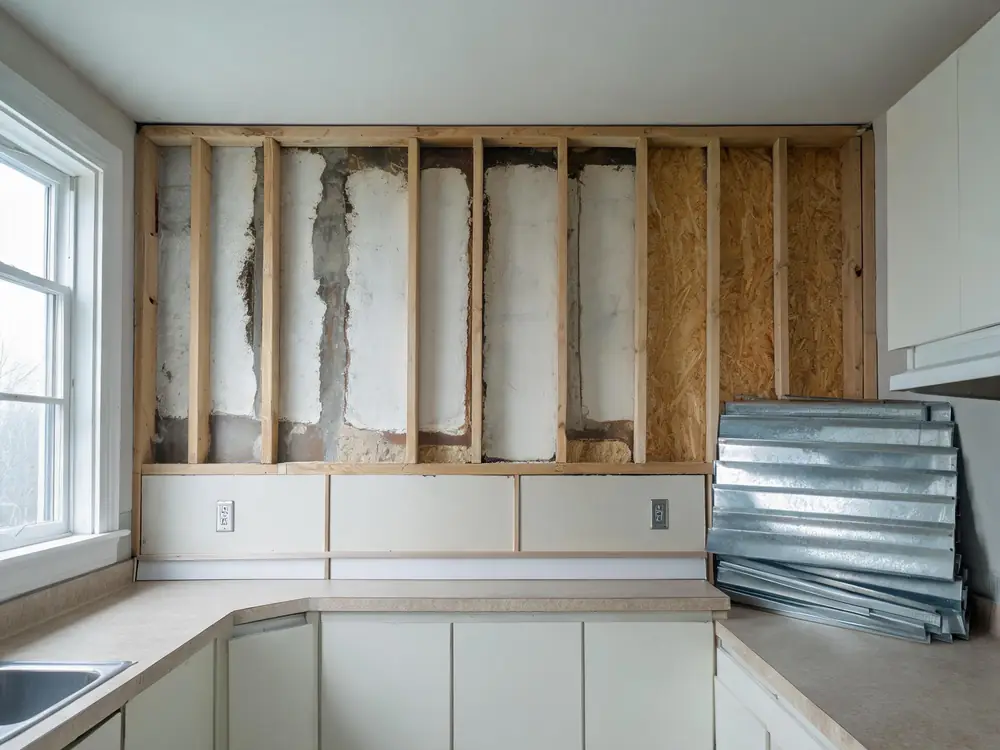
Signs Students Should Watch For
Students are often the first to notice, even if they are not sure what they are seeing. Report these right away:
When it is past the point of a bucket and a fan, our Gettysburg mold crew can scope the job.
- A musty or earthy smell that does not go away after cleaning.
- Dark spots on ceilings, closet walls or behind furniture on exterior walls.
- Fuzzy growth on shoes, bags or clothes stored in a closet or basement.
- Water stains, bubbling paint or soft drywall.
- Condensation dripping on windows every winter morning.
If you or a roommate have allergy or breathing symptoms that seem worse at home, see a doctor or the campus health center. The CDC notes that mold can cause stuffy nose, wheezing and eye or skin irritation, and people with asthma can have stronger reactions.
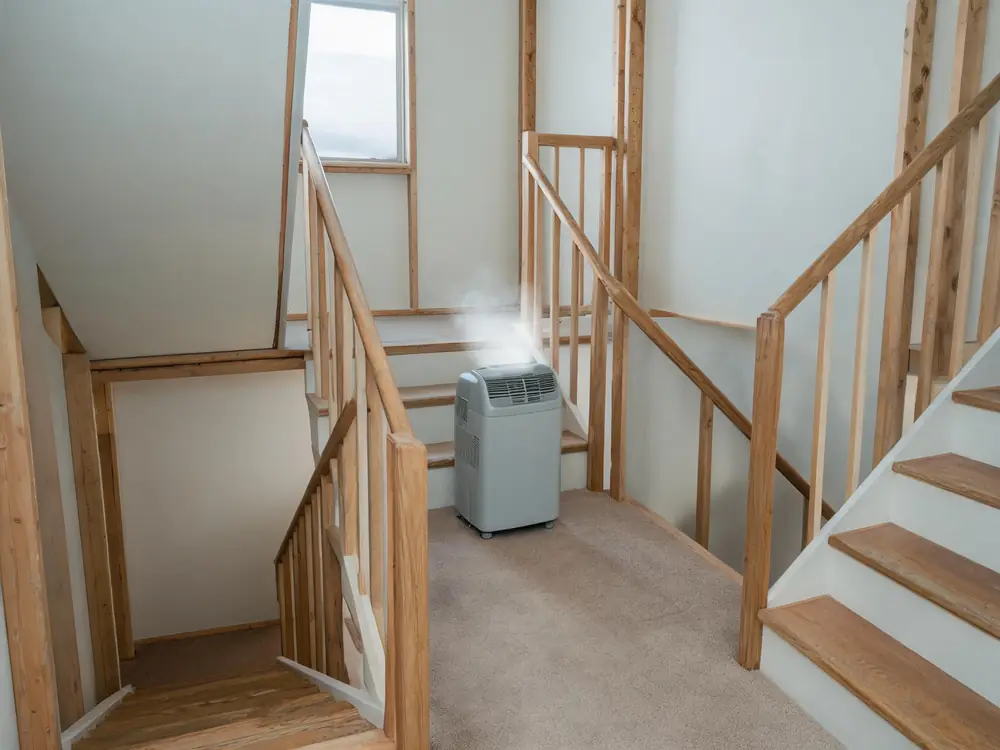
What Students and Parents Should Do
- Photograph it. Take clear, dated photos, including a wide shot that shows the room.
- Report it in writing. Email the landlord or property manager so there is a record. Mention any leak or water source you know about.
- Do not paint over it or bleach large areas. That hides the problem and can stir up spores. Small surface mildew on tile or caulk is fine to clean with a household cleaner.
- Move belongings away. Keep clothes, books and bedding off damp floors and walls.
- Follow up. If nothing happens in a reasonable time, send a second written notice.
Parents who co-sign leases often want to know their options. Our overview of Pennsylvania mold laws for landlords and tenants explains the implied warranty of habitability and what each side is generally responsible for. It is general information, so consult an attorney before taking legal steps like withholding rent.
What Landlords Should Do
For owners, student rentals turn over fast, and a mold complaint can follow a property from one group of tenants to the next. A good plan looks like this:
- Inspect between leases. Late May through August is the best window to check attics, basements and bathrooms.
- Fix ventilation. Make sure bath fans are ducted outside and sized for the room. Consider humidity-sensing or timer switches.
- Control basement humidity. Run a dehumidifier with a drain line so it works while the house is empty. The EPA recommends keeping indoor humidity below 60%, ideally 30% to 50%.
- Winterize empty houses. Keep heat on, open cabinet doors under sinks on outside walls, and have someone check in during breaks.
- Respond quickly and keep records. Photos, invoices and clearance results protect you if a dispute comes up later.
Keeping these records also matters if you ever sell. Pennsylvania sellers must disclose known material defects, and our guide to selling a house with mold in PA explains how documented repairs help.
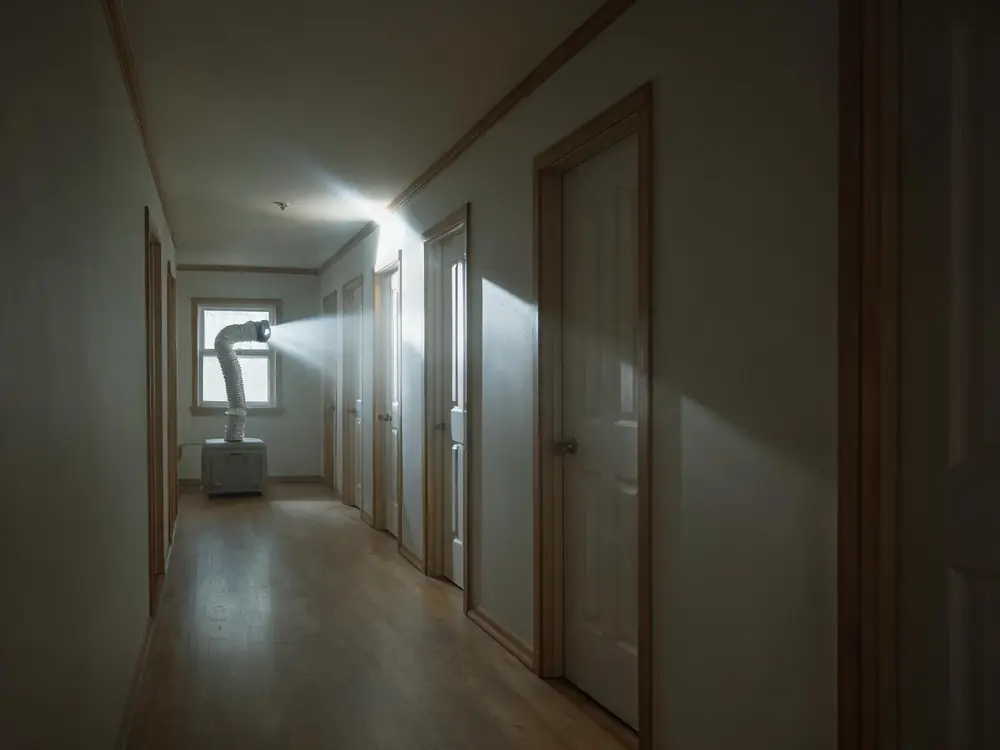
Common Problem Areas in Older Gettysburg Rentals
| Area | Typical cause | Usual fix |
|---|---|---|
| Bathroom ceiling | Weak or missing exhaust fan | Clean or replace drywall, install a fan vented outside |
| Basement bedroom | Damp stone foundation, carpet on slab | Remove wet carpet, dehumidify, improve drainage |
| Closet on an outside wall | Cold wall and no air movement | Clean, improve airflow, add insulation where possible |
| Attic | Bath fans venting into attic, poor ventilation | Clean sheathing, reroute fans, balance ventilation |
| Under the kitchen sink | Slow drain or supply leak | Repair plumbing, replace cabinet floor |
When to Call a Professional
Bring in a professional if the mold covers more than about 10 square feet, keeps coming back, follows a leak or flood, or shows up in more than one room. A professional job includes containment, HEPA filtration, removal of damaged materials and a fix for the moisture source. We can work between semesters or around move-in dates. Learn how our commercial and rental mold remediation works, or call (717) 420-8919 any time.
When it is past the point of doing it yourself, see commercial and rental mold remediation.
If you are working through this from the beginning, see Mold in Commercial Buildings: A Guide for Offices, Schools and Churches.