
Mold guide
Sump Pump Failure and Basement Mold: What to Do Next
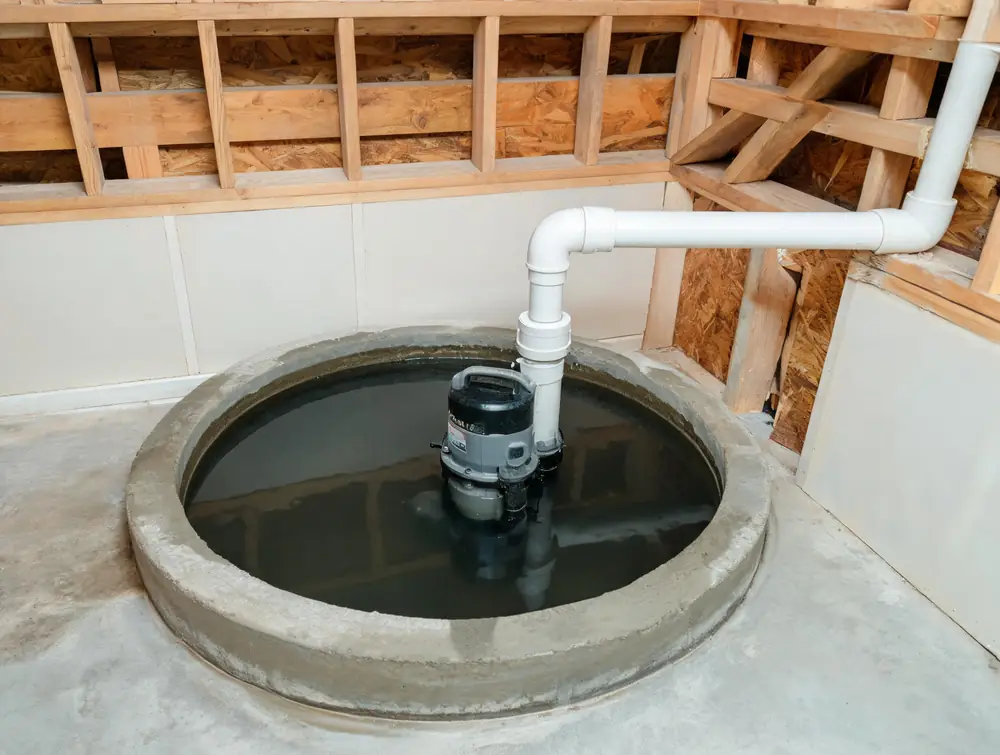
Sump pump failure can lead to mold fast, because the EPA says mold can begin growing on wet materials within 24 to 48 hours. In Gettysburg, pumps tend to fail when they're needed most: during spring snowmelt, heavy thunderstorms and the remnants of tropical storms. What you do in the first two days decides whether you have a cleanup or a mold problem.

By Curtis Bowman, Water and HVAC Restoration Lead
Published
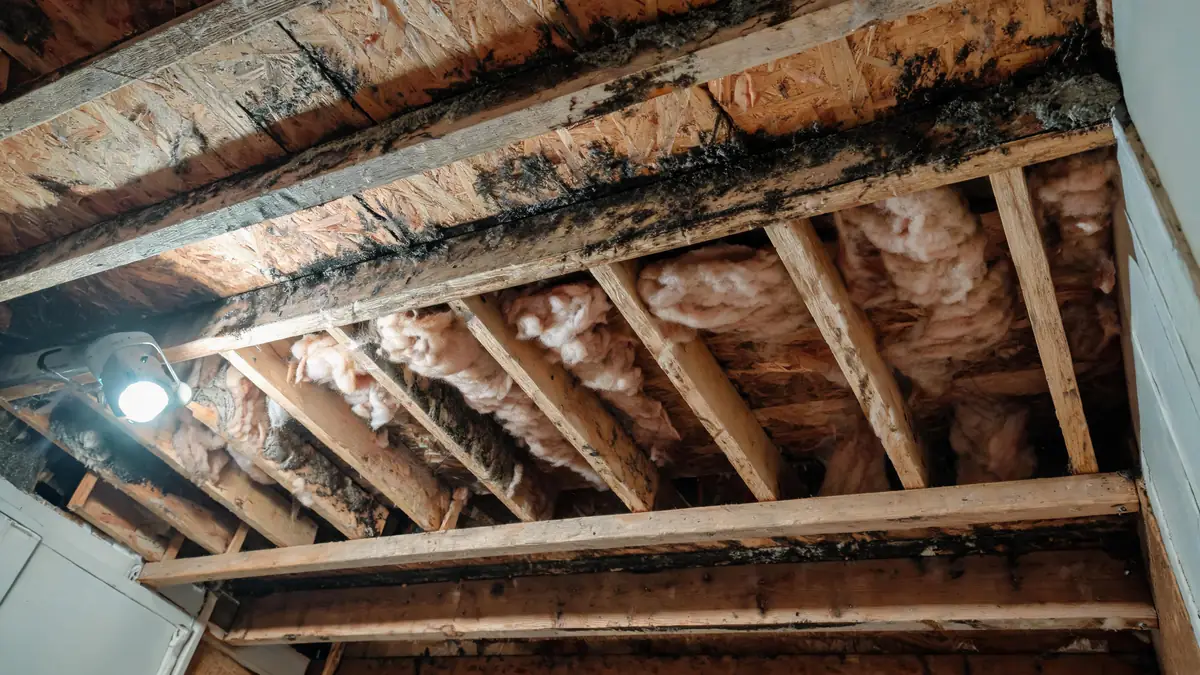
Why Sump Pumps Fail
- Power outages during storms, the most common cause
- Stuck float switch caught on the pit wall or cord
- Clogged intake or check valve from debris and silt
- Frozen or blocked discharge line in winter
- Undersized pump that can't keep up with heavy inflow
- Old age. Many pumps last roughly 7 to 10 years
Gettysburg averages about 43 inches of precipitation a year, and spring snowmelt raises the water table in low areas near Marsh Creek and Rock Creek. Storms like Agnes in 1972, Ivan in 2004 and Lee in 2011 caused major flooding in the region. Check local conditions with the National Weather Service in State College when storms are forecast.
Local conditions and pricing are covered by mold removal and remediation in Gettysburg.
Step-by-Step: What to Do After a Sump Pump Fails
1. Put safety first
Don't walk into standing water if outlets, cords or appliances may be submerged. Shut off power to the basement at the breaker panel if you can do so safely, or call an electrician or the utility. If the water has a sewage smell, treat it as contaminated.
2. Get the water out
Restore power to the pump, clear the float, or use a backup or rental pump. Use a wet vacuum for shallow water. The faster water leaves, the less soaks into walls and framing.
3. Document everything
Take photos and video of the water, damaged items and the failed pump before moving things. Contact your insurer or agent early.
4. Remove wet porous items
Pull up wet carpet and pad, move furniture, and get cardboard boxes, books and fabrics out of the basement. Wet cardboard is one of the fastest things to grow mold.
5. Dry within 24 to 48 hours
Run dehumidifiers and fans. Open windows only if outdoor air is drier than indoor air, which is rarely true in a humid Gettysburg summer. Keep drying until moisture readings return to normal, which often takes several days.
6. Check hidden spaces
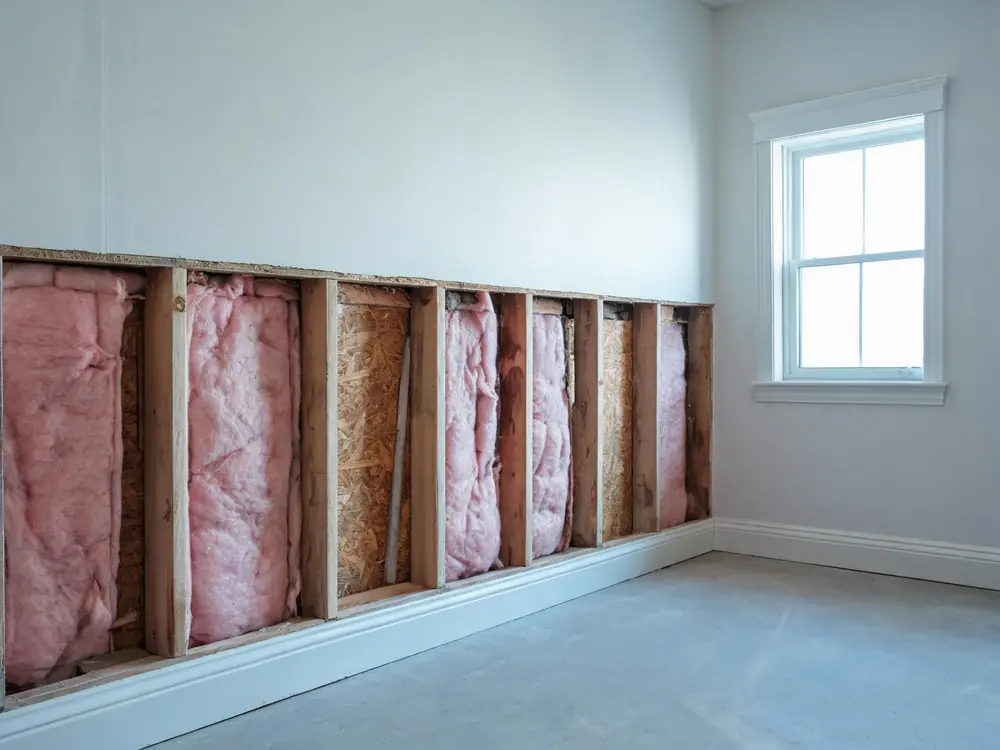
Water wicks up drywall and into wall cavities, under flooring, and into bottom plates. If drywall is soaked, cutting it a foot or so above the water line lets the cavity dry.
7. Fix the pump before the next storm
Repair or replace the pump, and consider a battery backup or water-powered backup plus a high-water alarm.
Signs Mold Has Already Started
- Musty smell a few days after the flood
- Spots on the lower drywall, baseboards or furniture legs
- White or dark fuzz on joists, stored items or carpet backing
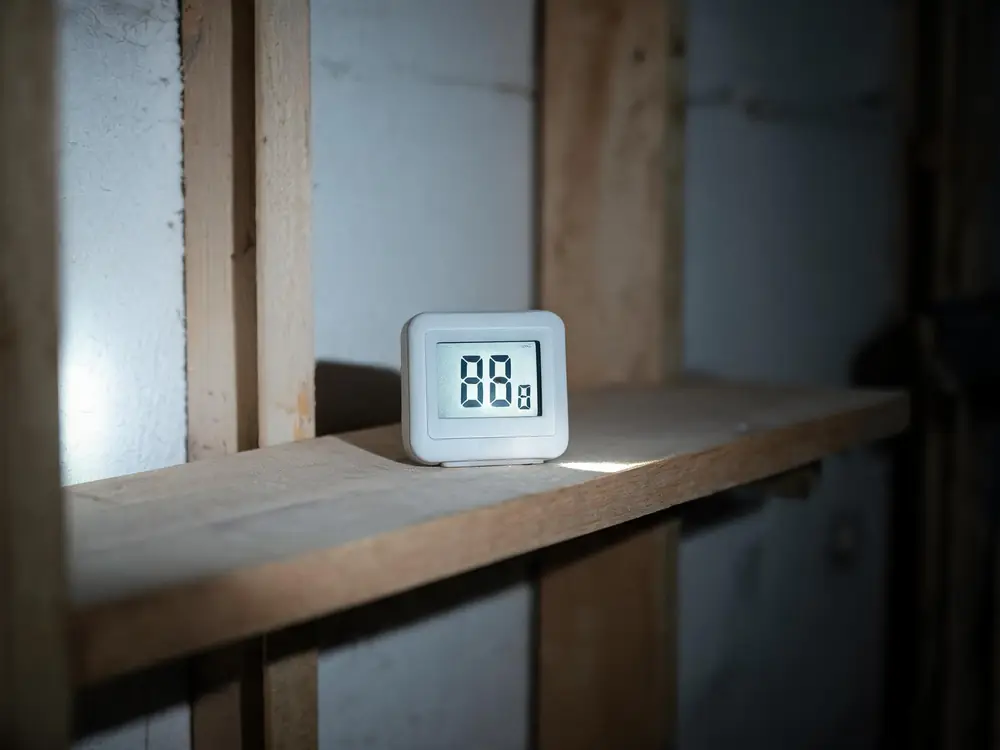
- Humidity that stays above 60% even with a dehumidifier running
Older homes with fieldstone or rubble foundations can hold water in the walls for weeks after a flood, keeping the basement damp long after the floor dries. Our guide to mold in stone foundation basements explains how to dry and manage these walls.
What Water Damage Needs Pro Help?
| Situation | DIY or professional? |
|---|---|
| Small puddle on bare concrete, dried same day | Usually DIY |
| Wet carpet and pad, over 24 hours | Professional drying recommended |
| Drywall or insulation soaked | Professional |
| Sewage backup or flood water from outside | Professional |
| Visible mold over about 10 sq ft | Professional |
The EPA's mold guidance uses about 10 square feet as a rough line where professional help becomes more important. For homes where water soaked multiple rooms, our water damage and mold restoration service covers drying and mold together.
Insurance Notes
Many homeowners policies exclude sump pump backup unless you added a water backup endorsement. Flood water from outside usually requires separate flood insurance. Mold coverage is often limited. Read your policy and talk with your insurer or agent about your specific situation.
When to Call a Professional
Call right away if water sat for more than a day or two, soaked finished walls or carpet, or came from outside or a sewer line. We provide basement and crawl space mold remediation in Gettysburg and answer the phone 24 hours a day at (717) 420-8919.