
Mold guide
Does Bleach Kill Mold? Why It Fails on Porous Surfaces
Does bleach kill mold? On hard, non-porous surfaces like tile and glass, bleach can kill surface mold, but on drywall, wood, and other porous materials it usually just whitens the stain while the growth underneath survives. That's why so many Gettysburg homeowners see the same spot come back a few weeks after a bleach scrub.

By Dale Hoffman, Remediation Lead
Published
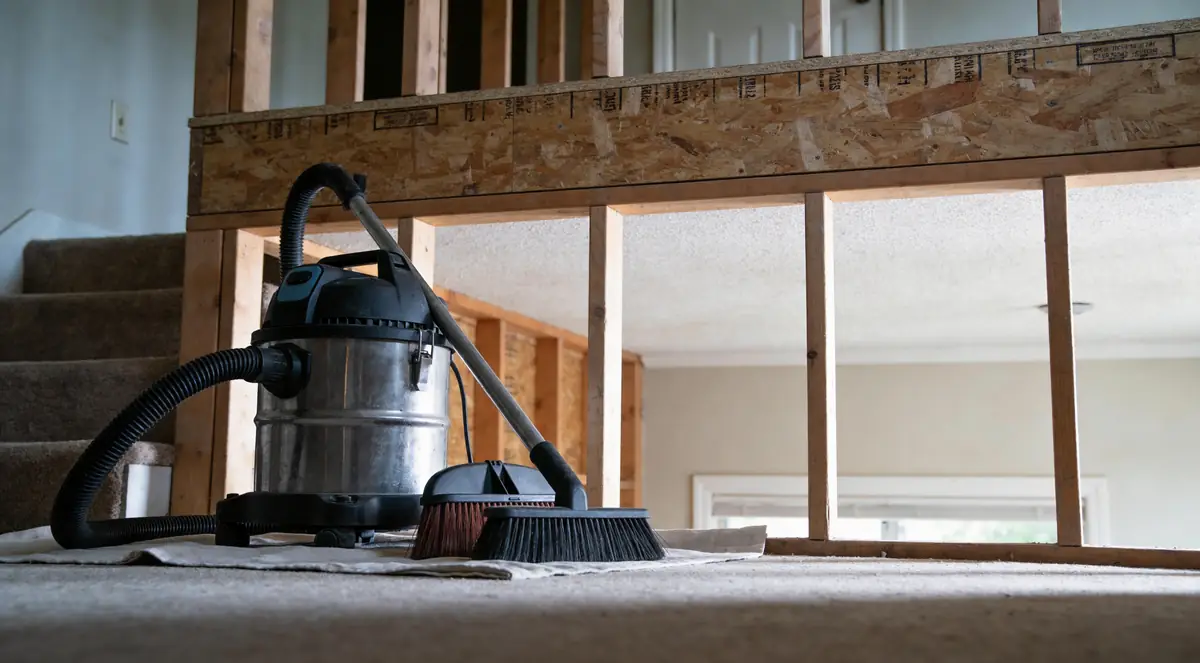
Why Bleach Works on Some Surfaces and Not Others
Household bleach is mostly water with a small amount of sodium hypochlorite. On a hard surface like a glazed tile, mold sits on top, so bleach can contact and kill it.
Owners who would rather not handle it themselves can call our local crew.
Porous materials are different. Mold sends thread-like hyphae into drywall paper, gypsum, and wood grain. The chlorine in bleach tends to stay near the surface, while the water soaks in. You see a clean, white surface, but the mold below is still there, and the added moisture can help it grow back.
| Surface | Does bleach work? | Better approach |
|---|---|---|
| Glazed tile, glass, porcelain | Yes, on surface mold | Detergent scrub works too |
| Sealed countertops, metal | Yes, on surface mold | Detergent, then dry fully |
| Grout and caulk | Partly; stains often return | Replace stained caulk; regrout if needed |
| Drywall | No, mold grows into paper and gypsum | Cut out and replace |
| Wood framing and subfloor | No, mold is in the grain | HEPA vacuum, clean, sand, dry |
| Carpet, insulation, ceiling tiles | No | Remove and discard |
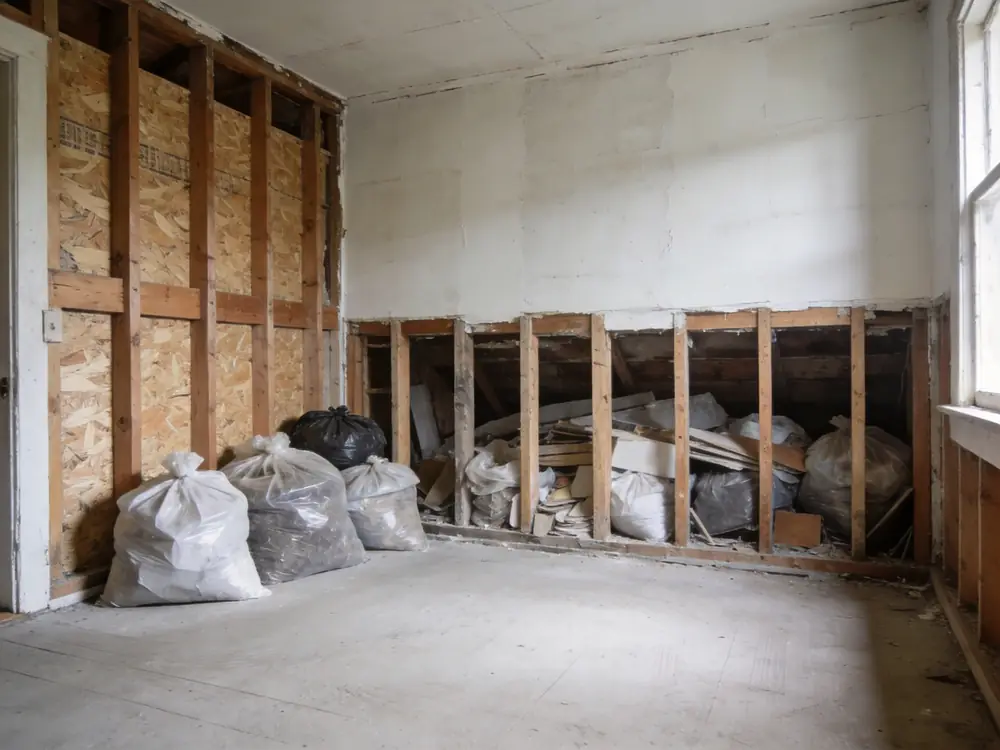
What the EPA Says
The EPA's position is that biocides like chlorine bleach are not recommended as a routine practice during mold cleanup. There may be special cases, like when immune-compromised people live in the home, but the main goal is removal. Dead mold can still cause allergic reactions in some people, so killing mold isn't enough. It has to be physically removed.
The EPA also says absorbent materials such as ceiling tiles and carpet may need to be thrown out if they become moldy, because mold can grow in their empty spaces and crevices. See the EPA's Brief Guide to Mold, Moisture, and Your Home.
Safety warning: Never mix bleach with ammonia or other cleaning products. The combination can produce toxic fumes. If you use bleach, open windows and wear gloves and eye protection.
What Works Better Than Bleach
The fix depends on the material, not the cleaning product.
- Hard surfaces: Scrub with detergent and water, then dry completely. The EPA lists this as the basic method.
- Solid wood: HEPA vacuum, wipe with a cleaning solution, and sand stained areas where mold has penetrated, then dry to normal moisture levels.
- Drywall, insulation, carpet: Remove moldy sections past the visible edge and replace them after the area is dry.
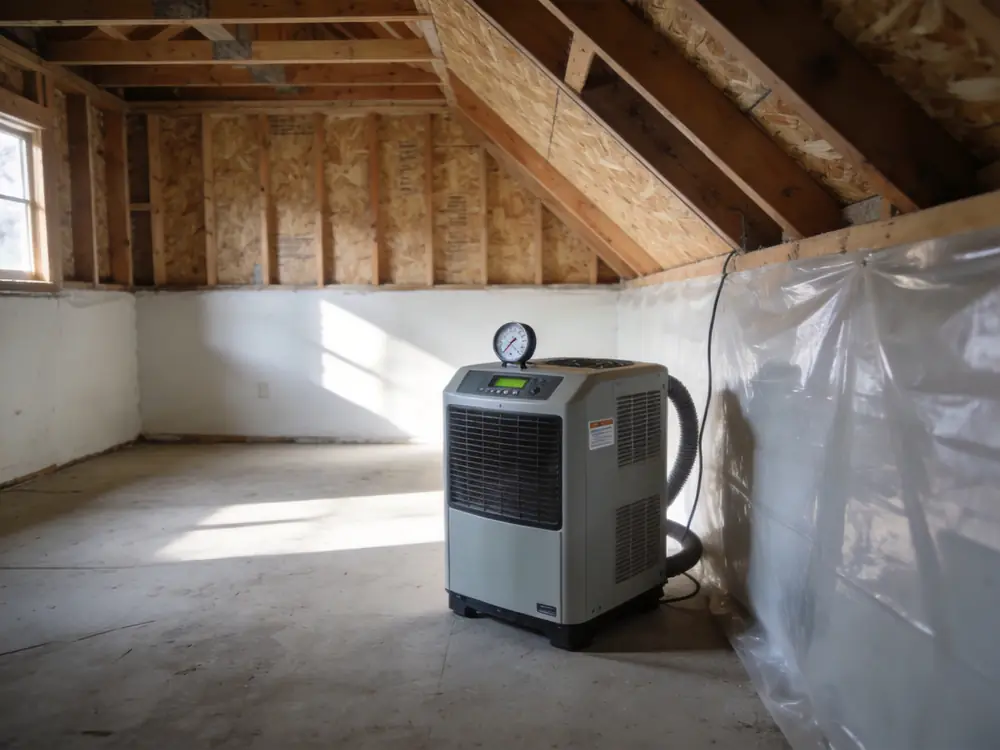
- The air: During larger jobs, HEPA air scrubbers capture spores stirred up by cleaning.
Our article on what permanently kills mold goes deeper into products like vinegar, hydrogen peroxide, and EPA-registered antimicrobials, and why moisture control is the only "permanent" fix.
Does the Type of Mold Matter?
Not much for this question. Bleach behaves the same whether the mold is Stachybotrys, Cladosporium, or Aspergillus. Surface growth on tile can be cleaned; growth inside porous materials can't be bleached out. For more on the common species, see our guide to types of household mold.
Where Gettysburg Homeowners Try Bleach
We often hear from people who bleached mold in these spots:
- Basement walls on older fieldstone or block foundations. Water keeps seeping through, so mold returns no matter what's sprayed.
- Bathroom ceilings in older homes with weak or missing exhaust fans.
- Window sills in winter, when condensation forms on cold glass.
- Drywall at the bottom of finished basement walls after a storm or a failed sump pump.
Gettysburg's humid summers and roughly 43 inches of precipitation a year mean moisture is the real enemy. The EPA recommends keeping indoor humidity below 60 percent, ideally between 30 and 50 percent. A dehumidifier in the basement does more to prevent mold than any spray.
When to Call a Professional
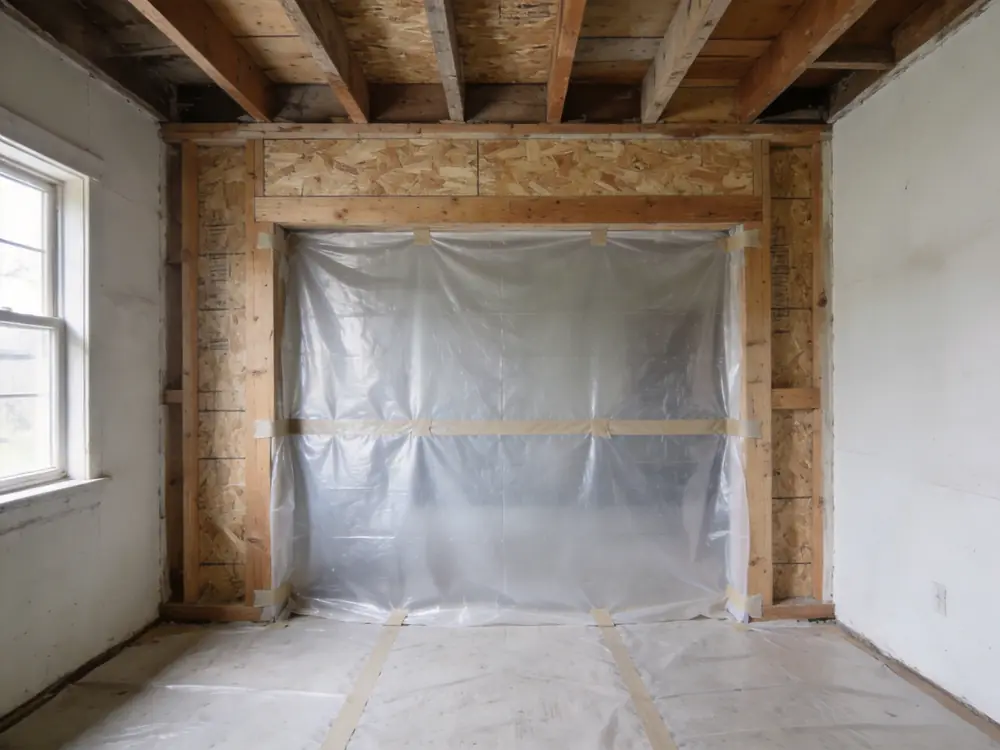
If mold keeps coming back after bleaching, covers more than about 10 square feet, or is on drywall or insulation, the problem is in the material or the moisture, not the cleaner. Our black mold removal service in Gettysburg finds the moisture source, contains the area, removes damaged materials, and dries the structure. Call (717) 420-8919, 24 hours a day.
If that is the situation at your property, see attic mold remediation.