
Mold guide
Can Moldy Furniture, Clothes and Belongings Be Saved?
Many moldy belongings can be saved: hard items like glass, metal, and finished wood usually clean up well, washable clothing often recovers, and porous items like mattresses, upholstered furniture, and paper are the hardest to rescue. Here is how Gettysburg homeowners can sort what to clean, what to take to a specialist, and what to let go.

By Dale Hoffman, Remediation Lead
Published
The Rule: Porous vs. Non-Porous
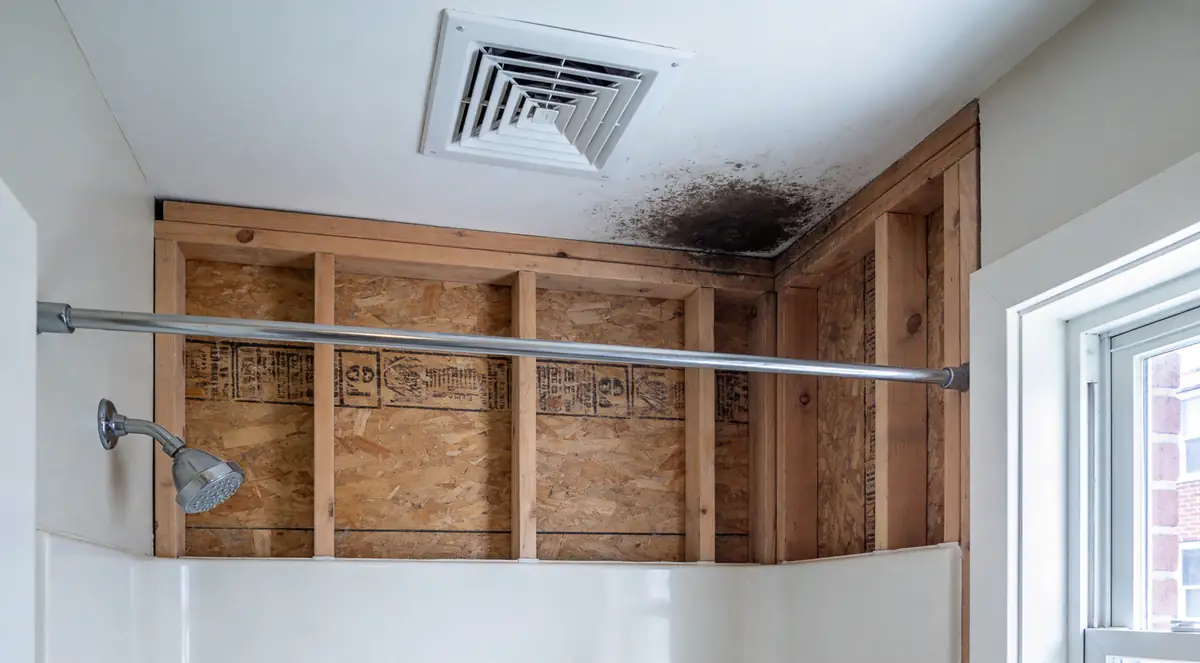
Mold on a hard, sealed surface sits on top, so you can wipe it off. Mold on a porous item grows into the fibers, where cleaning cannot fully reach. The EPA notes that absorbent materials with mold may need to be thrown away. Value matters too. It is worth paying a specialist to save a family quilt; it is not worth it for a cheap throw pillow.
When it is past the point of a bucket and a fan, mold remediation in Gettysburg, PA can scope the job.
Item-by-Item Guide
| Item | Verdict | How |
|---|---|---|
| Glass, ceramic, metal, hard plastic | Clean | Wash with detergent and water, dry fully |
| Solid or finished wood furniture | Usually clean | HEPA vacuum, wipe with mild detergent, dry; refinish if stained |
| Unfinished or particleboard furniture | Often discard | Mold roots into raw wood and swells particleboard |
| Clothing, curtains, linens | Usually clean | Hot water wash with detergent, or dry clean; repeat if odor remains |
| Leather goods | Sometimes | Wipe, dry, condition; specialist for valuable pieces |
| Upholstered furniture | Usually discard | Foam and batting trap spores |
| Mattresses, pillows, stuffed toys | Discard | Cannot be cleaned deeply enough |
| Carpet and rugs | Usually discard | Valuable area rugs can go to a rug cleaner |
| Books and paper | Discard or specialist | Freeze valuable items and call a conservator |
| Photos and documents | Specialist | Freeze-drying can save important papers |
| Electronics | Specialist | Do not power on until checked |
| Food and cardboard packaging | Discard | Not worth the risk |
How to Clean Salvageable Items Safely
- Protect yourself. Wear an N95 respirator, gloves, and goggles.
- Work outside if possible, so spores do not spread indoors.
- HEPA vacuum loose mold off surfaces first. A regular vacuum can blow spores around.
- Wash or wipe with detergent and water.
- Dry quickly in sun or with fans and a dehumidifier. Items should be dry within 24 to 48 hours.
- Check again after a week for smell or regrowth.
Documents, Photos and Heirlooms
For irreplaceable items, act quickly. Put wet or moldy papers and photos in sealed bags and freeze them. Freezing stops mold growth and buys time to find a conservator or document restoration service. Do not try to peel apart stuck photos or pages. Never use bleach on paper, fabric, or art.
Many Gettysburg families keep Civil War era letters, old family Bibles, and antique furniture. These are worth a specialist's opinion before anything is thrown away.
Health and Sensitive Household Members
If someone in your home has asthma, allergies, or a weakened immune system, lean toward discarding soft items with growth. The CDC notes that people with these conditions can react more strongly to mold. Ask your doctor about specific concerns.
Contents During Professional Remediation
During a remediation job, contents in the work area are usually moved out, cleaned, or packed before containment goes up. Items that stay are covered or sealed. Understanding what mold remediation is helps you plan: the room is cleaned first, then belongings return. If your items were damaged by a covered water event, photograph everything before you discard it and check with your insurer about documentation. See does homeowners insurance cover mold for general information.
When to Call a Professional
If your belongings got moldy, the room they were in likely needs attention too. Mold on contents usually means high humidity or a water problem in that space. See our mold remediation process for how we handle rooms and contents together, or call (717) 420-8919, any time of day or night.
For the wider context, start with What Permanently Kills Mold? (And What Doesn't).