
Mold guide
9 Signs of Hidden Mold in Your House
The most common signs of hidden mold in a house are a musty smell, water stains, peeling or bubbling paint, warped materials, and allergy-like symptoms that ease when you leave home. In Gettysburg's older homes, with stone basements, plaster walls, and humid summers, mold often grows where you can't see it: inside walls, under floors, and in crawl spaces and attics.

By Paula Reinhart, Inspection and Testing Lead
Published
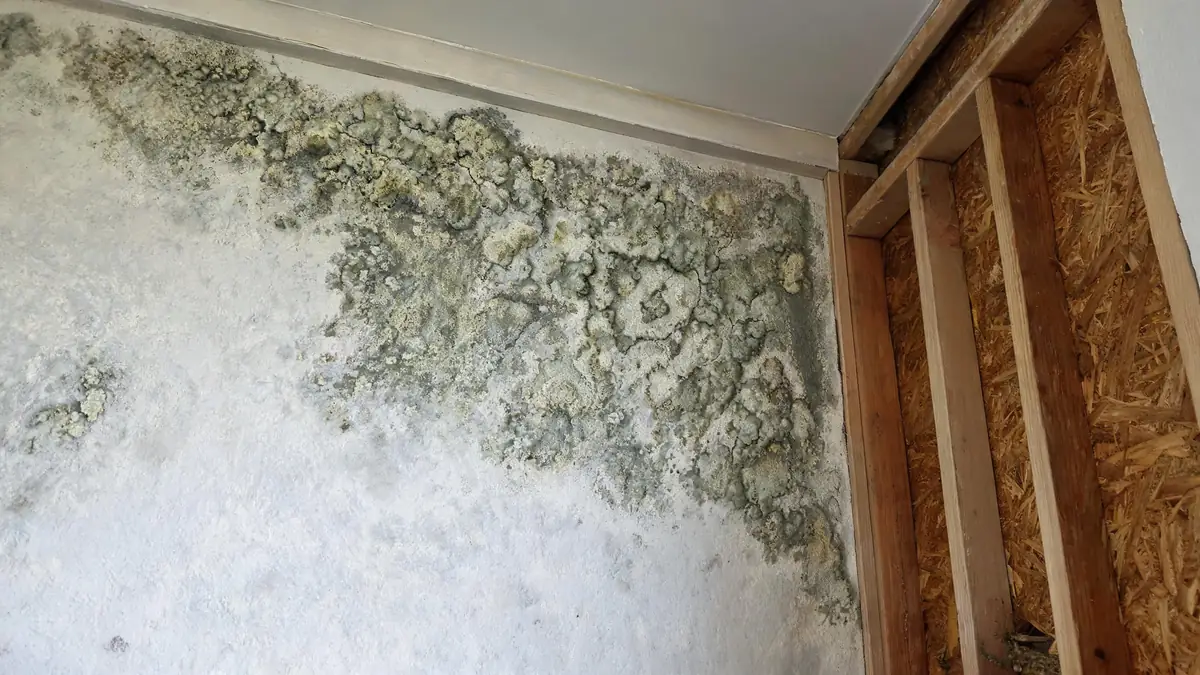
The 9 Warning Signs
1. A musty, earthy smell
This is the number one sign. Growing mold gives off gases that smell stale, damp, or like wet cardboard. The smell is often strongest when a room has been closed up, when the air conditioning starts, or after rain. If you have a musty smell but no visible mold, growth is likely behind a surface nearby.
2. Water stains on ceilings or walls
Yellow or brown rings mean water got in at some point. The question is whether it dried fast enough. A stain under a bathroom, below a roof valley, or near a chimney deserves a closer look, even if the leak was "fixed."
For how this plays out locally, see Mold Remediation Gettysburg PA.
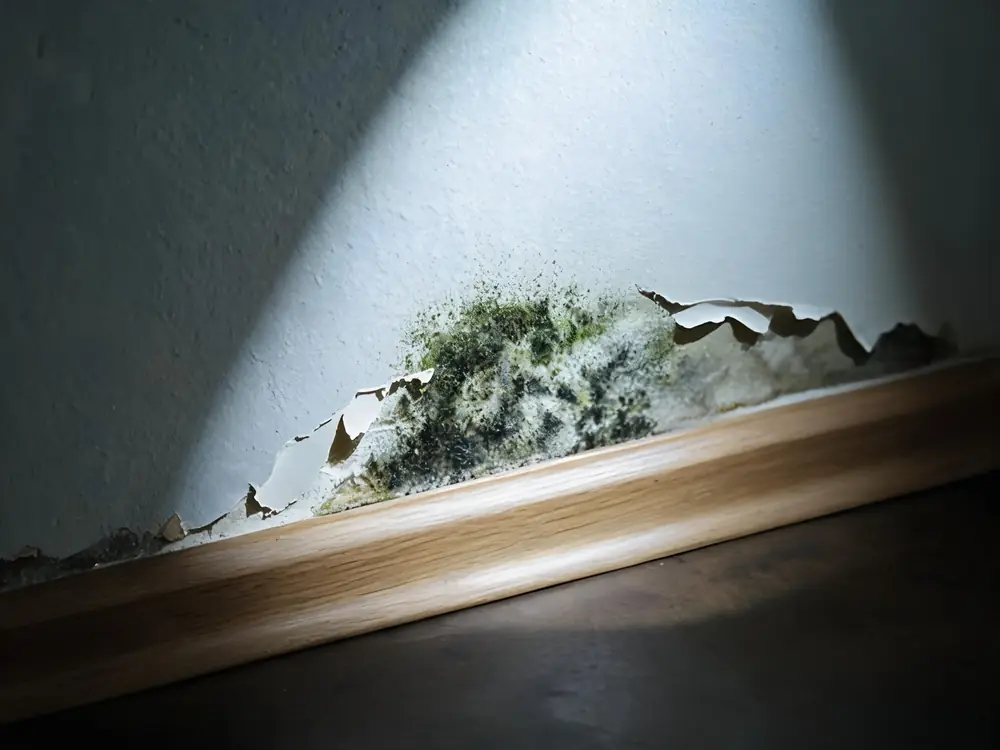
3. Peeling, bubbling, or cracking paint
When moisture gets behind paint or wallpaper, it loses its grip. Bubbles, blisters, or peeling on an interior wall usually mean the wall is damp from behind. In older homes with plaster, this often shows up near exterior walls and windows.
4. Warped, soft, or stained wood
Baseboards that pull away from the wall, floorboards that cup, or trim that feels soft are signs of long-term moisture. Dark staining at the bottom of door frames or cabinets can point to a slow leak.
5. Condensation that won't quit
Frequent fog on windows, sweating cold water pipes, or damp ductwork in summer mean the air holds too much moisture. The EPA recommends keeping indoor relative humidity below 60%, ideally 30% to 50%. Consistent readings above that invite mold.
6. A damp basement or crawl space
Many Gettysburg homes sit on fieldstone or rubble foundations that let ground moisture through. A basement that smells damp, has white powder (efflorescence) on the walls, or has rusty metal is a mold-friendly space, even if you don't see growth yet.
7. A past leak or flood that was dried with fans only
Fans dry surfaces, not the inside of walls. If a pipe burst, a toilet overflowed, or the basement took water and nobody checked inside the wall cavity, hidden growth is common. This is especially true after the kind of heavy late-summer storms central Pennsylvania gets.
8. Symptoms that improve when you leave
According to the CDC, mold exposure can cause stuffy nose, wheezing, and red or itchy eyes or skin in sensitive people. If these symptoms ease when you're away from home, the house could be a factor. Talk with your doctor about any health concerns.
9. Mold in one spot you can see
A small patch on a closet wall or behind a dresser is often the visible edge of a bigger problem. Mold on the surface of drywall may be growing on the paper backing too. If one spot keeps coming back after cleaning, the moisture source hasn't been fixed.
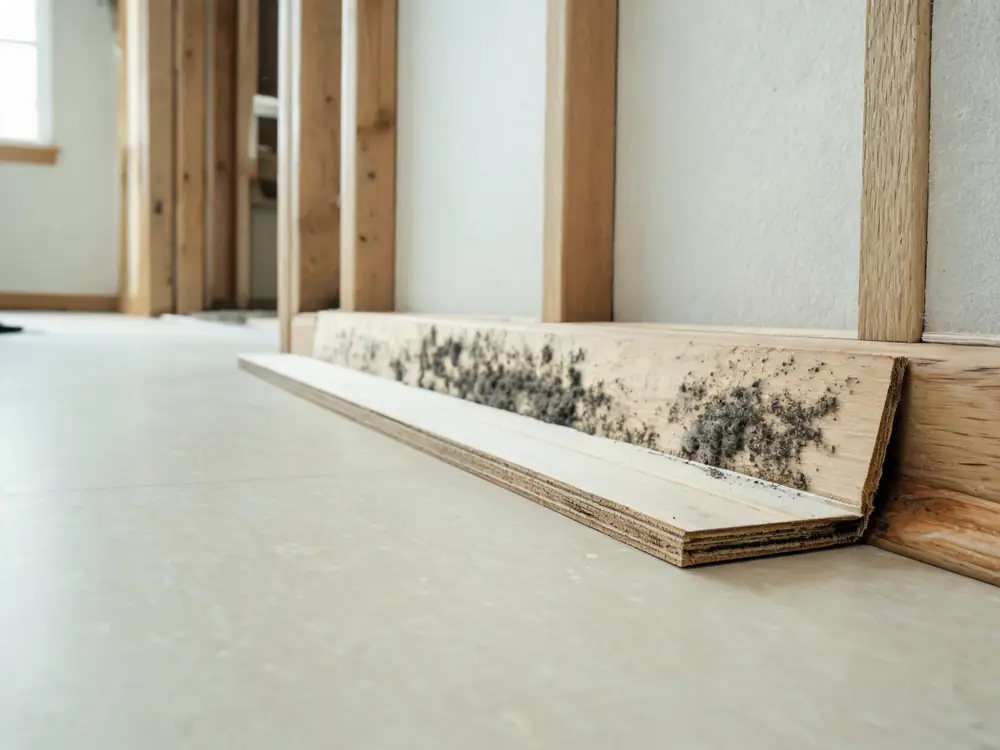
Where Hidden Mold Grows Most Often
| Location | Common moisture source | What to look for |
|---|---|---|
| Behind bathroom walls | Shower leaks, failed grout, poor ventilation | Soft drywall, loose tile, stains in the room below |
| Under kitchen sinks | Slow drain or supply line leaks | Swollen cabinet floor, musty cabinet smell |
| Attic sheathing | Bath fans vented into the attic, poor ventilation | Dark staining on roof boards, frost in winter |
| Basement walls and joists | Ground moisture, high summer humidity | Efflorescence, damp smell, fuzzy spots on wood |
| Crawl spaces under additions | Bare soil, no vapor barrier | Damp insulation, sagging floor above |
| HVAC system | Condensation at the coil or drain pan | Smell when the system starts, dirty vents |
| Behind finished basement walls | Foundation moisture trapped by framing | Stains at the base of walls, carpet odor |
Why Gettysburg Homes Hide Mold Well
Older homes in the Gettysburg Historic District were built long before modern moisture control. Stone foundations wick water. Plaster can stay firm while the lath behind it is damp. Later additions often sit over crawl spaces with bare dirt floors. And many attics have bathroom fans vented straight into them instead of outside.
Add about 43 inches of yearly precipitation, humid Julys and Augusts, and freeze-thaw winters that can burst pipes in unheated spaces, and you get plenty of chances for water to get into places no one looks.
What to Do If You Notice These Signs
- Find and stop the water. Check under sinks, around toilets and tubs, along the foundation, and in the attic.
- Lower the humidity. Run a dehumidifier in the basement and use bathroom fans that vent outside.
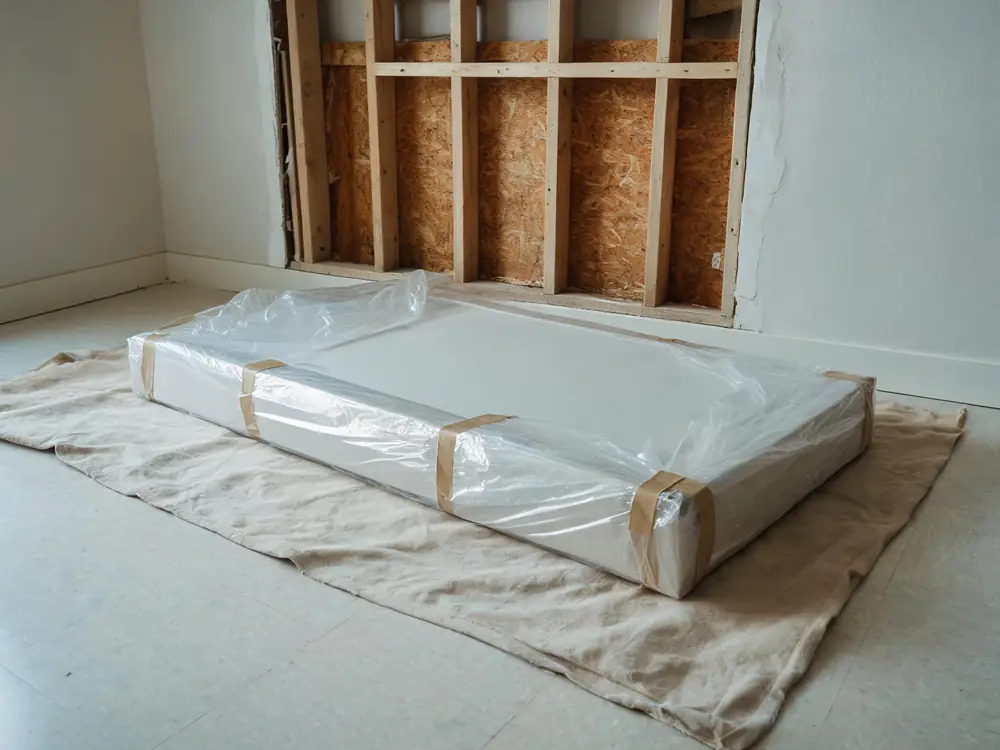
- Don't tear into walls yourself. Opening a moldy wall without containment can spread spores through the house.
- Skip the store test kit. It will almost always grow something and won't tell you where the problem is.
- Get an inspection if the smell persists, the area is larger than about 10 square feet, or you can't find the source.
The EPA's Brief Guide to Mold, Moisture, and Your Home has more tips for controlling moisture.
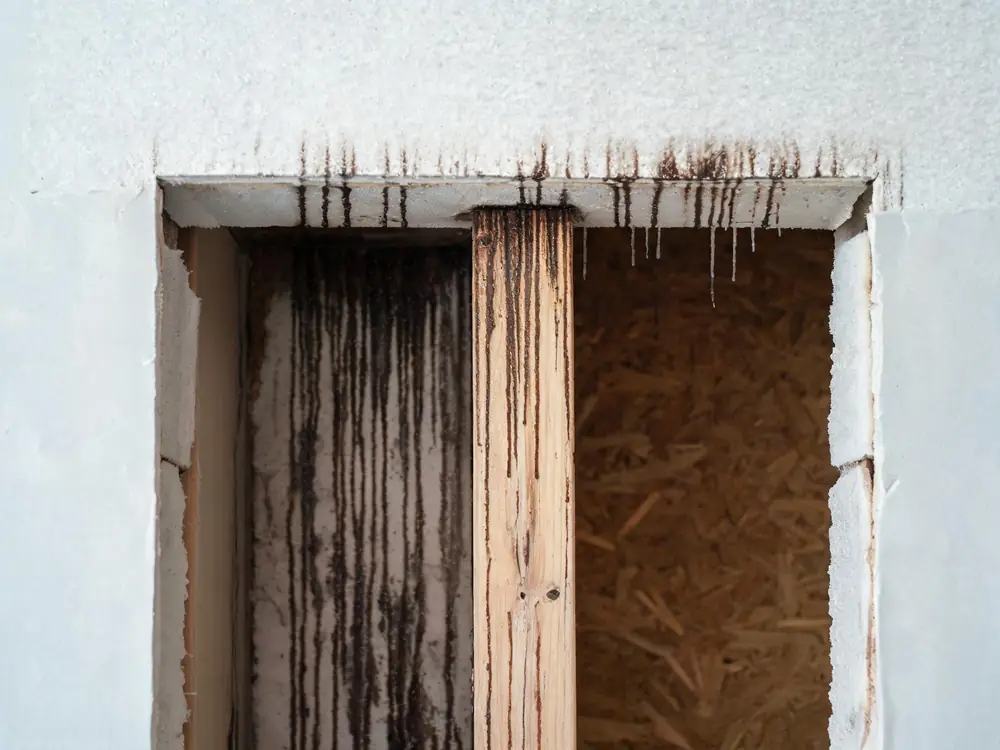
When to Call a Professional
If you're seeing two or more of these signs, or a musty odor won't go away, schedule professional mold inspection and testing. We use moisture meters and thermal imaging to find wet materials behind walls and floors, then sample only where it helps. Call (717) 420-8919, 24 hours a day.
This sits inside a bigger picture, covered in What Permanently Kills Mold? (And What Doesn't).