Mold guide
Mold in Carpet: When to Clean It and When to Replace It
Carpet with mold growing in the backing or pad usually needs to be replaced, because porous materials are very hard to clean all the way through. Carpet that got wet with clean water and was dried within 24 to 48 hours can often be saved. The type of water, how long it sat, and whether the pad was soaked decide which way it goes.

By Dale Hoffman, Remediation Lead
Published
Why Carpet Is Hard to Save Once Mold Grows
Carpet is a layered, porous system. The face fibers sit on a primary backing, which is glued to a secondary backing. Under that sits a pad, usually foam or fiber, which works like a sponge.
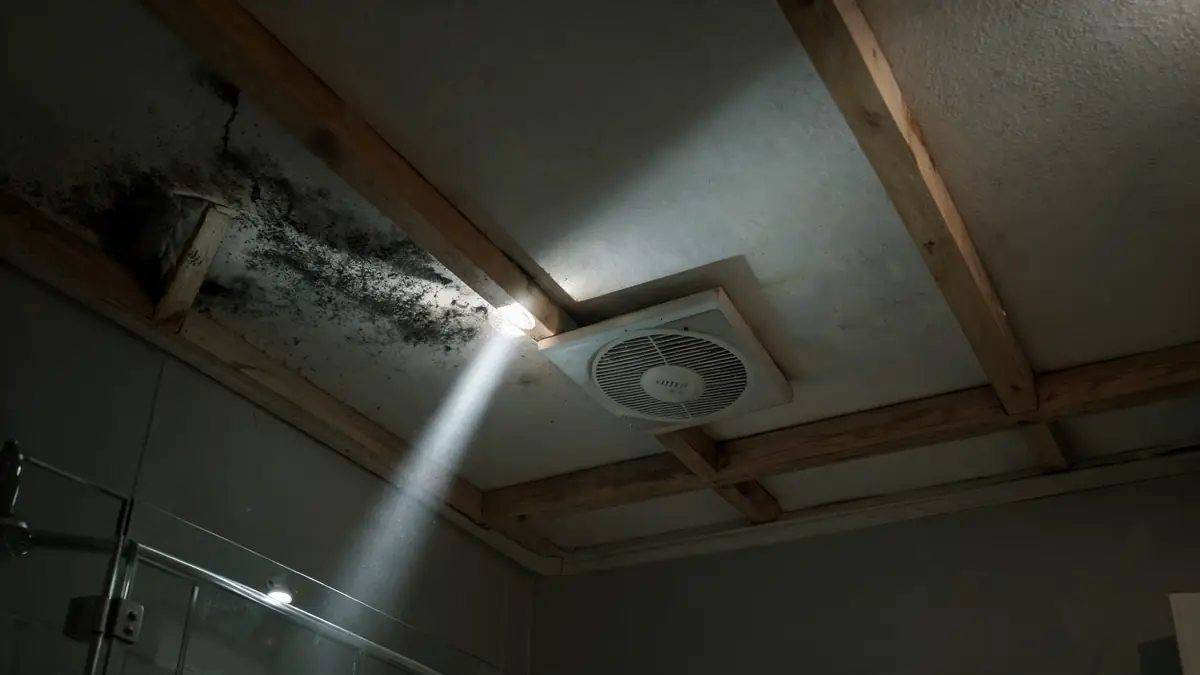
When water soaks through, it settles in the backing and pad, where air cannot reach it. The top of the carpet may feel dry while the pad stays wet for days. That hidden, damp layer is where mold usually starts.
The EPA says absorbent materials such as carpet may have to be thrown away if they become moldy, because mold can grow into the spaces and crevices of porous materials. Surface cleaning reaches the fibers. It does not reach mold growing in the pad or on the back of the carpet.
The Type of Water Matters: IICRC Categories 1, 2 and 3
The IICRC S500 water damage standard sorts water into three categories by contamination. The category is one of the biggest factors in whether carpet can be saved.
| Category | What it is | Common sources | Typical carpet decision |
|---|---|---|---|
| Category 1 | Clean water from a sanitary source | Broken supply line, overflowing sink with clean water | Carpet can often be dried and saved if caught fast; pad sometimes replaced |
| Category 2 | Water with significant contamination that could make people sick | Washing machine or dishwasher overflow, toilet overflow without feces, sump overflow | Pad usually replaced; carpet sometimes cleaned and saved |
| Category 3 | Grossly contaminated water | Sewage backup, flood water from rivers and streams | Carpet and pad removed and discarded |
Category 3 water can contain pathogens and other harmful agents. The IICRC's 2026 statement on weather-related water damage clarifies that wind-driven rain and other weather events are not automatically Category 3. The category depends on what the restorer finds on site.
Clean water does not stay clean
Water category can get worse with time. Clean water that sits in a carpet for days picks up dirt, bacteria and whatever was in the pad and subfloor. A Category 1 leak left alone can become a Category 2 problem. That is one more reason speed matters.
In the Gettysburg area, Category 3 carpet losses usually come from sewer backups or from flooding along Rock Creek, Marsh Creek and smaller streams. Our guide to mold after flooding covers flood cleanup in more detail.
Clean or Replace: A Decision Guide
Usually safe to clean or dry
- Clean water, found and extracted within 24 to 48 hours
- Carpet that dried fully with no musty smell and no stains on the backing
- Small washable or professionally cleanable area rugs with surface mildew only
- Carpet in a dry room with light growth on the face fibers from a one-time spill
Usually needs replacement
- Visible mold on the back of the carpet or on the pad
- A musty smell that returns after cleaning and drying
- Any contact with sewage or outdoor flood water
- Carpet or pad that stayed wet for more than about two days
- Delamination, where the backing separates from the face
- Pad that was soaked by anything other than clean water
- Wall-to-wall carpet in a basement with ongoing humidity problems
When in doubt, pull back a corner. Lift the carpet at a tack strip near the wet area and look at the backing, the pad and the subfloor. Dark spotting, white fuzz, staining or a strong odor under the carpet tells you more than the top surface ever will.
Why steam cleaning is not a fix for rooted mold
Hot water extraction cleans carpet fibers well. On moldy carpet, it adds more water to a pad that is already the problem, and it does not reach the back of the carpet or the subfloor.
Sprays and deodorizers have the same limit. They can cover the smell for a while, but the growth underneath keeps going. If the odor comes back within days of cleaning, the mold is still there.
Area rugs vs. wall-to-wall carpet
Area rugs are easier to save. They can be taken outside, dried on both sides and sent to a rug cleaner that washes the whole rug. Valuable or antique rugs are worth a specialist's opinion.
Wall-to-wall carpet is glued to its backing and stretched over a pad, so it cannot be washed through. Once mold roots in it, replacement is usually cheaper than trying to save it.
What Can Usually Be Saved
Even when carpet and pad go, much of the floor system usually stays.
- Concrete slabs can be cleaned, HEPA vacuumed and dried.
- Plywood and OSB subfloors can often be cleaned and dried if they are solid. Swollen, delaminated or soft sections are replaced.
- Tack strips are cheap and are usually replaced with the carpet, especially after dirty water.
- Baseboards made of solid wood can often be cleaned. MDF baseboards that swelled are replaced.
- Furniture with hard surfaces can be cleaned. Upholstered pieces that sat in dirty water often cannot.
Lower drywall needs a separate look. Water wicks up drywall from wet carpet, and mold often starts on the back of the drywall where you cannot see it. Our guide on saving moldy belongings covers furniture and contents.
How to Handle Wet Carpet in the First 48 Hours
- Stop the water. Shut off the supply, fix the sump or wait out the storm before you start drying. Our guide to sump pump failure and mold covers basement floods.
- Identify the water type. If it may be sewage or flood water, stay out and call a professional.
- Extract. Use a wet vacuum or rent an extractor. The EPA's remediation guide lists water extraction vacuums for wet carpet and backing, along with dehumidifiers and fans.
- Lift and float. Pull the carpet off the tack strip and lift it so air can reach the pad and subfloor. Remove soaked pad if you can.
- Dry hard. Run fans under the carpet and dehumidifiers in the closed room. Keep it going until the pad and subfloor test dry.
- Document. Take photos and video before you remove anything. Your insurer will want them.
The EPA notes its carpet guidance applies to clean water only. For sewage or contaminated water, it advises protective equipment and containment, and warns against running fans before you know the water is clean.

The Cost of Waiting
Wet carpet does not get cheaper to fix with time. Each day of delay adds work and material to the job.
| Time wet | What usually happens | Typical outcome |
|---|---|---|
| Under 24 hours | Water is in the carpet and pad, little else | Extract and dry; carpet often saved |
| 24 to 48 hours | Water wicks into drywall and subfloor; odor starts | Pad often replaced; carpet may be saved |
| 3 to 7 days | Mold likely in pad and backing; drywall wet at the bottom | Carpet and pad replaced; lower drywall checked or cut |
| Weeks or longer | Growth on subfloor, tack strip, drywall and stored items | Full remediation of the room and contents |
Insurance can also hinge on timing. Many policies treat sudden water damage differently from long-term leaks or neglect, and mold coverage is often limited. Our guide to whether homeowners insurance covers mold explains what to ask your agent.
Basement Carpet in Gettysburg Homes
Carpet over a basement slab is one of the most common mold problems in Adams County homes. Slabs run cool and damp in summer, and spring water tables push moisture up from below.
Even without a leak, carpet on a damp slab can grow mold in the pad. If your basement carpet has a musty smell every summer, the problem is likely humidity, not a single water event.
For finished basements, consider hard, water-resistant flooring such as tile, sealed concrete or luxury vinyl, paired with a dehumidifier that keeps humidity below 60%. Our guide to finished basement mold covers the rest of the room. If you are weighing other floor types, see mold under hardwood, laminate and vinyl.
When to Call a Professional
Call if the water was dirty, sewage or flood water, if carpet stayed wet more than two days, if you see mold on the backing or pad, or if a musty smell will not go away. Also call if the wet area is larger than about 10 square feet, the rough line the EPA uses for bigger cleanup jobs.
We handle basement mold remediation and water damage and mold restoration across Gettysburg, Adams County and Hanover. We start with a free inspection and moisture readings, then give you a written scope and price before work begins. Call (717) 420-8919, 24 hours a day.