
Mold guide
Types of Household Mold: Aspergillus, Penicillium and More
The most common types of household mold are Aspergillus, Penicillium, Cladosporium, Alternaria, and Stachybotrys, and each tends to show up in different parts of a home. In Gettysburg, where older houses sit on damp stone foundations and summers are humid, we see nearly all of them. Knowing which molds grow where helps you spot the moisture problem behind them.

By Paula Reinhart, Inspection and Testing Lead
Published
Why Species Isn't the First Question
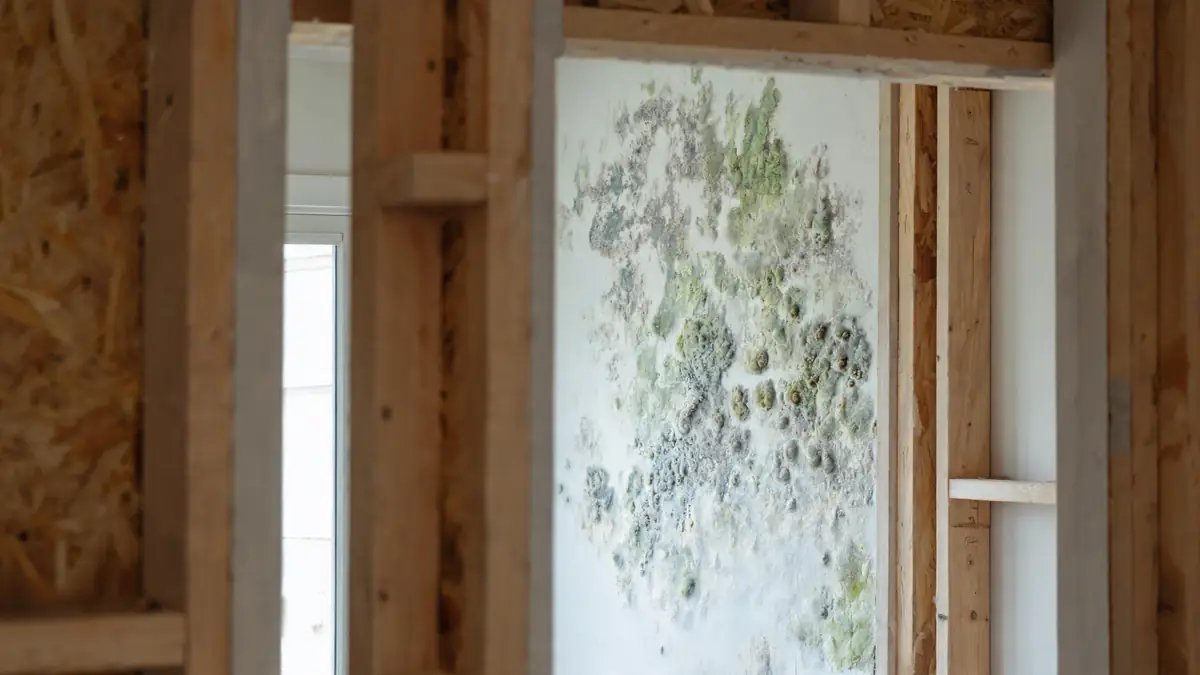
There are thousands of mold species, and spores of many of them are in every home's air all the time. They only become a problem when they land on something damp and start growing. The EPA's advice is the same for every species: fix the moisture, clean or remove the moldy material, and dry the area.
Still, knowing the common types helps. Some molds point to condensation, others to leaks, and others to materials that have been soaked for weeks.
If this is happening in your own home, our local team can walk the property first.
Common Household Molds at a Glance
| Mold | Color and texture | Where it usually grows | What it tells you |
|---|---|---|---|
| Cladosporium | Olive green to black, suede-like | Window sills, caulk, fabrics, HVAC grilles | Condensation or damp surfaces |
| Penicillium | Blue-green, fuzzy | Water-damaged drywall, carpet, wallpaper, food | Recent water damage or leaks |
| Aspergillus | Green, yellow, black, or white; powdery | Dust, walls, insulation, HVAC | Damp air or dusty, humid spaces |
| Alternaria | Dark green to brown, velvety | Showers, tubs, under sinks, window frames | Ongoing splash or drip moisture |
| Stachybotrys | Dark green to black, slimy when wet | Soaked drywall, wood, ceiling tiles | Long-term wetting, a week or more |
| Chaetomium | White turning gray to olive, cottony | Water-damaged drywall, wood, carpet | Long-term leaks or flooding |
| Mucor | White to gray, fluffy, fast-growing | HVAC, damp carpet, near condensation | High humidity or condensation |
Cladosporium
Cladosporium is one of the most common molds found indoors and outdoors. It can grow in cooler temperatures than many molds, so it often shows up on window sills and frames in winter, when warm indoor air meets cold glass. It also grows on fabrics, painted surfaces, and around HVAC grilles where condensation forms. It's dark, so people often mistake it for black mold.
Penicillium
You may know Penicillium from the blue-green mold on old bread. Indoors, it grows on water-damaged materials like drywall, wallpaper, carpet, and insulation. It spreads quickly and often signals a recent leak. Its spores travel easily in the air, so a musty smell can spread through a house.
Aspergillus
Aspergillus is a large group with many species and colors. It's common in household dust and can grow on walls, insulation, and inside HVAC systems when humidity is high. The CDC notes that some Aspergillus species can cause infections in people with weakened immune systems or lung disease. If someone in your home falls into that group, talk to their doctor about mold exposure.
Alternaria
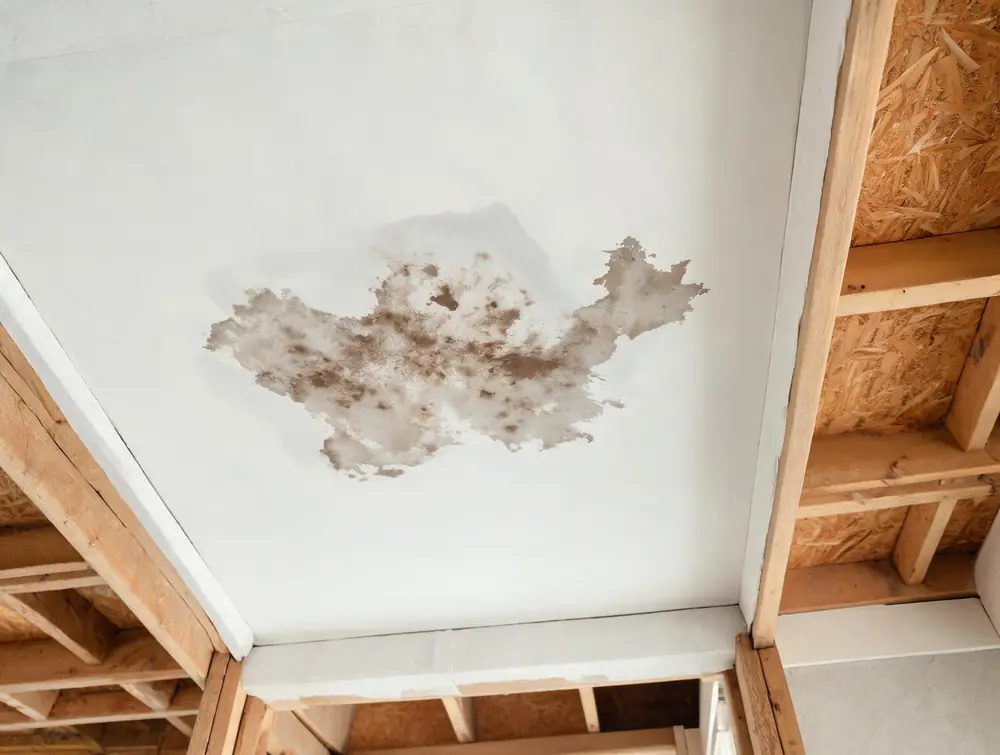
Alternaria is a common outdoor allergen that also grows indoors in damp spots: showers, bathtubs, below leaky sinks, and around window frames. It has a dark, velvety look. Because it's linked to allergies and asthma, it's worth cleaning promptly and fixing the moisture that feeds it.
Stachybotrys (Black Mold)
Stachybotrys chartarum is the mold people mean when they say "black mold." It needs materials to stay wet for a long time, usually a week or more, and feeds on cellulose in drywall paper, wood, and ceiling tiles. It's less common than the molds above, but it signals a serious water problem. We most often find black mold on drywall after slow leaks or basement flooding. For more, read what black mold is.
Chaetomium
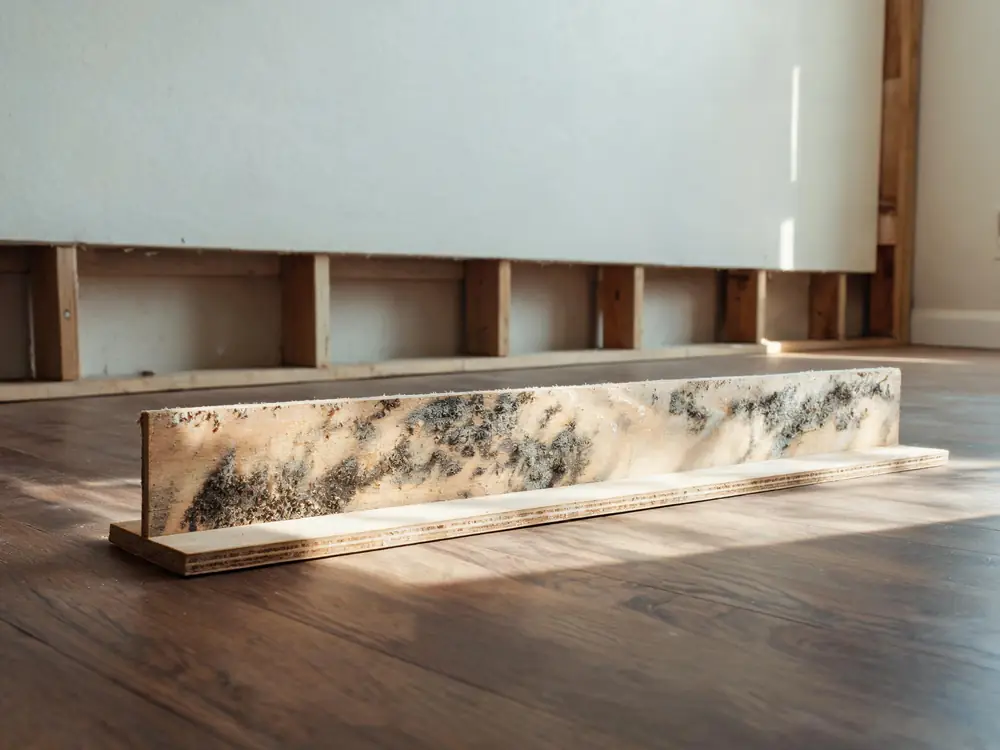
Chaetomium often grows alongside Stachybotrys on drywall and wood that have been wet for a long time, especially after flooding or roof leaks. It starts white and cottony and darkens to gray or olive. It often has a strong musty odor. Finding it usually means the materials need to be removed, not cleaned.
Mucor
Mucor is a fast-growing, fluffy white or gray mold. It shows up around HVAC systems, damp carpet, and areas with heavy condensation. It's a sign that humidity is too high.
Where Each Mold Shows Up in Gettysburg Homes
Local housing and climate shape what we find. Gettysburg gets about 43 inches of precipitation a year, and July and August are humid. The National Weather Service in State College tracks the region's weather.
- Basements on stone foundations: Penicillium, Aspergillus, and Stachybotrys on joists, stored boxes, and drywall placed against damp walls.
- Attics with bathroom fans vented into them: Cladosporium, Penicillium, and Aspergillus on roof sheathing.
- Bathrooms in older homes and student rentals: Alternaria and Cladosporium on caulk, grout, and ceilings.
- Windows in winter: Cladosporium on sills and frames from condensation.
- After storms or burst pipes: Chaetomium and Stachybotrys on wall bottoms and subfloors that weren't dried in time.
Tip: The EPA recommends keeping indoor humidity below 60 percent, ideally 30 to 50 percent. A cheap hygrometer tells you where your basement stands.
Can You Identify Mold Without a Lab?
Not reliably. Color and texture give hints, but many molds look alike, and one colony can change color as it ages. A lab can identify mold from air, swab, or tape samples. Testing is most useful when mold is hidden, when you need documentation, or after remediation to confirm it worked. See our mold inspection and testing service.
The EPA also notes there are no federal limits for mold or spores, so a test result can't tell you whether a level is "safe." It's more useful for comparing indoor air to outdoor air. Learn more at epa.gov/mold.
When to Call a Professional
Whatever the species, call a pro if growth covers more than about 10 square feet, is on drywall or insulation, comes from flood water, or keeps returning. Our black mold removal service in Gettysburg handles all indoor molds with containment, HEPA filtration, and moisture tracking. Call (717) 420-8919, 24 hours a day.
This sits inside a bigger picture, covered in Is Black Mold Dangerous? Exposure Symptoms and Risks.