
Mold guide
What Is Mold Remediation? A Guide for Gettysburg Homeowners
Mold remediation is the professional process of containing, removing, and cleaning up mold growth indoors, then fixing the moisture problem that caused it so the mold does not come back. If you have found mold in a Gettysburg basement, attic, or bathroom, this guide explains what remediation includes, how it differs from a simple cleanup, and when you need a professional.

By Dale Hoffman, Remediation Lead
Published
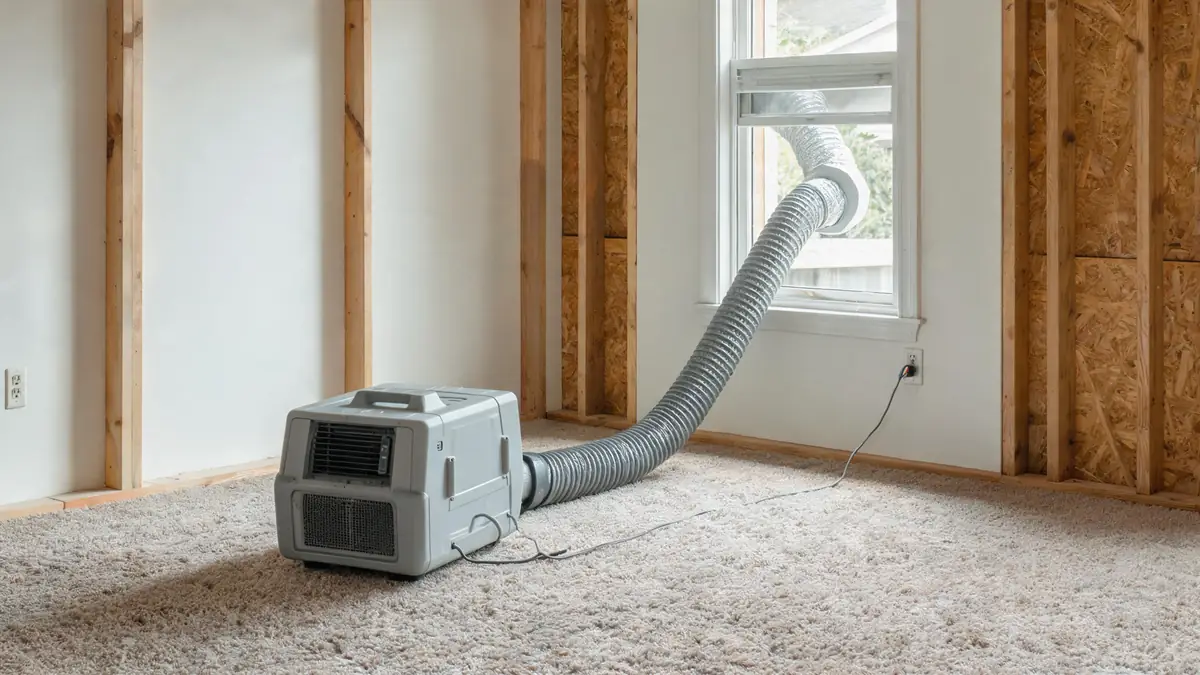
Mold Remediation, Defined
Mold is a fungus that grows on damp organic material like wood, paper, drywall facing, and dust. Its spores float in outdoor air all the time and drift inside through doors, windows, and on clothing. Spores alone are not the problem. Growth happens when spores land on something that stays wet.
This is routine work for our team.
Remediation deals with that growth. The EPA puts it simply: the key to mold control is moisture control. So a real remediation job has two halves. One half removes the mold that is there. The other half stops the water that let it grow.
The industry standard for this work is the IICRC S520 Standard for Professional Mold Remediation. It lays out how to assess a job, how much containment to use, how to remove and clean materials, and how to verify the space is clean.
What a Mold Remediation Job Includes
Every job is different, but most follow the same sequence:
- Assessment: find the mold, measure moisture in surrounding materials, and identify the water source.
- Containment: seal off the work area with plastic sheeting so spores and dust stay put.
- Air filtration: run HEPA air scrubbers to create negative air pressure and capture airborne spores.
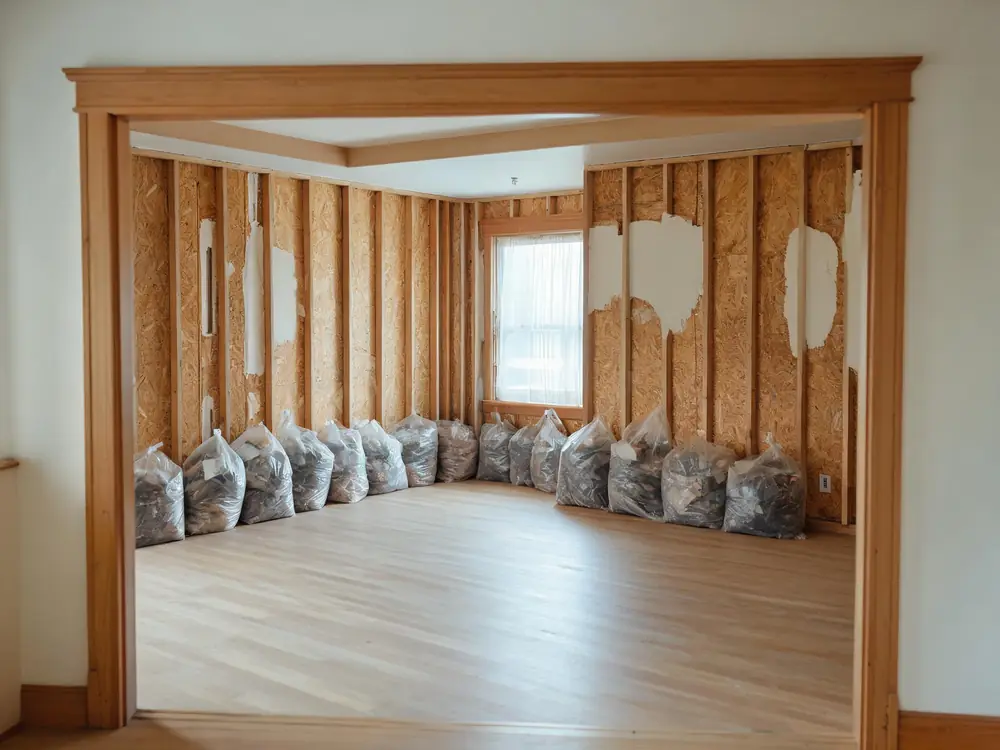
- Removal: cut out and bag porous materials with growth, such as drywall, insulation, and carpet.
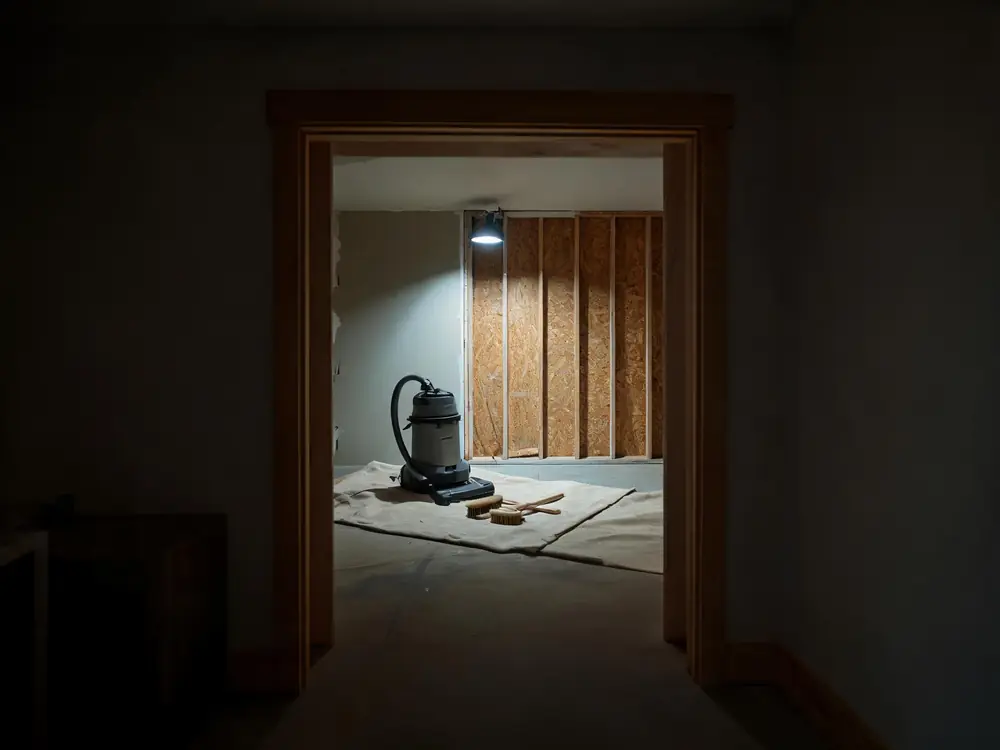
- Cleaning: HEPA vacuum and damp wipe framing, concrete, and other hard surfaces.
- Drying: use dehumidifiers and air movers to bring materials back to normal moisture levels.
- Verification: a visual check and, when useful, clearance testing before walls are closed up.
- Repair: fix the leak or humidity problem and rebuild what was removed.
You can see how we handle each of these stages, with detail on timing and equipment, in our mold remediation process.
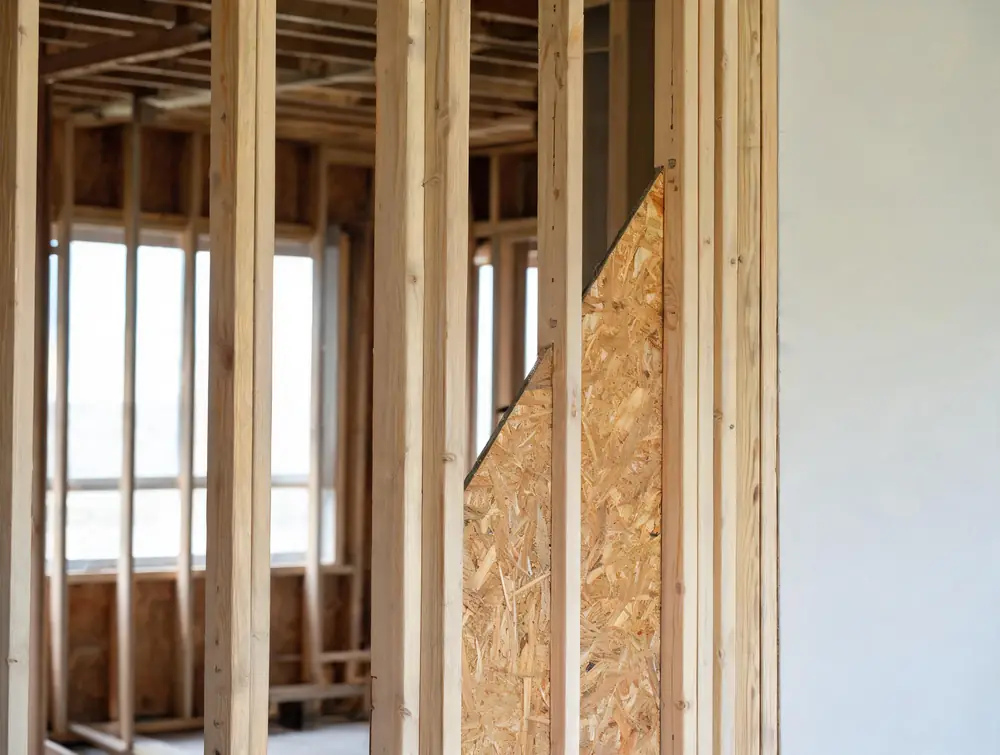
Remediation vs. Cleaning vs. Removal
These words get mixed up, and that confusion can cost you. Wiping a small spot of mildew off a window frame is cleaning. Remediation is a controlled process for larger or hidden growth. "Removal" is often used in ads to suggest every spore will be eliminated, which no one can promise. We break down the terms in mold removal vs. mold remediation.
| Approach | What it does | When it fits |
|---|---|---|
| Surface cleaning | Scrubs visible growth off hard surfaces | Small spots on tile, glass, or sealed wood |
| DIY cleanup | Homeowner removes small patches with PPE | Under about 10 sq ft, per EPA guidance |
| Professional remediation | Contains, removes, cleans, dries, verifies | Larger areas, hidden mold, HVAC, flood water |
Why Killing Mold Is Not Enough
Many people reach for bleach. The trouble is that dead mold is still an allergen. The CDC notes mold exposure can cause stuffy nose, wheezing, and itchy eyes or skin in sensitive people, and dead spores and fragments can still trigger those reactions. That is why remediation focuses on removing growth, not just killing it.
Bleach also does not soak into porous materials like drywall or wood well, so mold roots, called hyphae, can survive below the surface. Removing the material, or sanding and cleaning it, is more reliable.
When Do You Need Professional Mold Remediation?
The EPA's rule of thumb is about 10 square feet. If the moldy area is smaller than that, roughly a 3 by 3 foot patch, you can often clean it yourself with gloves, goggles, and an N95 respirator. Call a professional when:
- The growth is larger than about 10 square feet.
- Mold is inside walls, under floors, or in the attic.
- Your heating or air conditioning system may be contaminated.
- The water came from a sewer backup or outdoor flooding.
- Someone in the home has asthma, allergies, or a weakened immune system. See a doctor about any health concerns.
Mold Remediation in Gettysburg Homes
In Gettysburg, the causes tend to repeat. Stone and fieldstone foundations in the historic district let ground moisture seep through. Attics in older homes often have limited ventilation, and bathroom fans sometimes vent right into them. With about 43 inches of precipitation a year and humid summers, basements can stay above 60% humidity for weeks unless a dehumidifier runs. Good remediation here almost always includes a moisture fix, such as regrading, gutter work, a sump pump, or a dehumidifier.
Mold can begin to grow on wet materials within 24 to 48 hours. If you have had a leak or flooding, act fast. Our guide on how fast mold grows after water damage explains the timeline.
When to Call a Professional
If mold covers more than a small patch, keeps coming back, or you smell it but cannot find it, it is time for help. Start with an inspection to find the source, then a written plan. Learn how we work in our mold remediation process, or call us 24 hours a day at (717) 420-8919.
That is the job covered by our how our remediation process works service.