
Mold guide
Bathroom Mold Removal Cost: Typical Prices
Bathroom mold removal cost ranges from a few dollars in cleaning supplies for mildew on grout to $500 to $1,500 for professional removal of a small area, and more when mold has reached the subfloor or wall framing. In Gettysburg, where many older bathrooms have weak fans vented into the attic, the price often depends on whether the moisture problem is fixed along with the mold.

By Dale Hoffman, Remediation Lead
Published
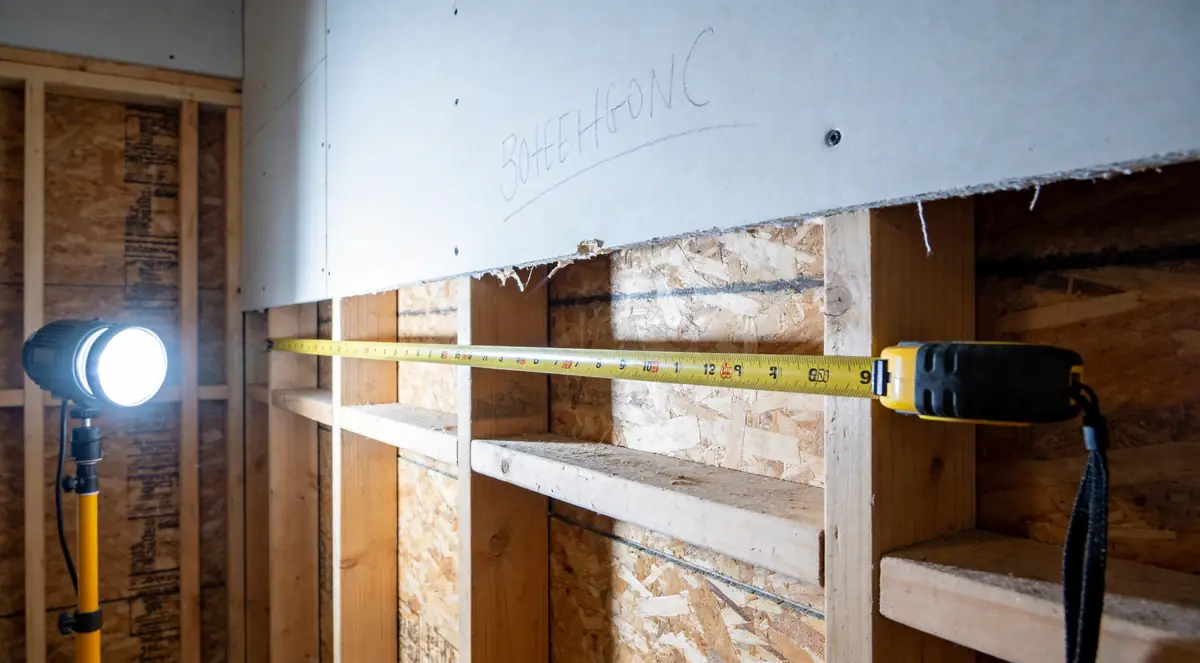
Bathroom Mold Removal Costs by Job Type
| Job | Typical cost level | What is involved |
|---|---|---|
| Cleaning mildew on grout and caulk | DIY, supplies only | Scrub with detergent, dry, improve ventilation |
| Re-caulking a tub or shower | DIY or a small handyman charge | Remove old caulk, clean, dry, apply new mildew-resistant caulk |
| Regrouting a shower | Low to moderate | Remove stained grout, clean, regrout and seal |
| Ceiling drywall mold (small area) | $500 to $1,500 professional | Containment, cut out drywall, clean, treat, dry |
| Wall mold behind tub or vanity | Moderate to higher | Open wall, remove drywall and insulation, fix plumbing leak |
| Subfloor rot and mold | Higher | Remove toilet or flooring, replace subfloor, treat joists |
| Fan venting into attic | Adds cost | Clean attic sheathing near fan, reroute duct outside |
For reference, national guides put the average professional mold remediation job at roughly $1,200 to $3,800. Most single-bathroom jobs fall toward the lower end unless the damage has spread behind walls or under the floor.
This is routine work for our local team.
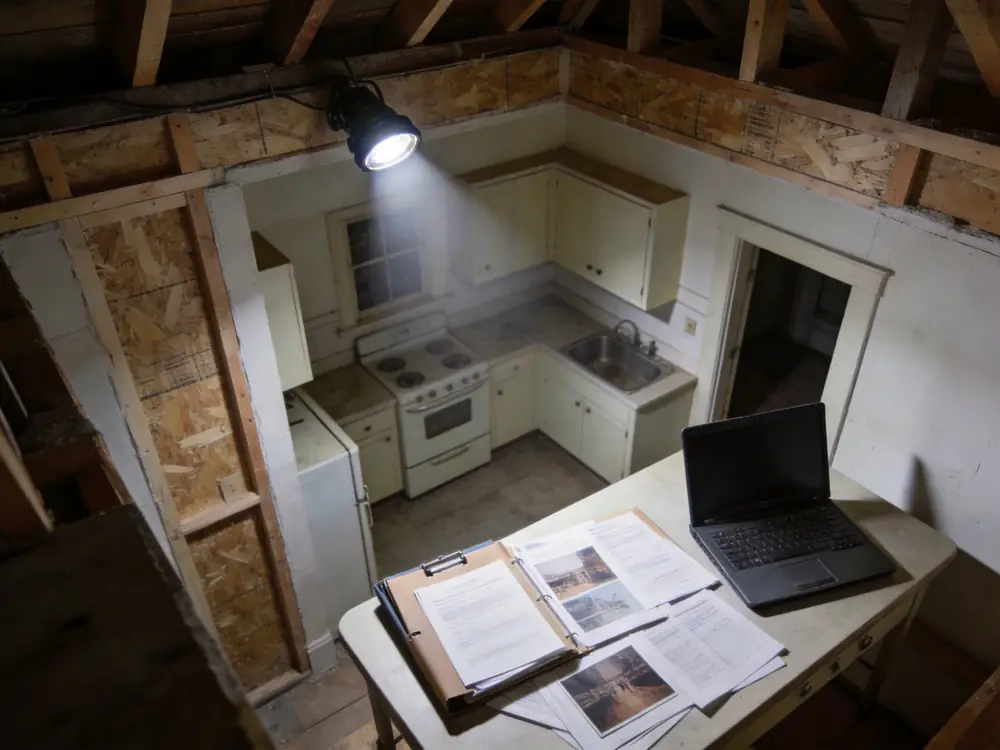
What Drives the Price
- Area: A 2 square foot patch on the ceiling costs far less than a whole tub wall.
- Material: Tile and porcelain can be cleaned. Drywall, wood subfloors and insulation usually must be removed when moldy.
- Hidden leaks: A slow drip from a shower valve or toilet seal can rot the wall or floor for months before you see it.
- Ventilation fixes: Replacing a weak fan or rerouting it outdoors adds cost but prevents repeat problems.
- Rebuild: New drywall, tile, paint or flooring after removal.
Signs the Problem Is More Than Surface Mildew
- Mold comes back within weeks after cleaning.
- Drywall near the tub or shower feels soft or bulges.
- Grout keeps cracking or tiles feel loose.
- The floor near the toilet is soft or stained.
- A water stain appears on the ceiling below the bathroom.
- A musty smell lingers after the room dries.
How to Keep Costs Down
- Run the exhaust fan during showers and for at least 20 minutes after.
- Make sure the fan vents outside, not into the attic.
- Squeegee walls and doors after showering.
- Fix drips and replace failing caulk promptly.
- Keep indoor humidity below 60%, ideally 30% to 50%, as the EPA recommends.
The EPA also notes that mold can grow within 24 to 48 hours on wet materials, so a leak caught early is much cheaper to fix.
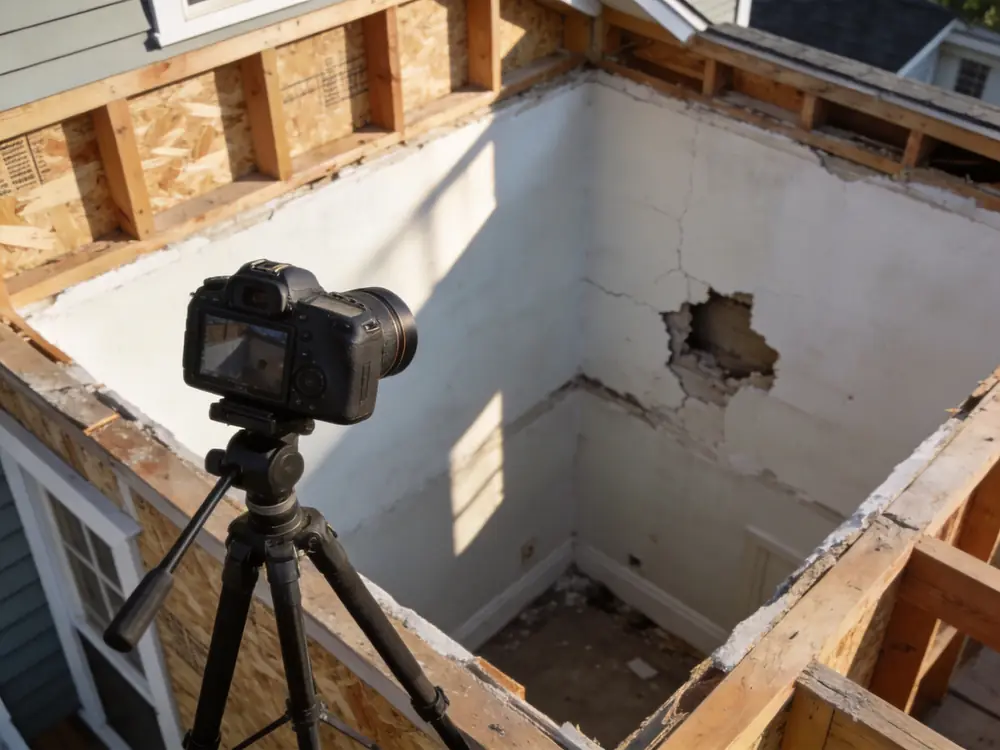
Will Insurance Pay for Bathroom Mold?
Usually not for mildew from shower steam or a slow leak, which policies typically treat as maintenance. Mold that follows a sudden event, like a burst supply line, may be covered depending on your policy. Our guide on does homeowners insurance cover mold explains the common rules. This is general information, so check with your insurer or agent about your coverage.
Bathroom Mold in Gettysburg Homes
Many Gettysburg homes were built long before modern bathrooms, and baths were often added into closets, back porches or upstairs bedrooms. That leads to fans with short or missing ducts, plumbing on exterior walls that can freeze in winter, and plaster ceilings that hold moisture. Humid July and August weather makes it harder for bathrooms to dry between showers. These details can move a job from a simple cleanup into a ventilation or plumbing repair.
When to Call a Professional
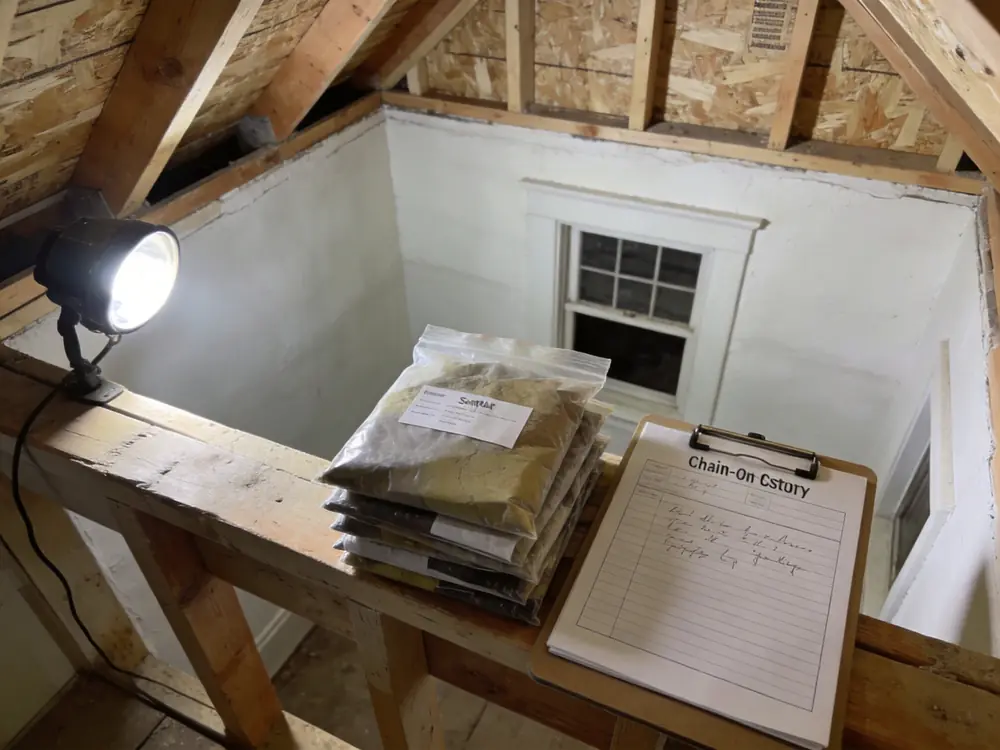
Call a professional when bathroom mold covers more than about 10 square feet, keeps returning, has soaked into drywall, or comes with soft floors or ceiling stains. We find the moisture source, remove the mold with containment and HEPA filtration, and give you an itemized estimate before work begins. See our full guide to mold remediation cost in Gettysburg, or call (717) 420-8919.
If you are working through this from the beginning, see 7 Factors That Affect Mold Remediation Cost.