Mold guide
How Much Does Mold Testing Cost in Gettysburg, PA?
Mold testing cost in Gettysburg, PA usually lands somewhere between a few hundred dollars for a small home with one or two samples and about $1,000 for a larger home with several air and surface samples. The biggest price drivers are the number of lab samples, the size of the home, and how fast you need results. Final pricing is set after we know what you need checked.

By Paula Reinhart, Inspection and Testing Lead
Published
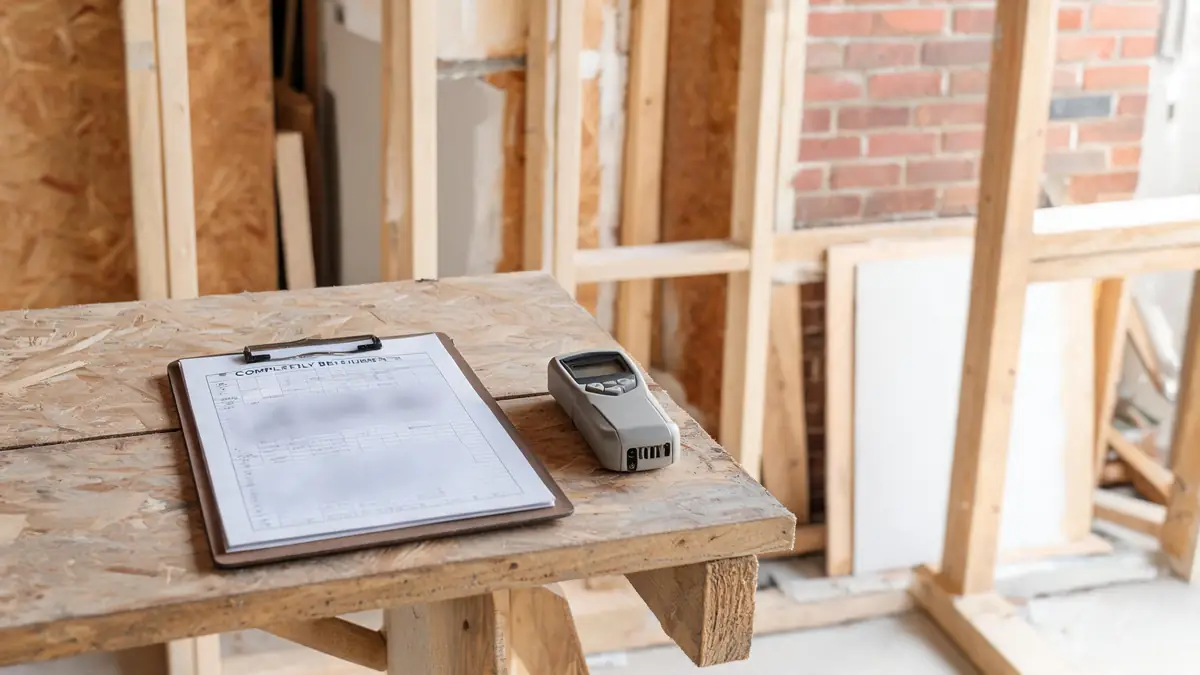
Typical Mold Testing Price Ranges
These are typical ranges drawn from national cost guides and common lab pricing. They're a starting point for budgeting, not a quote. Your price depends on your home.
| Service | Typical range | What you get |
|---|---|---|
| DIY settle-plate kit | About $10 to $50, plus lab fee if you mail it in | A plate that almost always grows something |
| Visual inspection with moisture mapping only | Low hundreds | Moisture readings, photos, source findings |
| Inspection plus 2 to 3 air samples | Roughly $300 to $600 | Indoor vs. outdoor spore counts and types |
| Larger home or multiple problem areas | Roughly $600 to $1,000+ | More samples, more areas, longer report |
| Post-remediation clearance test | Similar to an inspection with air samples | Proof the work area is back to normal |
What You Pay For
A mold test bill has three parts. Knowing them helps you compare quotes line by line.
When it is past the point of a bucket and a fan, our crew can scope the job.
1. The inspector's time
A thorough visit covers the basement, crawl space, attic, bathrooms, and any room with a complaint. That typically takes two to three hours on site, plus time to write the report. Tight crawl spaces under additions and low attics in older Gettysburg homes can add time.
2. Lab fees
Each air or surface sample is analyzed separately by the lab. Air testing always includes at least one outdoor sample so indoor numbers have something to be compared against. A typical home might need one outdoor sample and two or three indoor samples. Rush processing costs extra.
3. The report
A good report includes photos, moisture readings, lab results, and a plain-language explanation of what they mean. If you're getting a price that seems low, ask whether you get the full lab report or just a summary.
Factors That Raise or Lower the Price
- Number of samples. This is the biggest variable. A good inspector takes only the samples needed to answer your question.
- Sample type. Air, tape lift, swab, wall cavity, and bulk samples each have their own lab fee. Our guide to air vs. surface mold sampling explains when each one makes sense.
- Home size and layout. A 1,200-square-foot rancher costs less to inspect than a three-story brick house with a fieldstone basement and a crawl space under the kitchen.
- Access. Hatches that are painted shut, crawl spaces with 18 inches of clearance, or finished basements with drop ceilings take more time.
- Turnaround. Buyers on an inspection contingency often pay for faster lab results.
- Purpose. A clearance test after remediation or a real estate inspection may call for more detailed documentation.
When Testing Is Worth Paying For
Testing is worth the cost when the result will change a decision. In our experience, those situations are:
- A persistent musty odor with no visible growth.
- A suspicious stain that could be mold, soot, or dirt.
- A home purchase, where lab documentation supports your negotiation.
- Clearance after remediation, to confirm the job worked.
- A landlord or tenant situation where written records matter.
It's usually not worth paying for testing when growth is visible, when the leak is obvious, or when you just want to know "if there's mold in the air." There always is. Mold spores are a normal part of outdoor and indoor air.
Why DIY Kits Aren't a Bargain
A $15 settle plate looks like a cheap answer. The problem is that it has no outdoor comparison, no volume measurement, and no inspector to put the result in context. Nearly every plate grows something, which leads to worry and sometimes to paying for remediation you don't need. Many kits also charge a separate lab fee to identify what grew, which adds up fast.
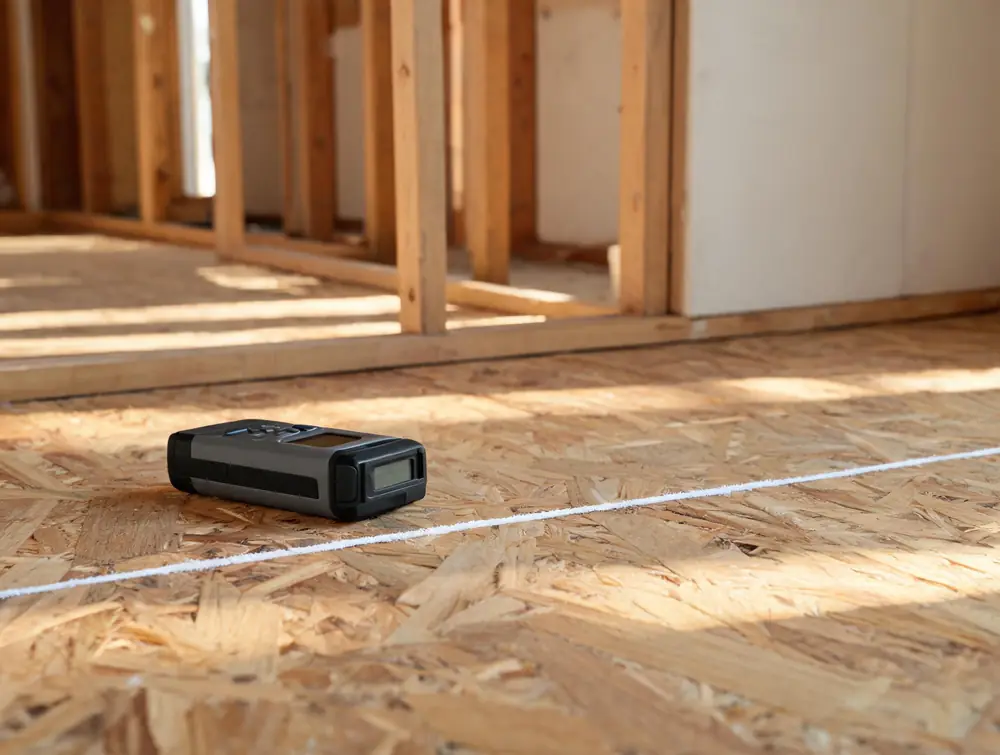
How Testing Cost Compares to Remediation Cost
A test is a small expense next to a repair. Local reference ranges for remediation are typically $500 to $1,500 for a small area under 10 square feet, $1,500 to $6,000 for a basement or crawl space, and $10,000 to $30,000 or more for whole-home projects. Our full guide to mold remediation cost in Gettysburg explains what drives those numbers. A good inspection helps keep remediation scope accurate, so you don't pay to remove materials that are fine or miss areas that aren't.
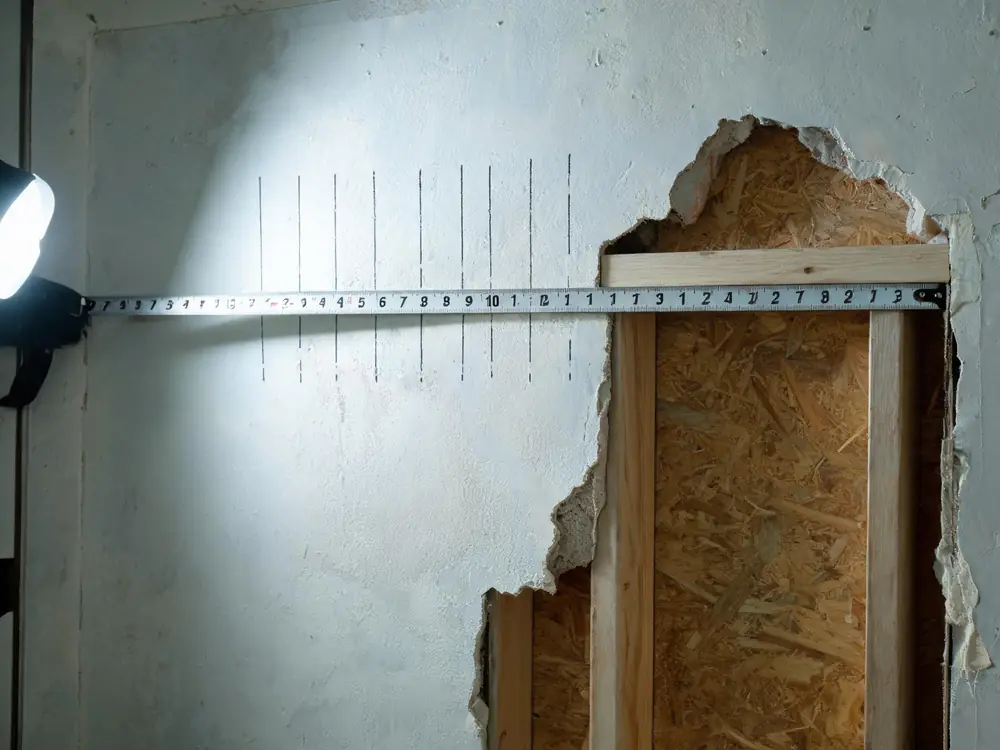
Gettysburg Factors That Affect Testing
Gettysburg's humid summers and about 43 inches of yearly precipitation keep many basements damp from June through September. Outdoor spore counts also climb in late summer and fall, which is why outdoor baseline samples matter so much here. A reading that looks high in September might be normal compared to outside air that same day.
When to Call a Professional
If you've got a lingering odor, water damage that wasn't fully dried, or a home purchase coming up, schedule professional mold inspection and testing. We'll explain which samples are needed, and why, before we take any. Call (717) 420-8919, 24 hours a day, for a quote.
This one comes up on more than one kind of job: mold inspection and testing in Gettysburg and what mold remediation costs here.
If you are working through this from the beginning, see 7 Factors That Affect Mold Remediation Cost.