
Mold guide
Basement Mold Remediation Cost in Gettysburg, PA (2026)
Basement mold remediation cost in Gettysburg typically falls between $1,500 and $6,000 for a basement or crawl space, with small spots under 10 square feet running about $500 to $1,500. Where your project lands depends on how much area is affected, what materials need to come out, and what it takes to fix the moisture. Final pricing always comes after an inspection.

By Dale Hoffman, Remediation Lead
Published
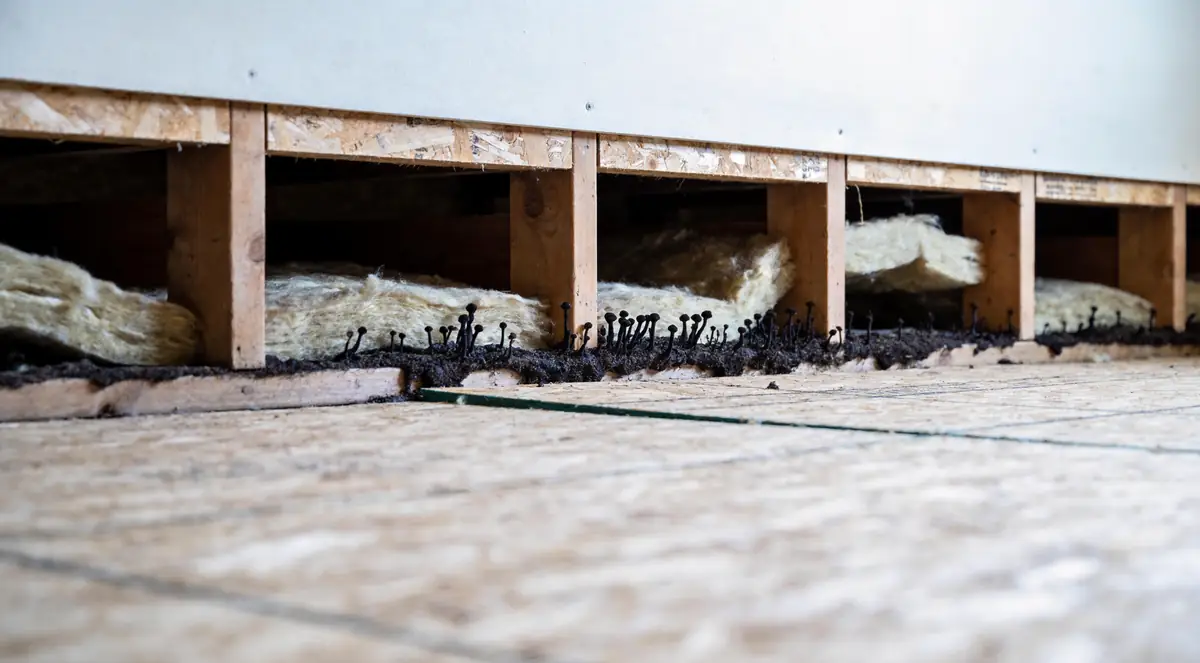
Typical Basement Mold Remediation Price Ranges
These are public reference ranges for Gettysburg and national averages. They are not quotes. Every basement is different, and two jobs of the same size can vary a lot.
| Scope | Typical range | What it usually covers |
|---|---|---|
| Small area, under 10 sq ft | $500-$1,500 | Spot cleaning on a wall or a few joists, limited containment |
| Unfinished basement, moderate growth | Low to middle of the $1,500-$6,000 range | Containment, HEPA cleaning of joists and walls, removal of stored items, dehumidification |
| Heavy growth or finished basement | Upper end of $1,500-$6,000, or more | Drywall, carpet and insulation removal, framing cleaning, drying |
| Whole home (mold spread upstairs) | $10,000-$30,000+ | Multiple rooms, HVAC, larger tear-out |
| National average, professional remediation | About $1,200-$3,800 | Angi/HomeAdvisor-style reference range |
For a broader view that includes other rooms and insurance, see our main page on mold remediation cost in Gettysburg.
If it needs containment and HEPA filtration, our cleanup team handles that.
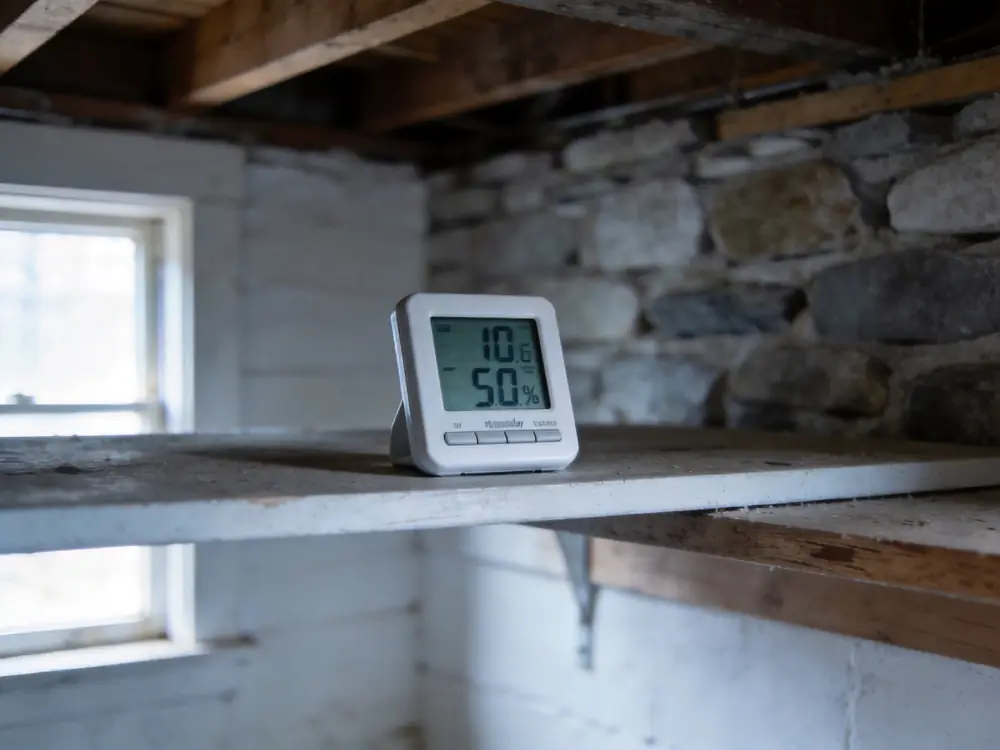
What Drives the Price
Square footage
Size is the biggest single factor. The EPA uses about 10 square feet as the line between a small cleanup and a larger job. Once mold spreads across a full wall or a run of joists, containment, labor and disposal all go up.
Finished vs. unfinished basement
An unfinished basement with bare joists and stone or block walls is the least expensive to treat. A finished basement adds cost because moldy drywall, carpet, pad, insulation and trim must be removed and bagged. Rebuilding after remediation is a separate expense.
How deep the growth goes
Light surface growth on framing can be HEPA vacuumed and scrubbed. Heavy growth across large areas of wood may call for soda or dry ice blasting, which costs more but covers ground faster.
Historic foundations
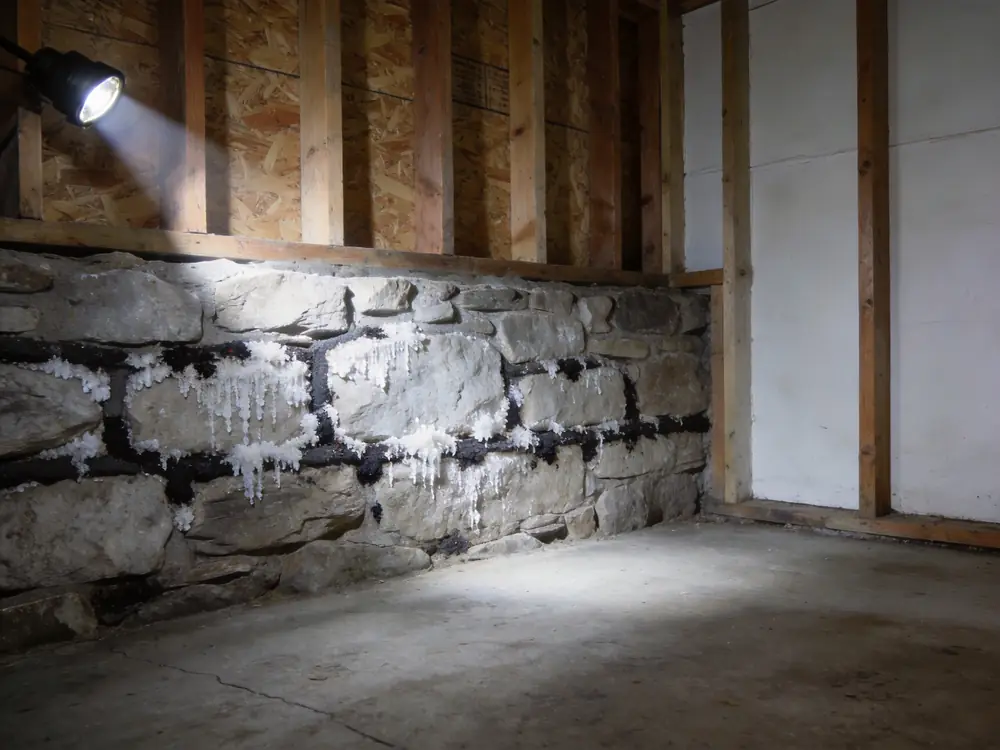
Many Gettysburg homes sit on 1800s fieldstone or rubble foundations. These walls need gentle cleaning to protect soft lime mortar, which can add labor time. They also keep releasing moisture, so a long-term humidity plan is part of the budget.
Access and contents
A basement packed with stored boxes and furniture takes time to sort and clear. Tight stairs, low ceilings or no outside entrance also add labor.
Testing
Mold testing before work and independent clearance testing after work are separate line items. We recommend clearance testing so a third party confirms the result.
Moisture Fixes to Plan For
Remediation without a moisture fix usually fails, so plan for at least one of these. Prices vary with the product and the house, so get quotes for your situation.
| Moisture fix | When it's needed | Cost notes |
|---|---|---|
| Portable dehumidifier | Humidity above 60% but no standing water | Lowest cost option; choose one with a drain hose |
| Whole-basement dehumidifier | Large or chronically damp basements | Higher upfront cost, better for stone basements |
| Gutters, downspout extensions, regrading | Water pooling near the foundation | Often the best value per dollar |
| Sump pump repair, replacement or backup | Basements that take on water in storms | Mid-range; battery backup adds protection |
| Interior drainage system | Recurring seepage through walls or floor | Largest cost; quotes vary widely by house |
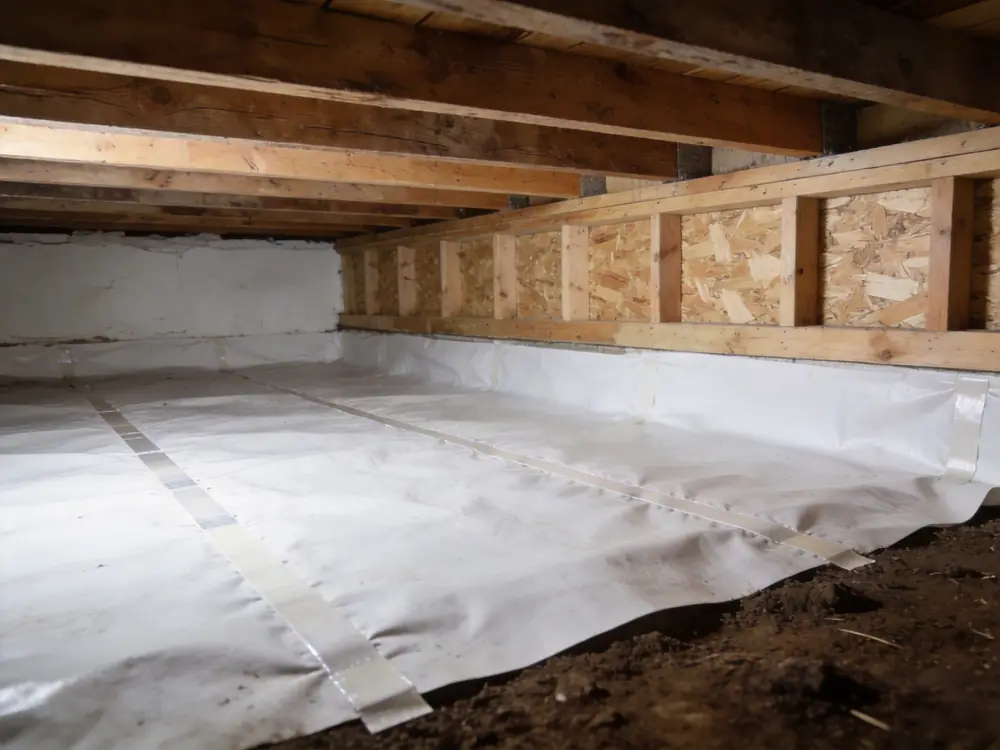
If your home has a crawl space too, costs work a little differently because of access and ground moisture. Our guide to crawl space mold remediation cost covers vapor barriers and encapsulation pricing.
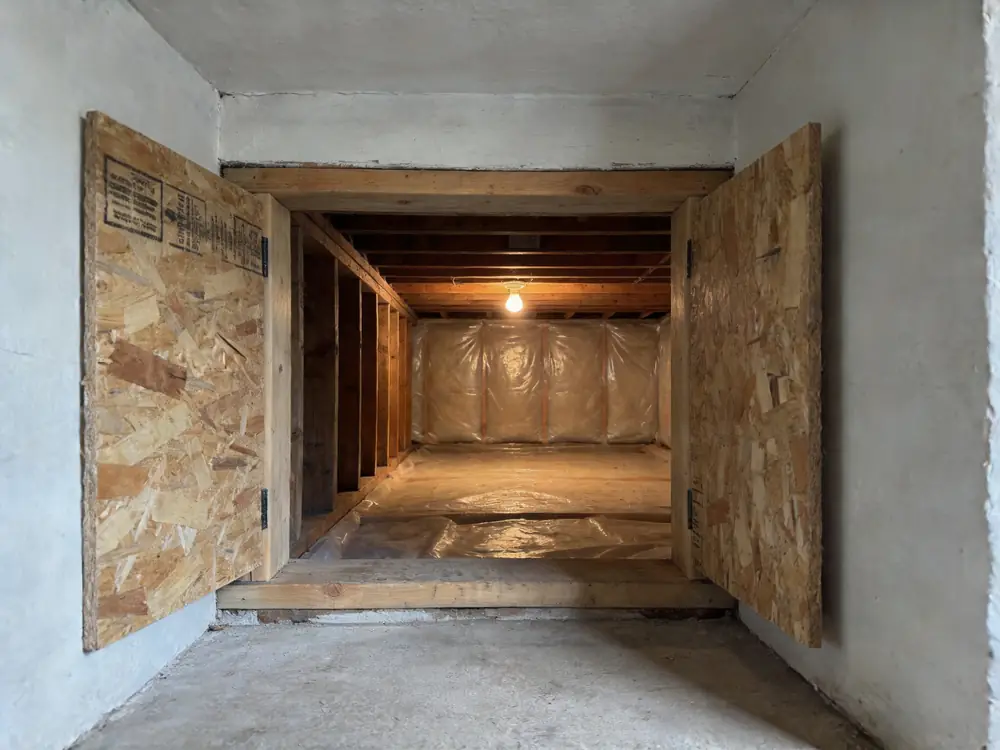
Why Gettysburg Basements Can Cost More
Gettysburg gets about 43 inches of precipitation a year, humid Julys and Augusts, and occasional remnants of tropical storms. Spring snowmelt raises the water table. That combination, plus a large stock of older homes without modern waterproofing, means many basements here need both cleanup and ongoing humidity control. Planning for both from the start is cheaper than paying for remediation twice.
Does Insurance Pay for Basement Mold?
Homeowners insurance may cover mold that results from a sudden, covered event such as a burst pipe. It usually does not cover mold from long-term humidity, seepage or maintenance issues, and many policies cap mold coverage. Flood damage typically needs a separate flood policy. Read your policy and talk with your insurer or agent. The Pennsylvania Insurance Department also has consumer resources.
How to Keep Costs Down
- Act fast. The EPA notes mold can start growing within 24 to 48 hours on wet materials.
- Clear stored items off the floor and away from walls before the job if it's safe to do so.
- Fix gutters and downspouts yourself, which is often cheap and effective.
- Get a written scope so you can compare estimates line by line.
- Be wary of any quote that relies only on spraying or fogging without removal.
When to Call a Professional
Call a pro if the mold covers more than about 10 square feet, is on framing or inside walls, followed flooding, or affects someone with asthma or a weak immune system. We offer basement and crawl space mold remediation in Gettysburg with a written scope and clear pricing after inspection. Call (717) 420-8919, 24 hours a day.
If that is the situation at your property, see basement and crawl space mold remediation.
This sits inside a bigger picture, covered in Mold in Stone Foundation Basements: A Guide for Historic Gettysburg Homes.