
Mold guide
Window Well Leaks and Basement Mold: Causes, Signs and Fixes
A leaking window well is one of the most common ways water gets into a basement and starts mold. When the well fills with rain, leaves or snowmelt and has no working drain, water pushes through the window frame and runs down the wall. Fixing the drainage, grading and cover usually stops the leak, but any wet drywall, carpet or framing below needs to dry or come out.

By Curtis Bowman, Water and HVAC Restoration Lead
Published
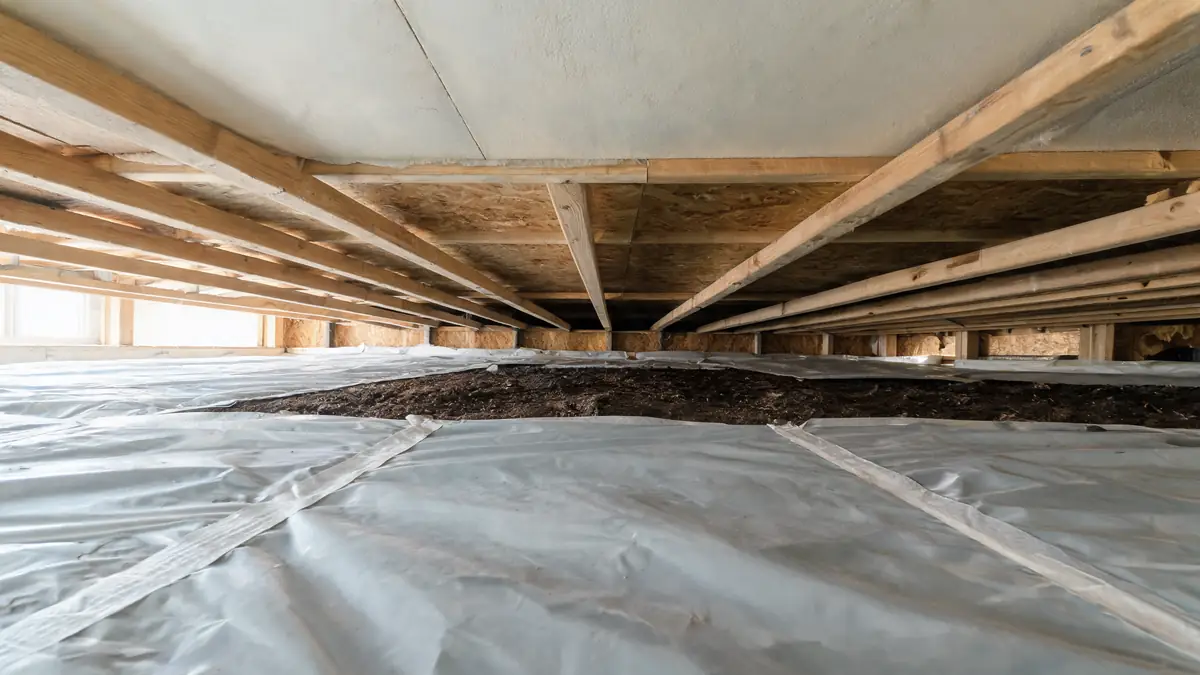
How Window Wells Are Supposed to Work
A window well is a corrugated metal, plastic or masonry liner that holds soil back from a basement window below grade. The bottom of the well should drain water away before it can reach the window.
In a well-built well, the bottom is filled with several inches of washed gravel. Below the gravel, many wells have a drain pipe that connects to the foundation drain or the sump pit. The window sill should sit several inches above the gravel so splashing water and snow do not reach it.
The liner should be fastened tight to the foundation, and the soil around the outside of the well should slope away from the house. When any of those pieces fail, the well becomes a small pool sitting against your window.

Why Window Wells Leak
Most leaks come from one of a handful of problems. Often two or three are working together.
- Clogged drain: leaves, soil and silt plug the gravel or the drain pipe at the bottom.
- No drain at all: many older wells were set in soil with no drainage below.
- Debris buildup: years of leaves and dirt raise the bottom of the well toward the sill.
- Gutter overflow: a clogged gutter or short downspout dumps roof water right into the well.
- Negative grading: soil, mulch beds or patios that slope toward the house.
- Gaps at the foundation: the liner pulls away from the wall and lets soil and water in.
- Failed window: rotted wood frames, cracked glass, broken seals or old caulk.
- Rising groundwater: in spring, a high water table can fill a well from below.
The EPA lists two basic steps for keeping water out of buildings: keep gutters clean and make sure the ground slopes away from the foundation. Both apply directly to window wells.
In Adams County, wells tend to overflow during spring thaw, heavy summer thunderstorms and tropical storm remnants. Older homes in the borough often have small stone or brick window wells that were never designed with drains.
Signs of a Window Well Leak and Mold
Leaks often stay hidden for a while, especially when the basement is finished. Check these spots after a heavy rain:
Outside
- Standing water or mud in the bottom of the well
- Leaves, mulch and soil within a few inches of the sill
- Rust holes or gaps where the liner meets the foundation
- Downspouts that end near the well
- Soil or mulch beds sloping toward the house
Inside
- Water on the interior sill or dripping from the window frame
- Stains or streaks running down the wall below the window
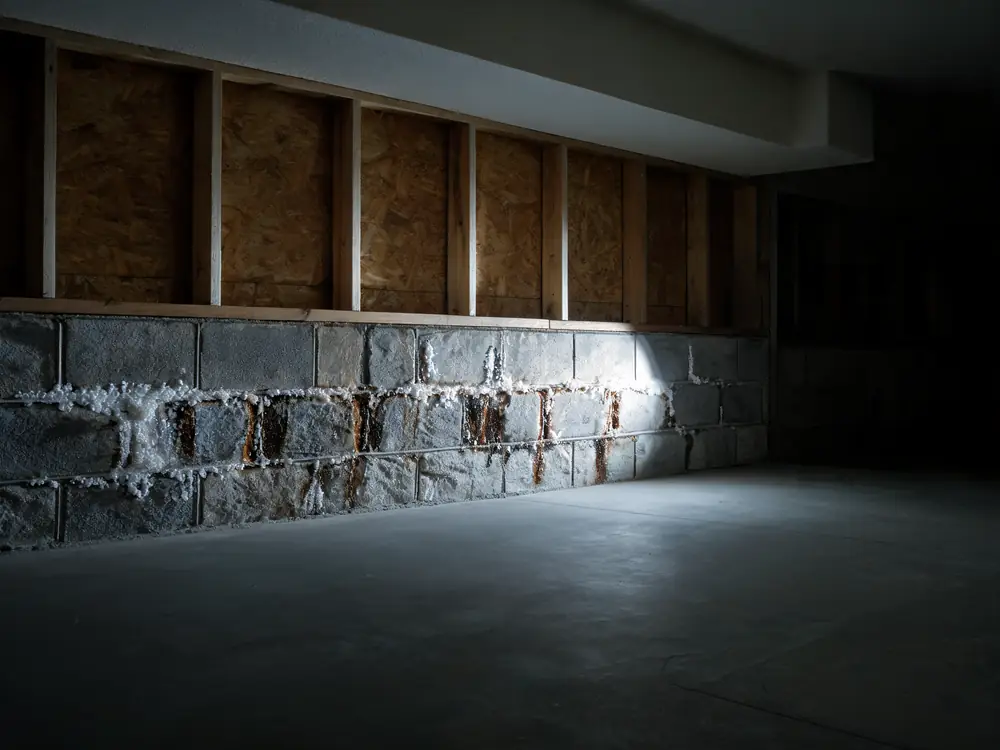
- White crusty deposits on concrete or block below the window
- Peeling paint, bubbling drywall or swollen trim around the opening
- Damp carpet or a musty smell in that corner of the room
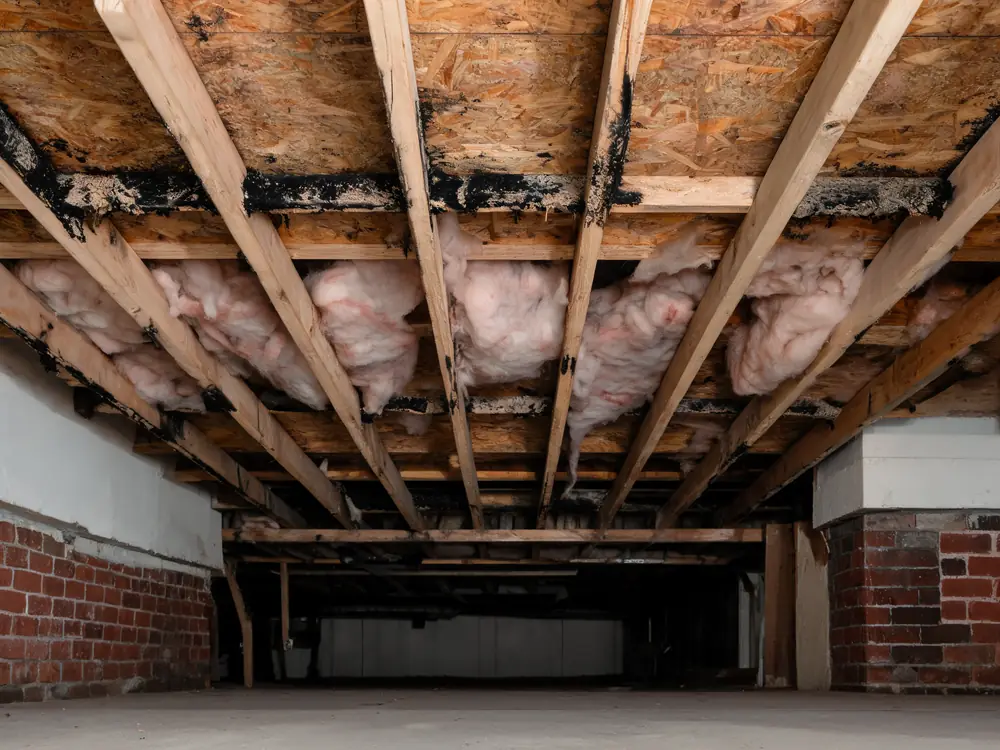
- Dark spots on wood window bucks, framing or the back of drywall
White powder on bare masonry is often efflorescence, not mold. It still signals water moving through the wall. Our guide to efflorescence vs mold shows how to tell them apart. For stains on the sill itself, see mold on window sills.
Fixing the Window Well
Start with the cheapest fixes and work up. Many leaks stop after the first two or three steps.
| Problem | Fix | DIY or contractor? |
|---|---|---|
| Debris in the well | Clean out leaves and soil down to the gravel | DIY |
| Gravel clogged or too shallow | Replace with clean washed gravel, keeping the sill well above it | DIY |
| Downspout near the well | Extend the downspout well away from the foundation | DIY |
| Rain and leaves getting in | Install a sloped, properly sized well cover | DIY |
| Soil sloping toward the house | Regrade so ground falls away from the foundation | DIY or contractor |
| Liner gaps or rust | Reseal or replace the liner and anchor it to the wall | Contractor |
| No drain or clogged drain pipe | Clear or install a drain tied to the footing drain or sump | Contractor |
| Rotted or leaking window | Replace the window and flash it properly | Contractor |
Choosing a window well cover
Measure the well before you buy. Covers come in standard sizes, and a loose fit lets leaves and water in at the edges.
A good cover is sloped so rain and snow slide off, fits the well tightly, and lets light through. Clear polycarbonate covers are common. For egress windows that serve bedrooms, the cover must be easy to open from inside so it does not block an emergency exit. Check local code before installing one on an egress well.
Watch the drain connection
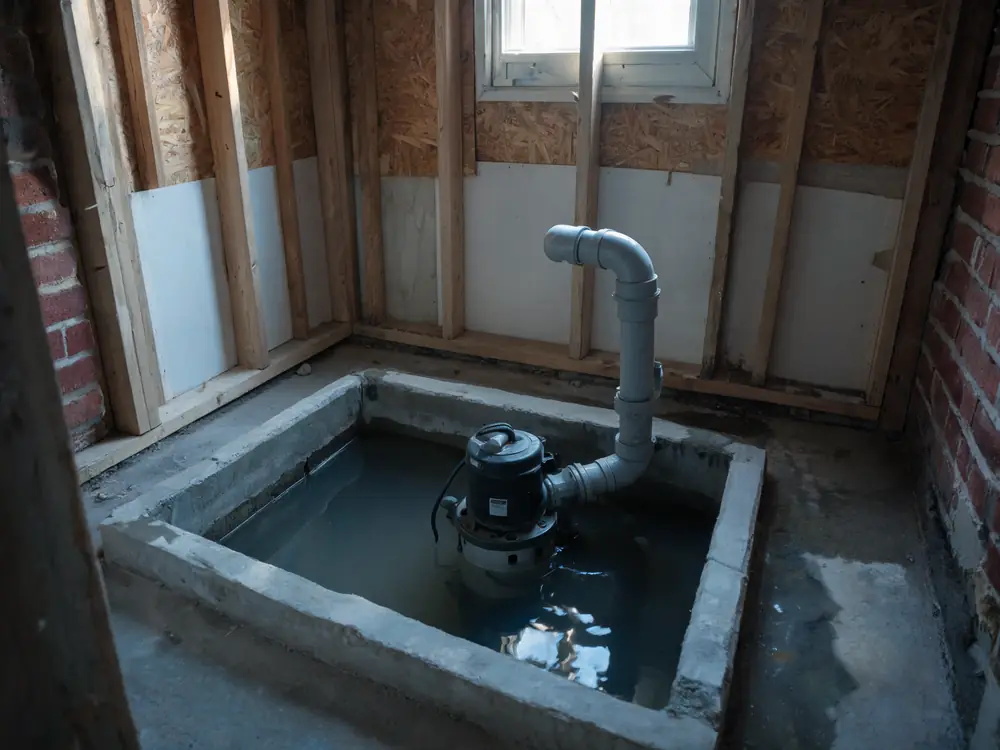
If the well drain ties into the sump pit, the sump pump has to keep up. A failed pump can back water up into the wells. Our guide on sump pump failure and mold covers what to do when the pump quits.
How to Clean Out a Window Well
Cleaning a window well is a simple job that solves many leaks. Do it in dry weather, and plan on about an hour per well.
- Remove the cover, if there is one, and set it aside.
- Scoop out leaves, trash and soil by hand or with a small trowel.
- Look for the top of the gravel. If you find mud instead, keep digging until you reach clean stone.
- Check for a drain grate or pipe opening. Clear any debris from it.
- Pour a bucket of water into the well and watch how fast it drains.
- Add clean washed gravel if the level is low, keeping it well below the window sill.
- Look at where the liner meets the foundation for gaps or rust.
- Reinstall or add a cover.
If the test water sits for a long time, the drain is clogged or missing. That usually needs a contractor to dig down and clear or install a proper drain.
Check the window itself
Older basement windows are often single-pane steel or wood units. Over time, wood frames rot, steel frames rust and glazing putty cracks. Even with a perfect well, a failing window can let water in.
Look for soft wood, rust, gaps in caulk and cracked glass. A replacement window should be flashed and sealed to the foundation, not just caulked in place. If the window serves a bedroom, it may need to meet egress size rules, which is a question for your local code office.
Dealing With Mold Inside
Once the well is fixed, turn to the wall below the window. Water that came in through the frame usually runs down behind drywall and into carpet, pad and the bottom plate.
- Bare concrete or block: clean surface growth, let it dry and watch for new staining.
- Drywall and insulation: wet or moldy sections are usually cut out well above the stain line.
- Carpet and pad: wet pad is almost always replaced; carpet depends on how long it stayed wet.
- Wood window bucks and framing: HEPA vacuum, clean and dry; replace if soft or rotted.
Finished basements hide this damage well. Our guide on finished basement mold explains where water tends to collect behind walls and floors. Areas over about 10 square feet, or any growth inside wall cavities, are better handled with containment and HEPA filtration.
Keep the Basement Dry After the Fix
A fixed window well stops the big leaks, but basements still need humidity control. Run a dehumidifier in summer and keep relative humidity in the range the EPA recommends, below 60 percent and ideally 30 to 50 percent.
Our guide on the right basement humidity level explains how to measure it and set your dehumidifier. Check window wells each fall after the leaves drop and each spring before the rainy season.
Spring is the busiest season for window well leaks in Adams County. Snowmelt, steady rain and a rising water table all arrive at once. A quick check in March, before the wettest weeks, catches most problems while they are still easy to fix.
If water keeps showing up and you cannot find where, the leak may not be the well at all. Supply lines, foundation cracks and plumbing can look similar. The mold remediation FAQ answers common questions about inspections and what they include.
When to Call a Professional
Call if mold covers more than a small area, has spread behind drywall or into carpet, or keeps coming back after the well is fixed. We provide basement mold remediation across Gettysburg and Adams County, including moisture mapping to find exactly how far the water traveled. Call (717) 420-8919, 24 hours a day, for a free on-site inspection.