
Mold guide
Mold on Floor Joists and Subfloor: Causes, Risks and Fixes
Mold on floor joists forms when the wood framing under your home stays damp, usually from basement or crawl space humidity, condensation or a slow leak. In Gettysburg, humid summers and older stone foundations make joist mold one of the most common problems we see. Most of the time it is surface growth that can be cleaned, but the moisture behind it has to be fixed.

By Dale Hoffman, Remediation Lead
Published
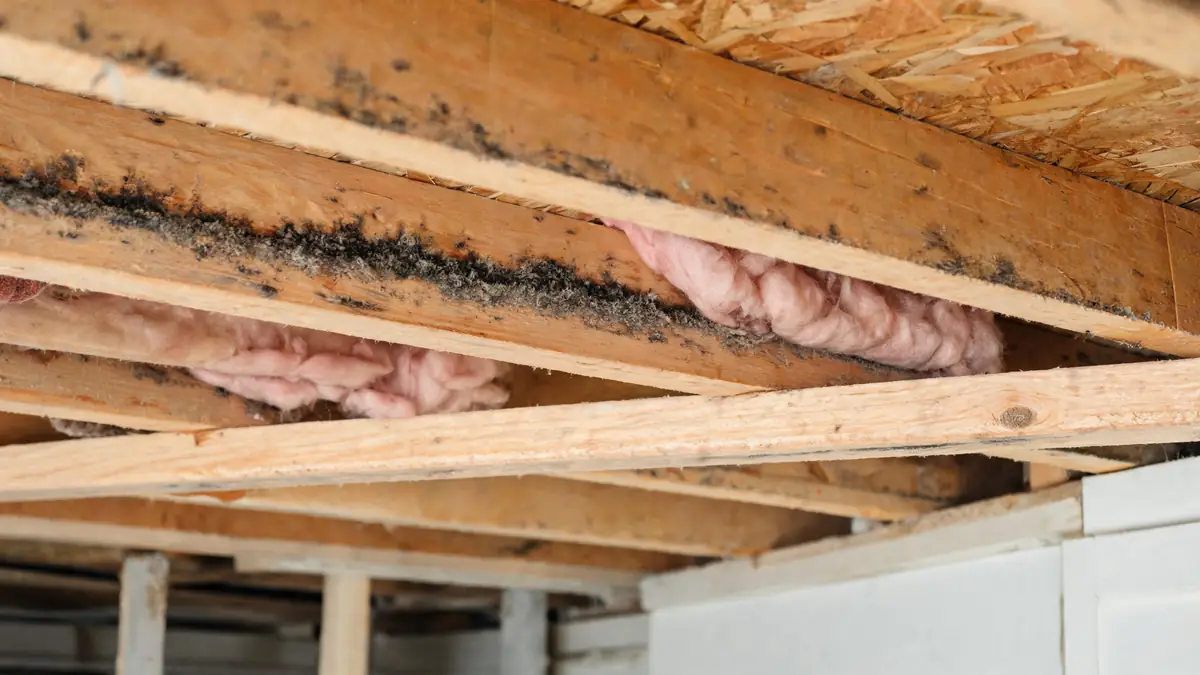
What Mold on Joists Looks Like
Joist mold shows up in a few common forms:
Dealing with this in a Gettysburg property? That is everyday work for our mold remediation service in Gettysburg.
- White, fuzzy or cottony patches, often on the sides of joists and the underside of the subfloor
- Black or dark gray speckling that looks like pepper sprinkled across the wood grain
- Green or bluish spots on newer lumber or plywood
- Dark staining that follows the grain, sometimes after the growth itself has dried out
The growth is often worst near the outside walls, around the rim joist, above a dirt floor, and near plumbing lines. In older Gettysburg homes, the ends of joists that sit in pockets in a fieldstone wall are a hot spot, because the stone stays damp. Our guide to mold in stone foundation basements covers that situation in detail.
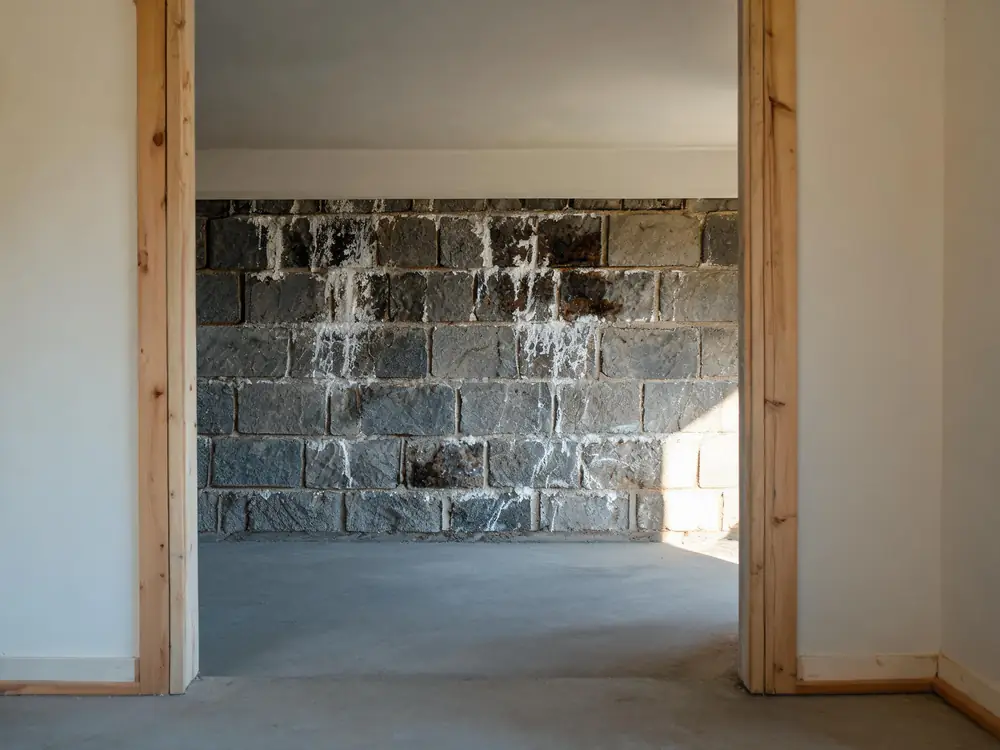
What Causes Mold on Floor Joists?
High humidity
This is the number one cause. Mold can grow on wood when the air around it stays humid. The EPA recommends keeping indoor relative humidity below 60%, ideally between 30% and 50%. Many Gettysburg basements and crawl spaces run well above that from June through September.
Summer condensation
Warm, humid air entering a basement or vented crawl space hits cool wood, pipes and ducts and condenses. Uninsulated cold water lines and AC ducts can drip onto joists all summer.
Ground moisture
A dirt crawl space floor with no vapor barrier releases moisture all year. So do old fieldstone and rubble foundation walls, which wick groundwater through the stone.
Leaks and venting mistakes
Slow drips from a toilet, tub drain or kitchen sink above can soak one area of subfloor. Bathroom fans or dryer vents that exhaust into a crawl space are common in older homes and pump moist air straight onto the framing.
Flooding
A failed sump pump, a burst pipe in January, or a tropical storm remnant can wet the whole basement. Wood that isn't dried within 24 to 48 hours can start to grow mold, according to the EPA.
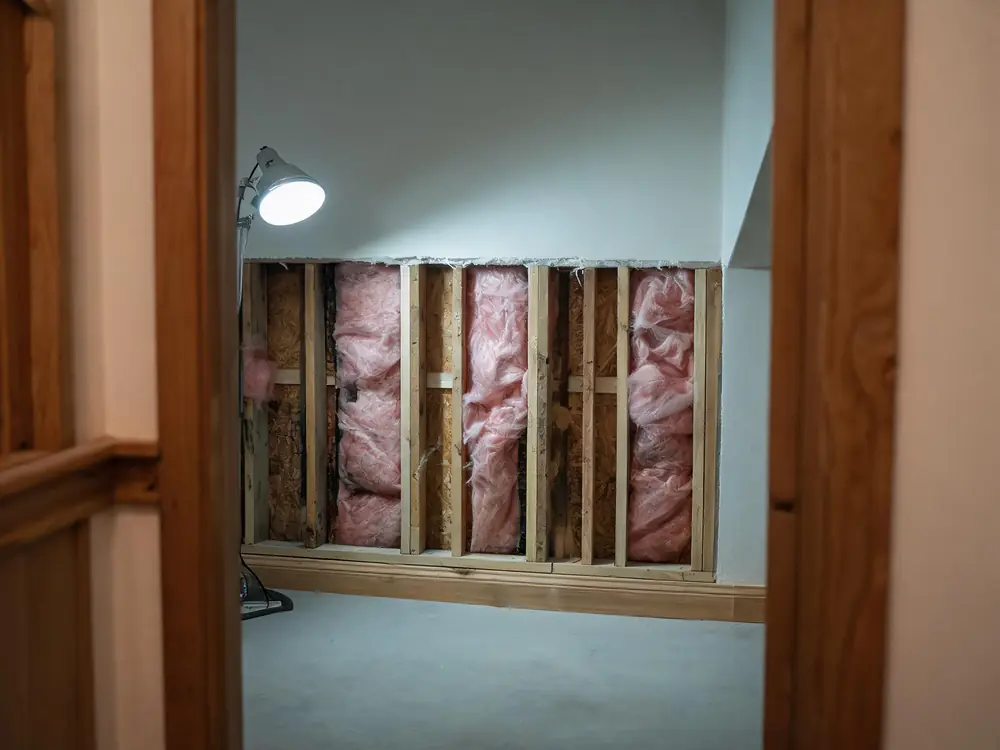
Is Joist Mold a Structural Problem?
Mold and rot are not the same thing. Most mold on joists is surface growth. It stains the wood but doesn't eat into it enough to weaken it. Wood-decay fungi, which cause rot, need wood to stay wet for a long time.
| Sign | Likely surface mold | Possible rot |
|---|---|---|
| Screwdriver test | Wood is hard; tip doesn't sink in | Tip sinks in easily; wood is soft or spongy |
| Texture | Fuzzy or spotty on a firm surface | Cracked into cubes, stringy or crumbly |
| Color | Spots and stains | Brown or bleached, with shrinkage |
| Floor above | Normal | Sagging, bouncy or soft spots |
If the wood is soft or the floor above sags, have a contractor or engineer assess the framing. Damaged joists can often be sistered with new lumber. Old-growth joists in historic Gettysburg homes are dense and tough, so they often survive surface mold well.
How Professionals Remove Joist Mold
- Find and fix the moisture source. Leaks, vents and drainage come first.
- Set up containment. Plastic sheeting and negative air pressure keep spores from moving into the house.
- Remove wet insulation and debris. Moldy fiberglass batts between joists usually come out.
- Clean the wood. HEPA vacuuming and scrubbing for light growth, or soda or dry ice blasting for heavy growth across large areas.
- Treat and dry. An antimicrobial may be applied to cleaned surfaces, and dehumidifiers dry the wood.
- Control humidity. A dehumidifier, vapor barrier or encapsulation keeps the space dry going forward.
- Verify. We recommend independent clearance testing before insulation or finishes go back in.
For crawl spaces, the moisture step often means choosing between a basic liner and full sealing. Our guide to crawl space encapsulation vs. vapor barrier compares both.
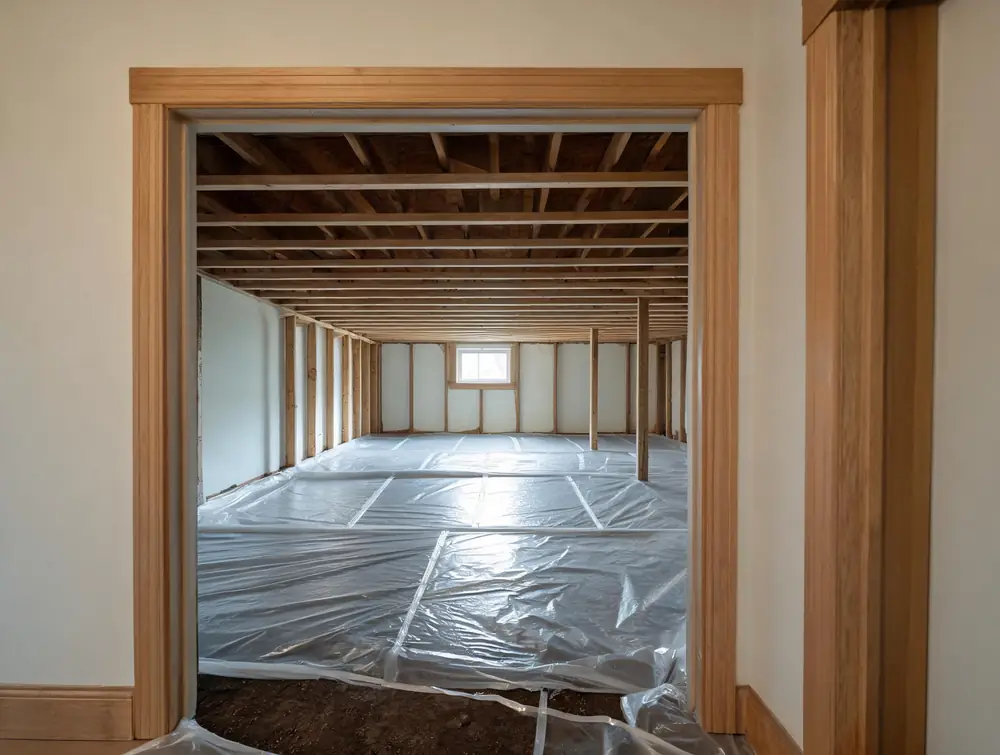
How to Keep Mold Off Your Joists
- Keep the basement or crawl space below 60% relative humidity. Our guide to the ideal basement humidity to prevent mold covers dehumidifier sizing and settings.
- Insulate cold water pipes and AC ducts to stop summer sweating.
- Cover dirt floors with a vapor barrier.
- Route bathroom and dryer vents outdoors.
- Keep gutters clean and downspouts extended away from the foundation.
- Check the framing each spring and late summer with a flashlight.
The EPA's brief guide to mold and moisture has more general prevention tips.
When to Call a Professional
Call a professional if joist mold covers more than about 10 square feet, the wood feels soft, the space is hard to reach, or anyone in the home has asthma, allergies or a weakened immune system. We provide basement and crawl space mold remediation throughout Gettysburg. Call (717) 420-8919, any time, day or night.