
Mold guide
Mold in Closets: Why It Happens and How to Stop It
Closet mold usually grows on exterior walls, where the wall is cold, the door is closed, and clothes block what little warm air gets in. Moist indoor air reaches that cold surface and condenses, and mold follows. The fix is warmer walls, more airflow and lower humidity, plus cleaning or replacing what has already grown.

By Dale Hoffman, Remediation Lead
Published
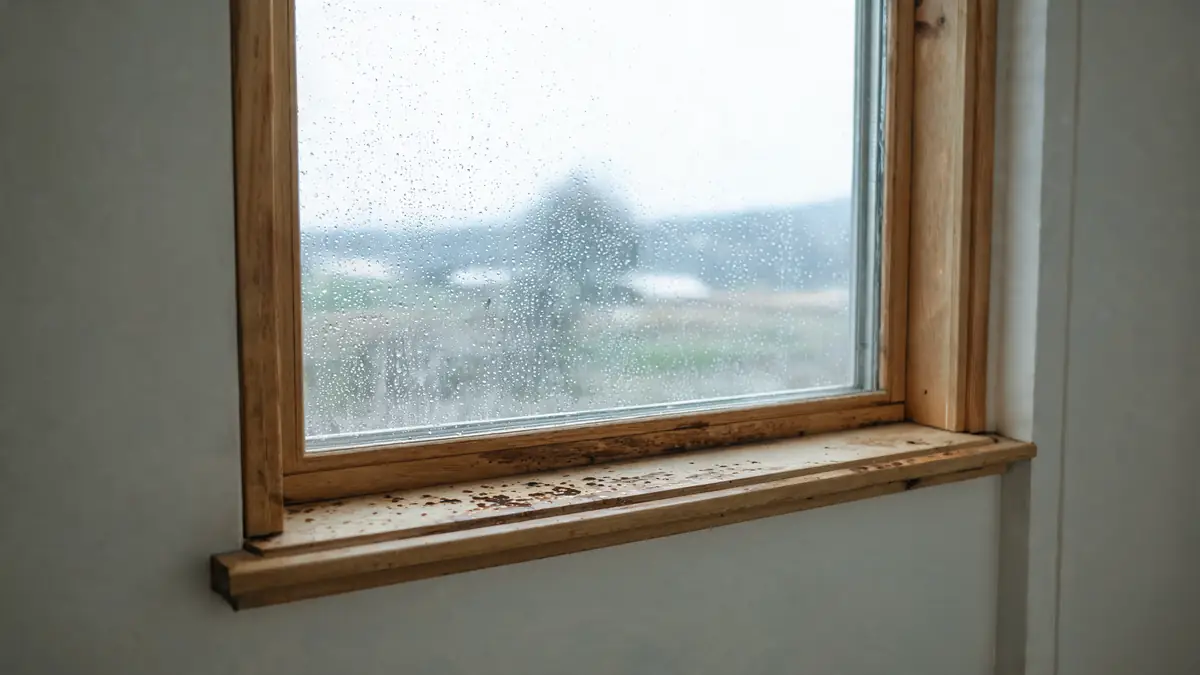
Why Closets Grow Mold
Mold needs moisture, food and time. A closet supplies all three. Clothes, cardboard boxes, shoes and dust provide food. Closed doors provide time. The missing piece is moisture, and closets collect it in a quiet way.
Warm indoor air carries water vapor from showers, cooking, laundry and breathing. When that air reaches a surface colder than its dew point, water condenses on the surface. A closet on an exterior wall is often the coldest surface in the room.
Inside a closed closet, the wall gets almost no warm air from the room. Packed clothes act like insulation on the wrong side, keeping heat away from the wall. The result is a cold, damp, dark pocket that dries slowly.
Signs of closet mold
- A musty smell when you open the door, or on clothes you just took out
- Gray, green or black spots in the upper corners or along the baseboard
- White fuzz or spots on leather shoes, belts and bags
- Damp or cool walls when you press a hand against them
- Soft, warped or stained cardboard boxes on the floor
- Peeling paint or bubbling on the back wall
The smell often comes first. Clothes that smell musty after a few weeks on the hanger are an early warning, even if no spots are visible yet.
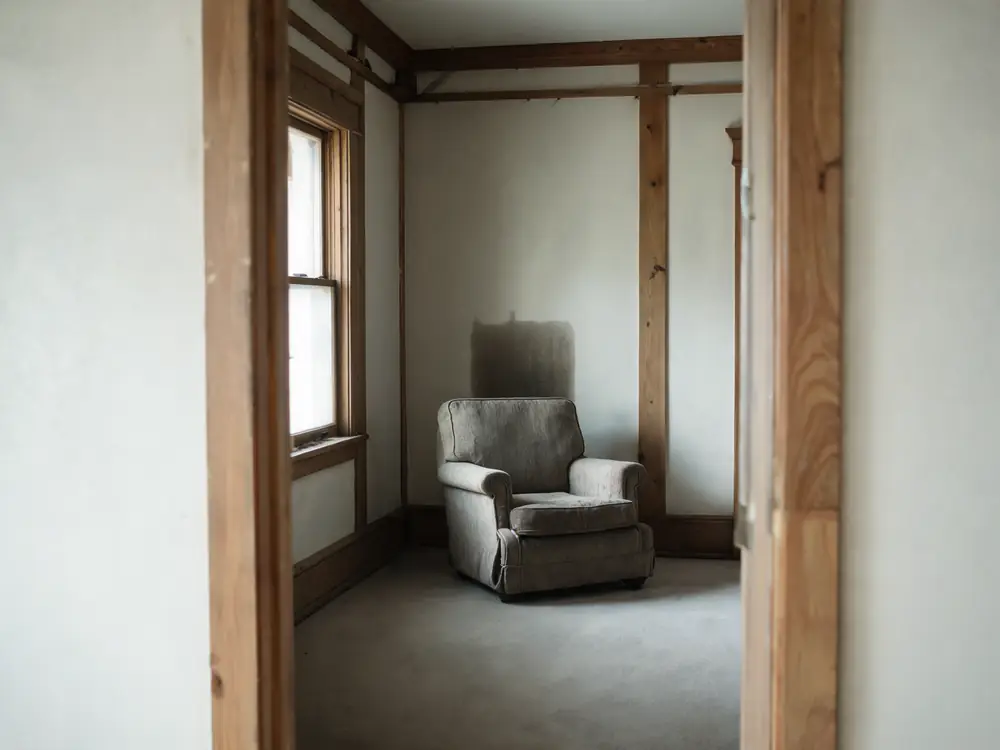
Why Closets on Exterior Walls Are Worst
The wall is colder than the rest of the room
An exterior wall loses heat to the outdoors. In winter, the inside face of that wall is colder than interior walls, especially in corners where two exterior walls meet.
If insulation is thin, settled or missing, the surface can be several degrees colder still. Thermal imaging often shows these cold patches as dark bands at the top, bottom or corner of the closet.
The door blocks the heat
A closed door cuts the closet off from the room's heating and air circulation. The closet runs colder than the room, and its relative humidity runs higher.
Contents trap moisture against the wall
Coats, bags and boxes pressed against the back wall hold damp air right where it causes trouble. Mold often appears first behind the clothes, on the back of boxes, or on shoes on the floor.
Our guide to indoor humidity and dew point explains the math behind cold surfaces and condensation. The same physics causes winter condensation mold on walls behind furniture.
Other Closet Mold Causes to Rule Out
Cold walls are the most common cause, but not the only one. Check for these before you assume it is condensation.
- A plumbing leak. Closets that share a wall with a bathroom or kitchen can hide a slow supply or drain leak.
- A roof or window leak. Stains at the top of the closet wall or ceiling can point to water coming in from outside.
- Damp items stored away. Wet coats, gym bags, boots and towels put away damp add moisture every day.
- A basement or below-grade closet. Closets against foundation walls pick up ground moisture.
- An air handler or water heater closet. Condensate leaks and sweating lines can wet the floor and walls.
- High whole-house humidity. If humidity stays above 60%, closets will be the first places to show it.
Mold on the bottom of the wall and baseboard, with a dry top, often points to a leak or rising moisture. Mold at the top corners and along the ceiling line, especially in winter, usually points to a cold wall.
Closet Mold in Gettysburg Homes
Older homes in the Gettysburg borough often have small closets that were added after the house was built. Many sit against uninsulated exterior brick or stone walls with plaster finish. Those walls stay cold all winter, and plaster can hold moisture.
Newer homes in Adams County subdivisions have insulated walls, but closets at outside corners, over garages and under attic knee walls can still run cold if insulation was installed poorly. Tightly built houses can also run more humid in winter if ventilation is weak.
College rentals near campus see closet mold often. More people in a smaller space means more moisture, and closets stay packed and closed. Our guide to mold in student rentals covers tenant and landlord steps. For plaster walls, see mold on plaster walls in old homes.
What to Do With Clothes and Contents
Take everything out of the closet before you clean. Work outdoors or in a garage if you can, and wear gloves and an N95 mask.
| Item | Usually | How |
|---|---|---|
| Washable clothes, sheets, towels | Save | Brush off outdoors, wash in the warmest water the label allows, dry completely |
| Dry-clean-only clothes | Often save | Bag and take to a dry cleaner; tell them about the mold |
| Leather shoes, belts, bags | Sometimes save | Wipe and dry outdoors; leather cleaners or specialists for valuable items |
| Cardboard boxes | Discard | Replace with lidded plastic bins |
| Paper, photos, books | Depends on value | Discard ordinary items; consult a conservator for irreplaceable ones |
| Plastic, metal, glass items | Save | Wash with detergent and water, dry fully |
Storing clothes so they stay mold-free
- Store seasonal clothes clean and fully dry; body oils and food spots feed mold.
- Use breathable cotton garment bags for hanging items rather than sealed plastic dry cleaner bags.
- Use lidded plastic bins for stored items, and keep them off the back wall and off a cold floor.
- Do not store out-of-season clothes in a damp basement or attic.
- Check the back of the closet every few weeks in winter, when condensation peaks.
The EPA notes that porous materials may have to be thrown away if they become moldy. Clothing is porous, but frequent washing makes most of it far easier to save than carpet or drywall.
Items that still smell musty after cleaning usually still have growth in them. Our guide on whether moldy belongings can be saved goes into more detail.
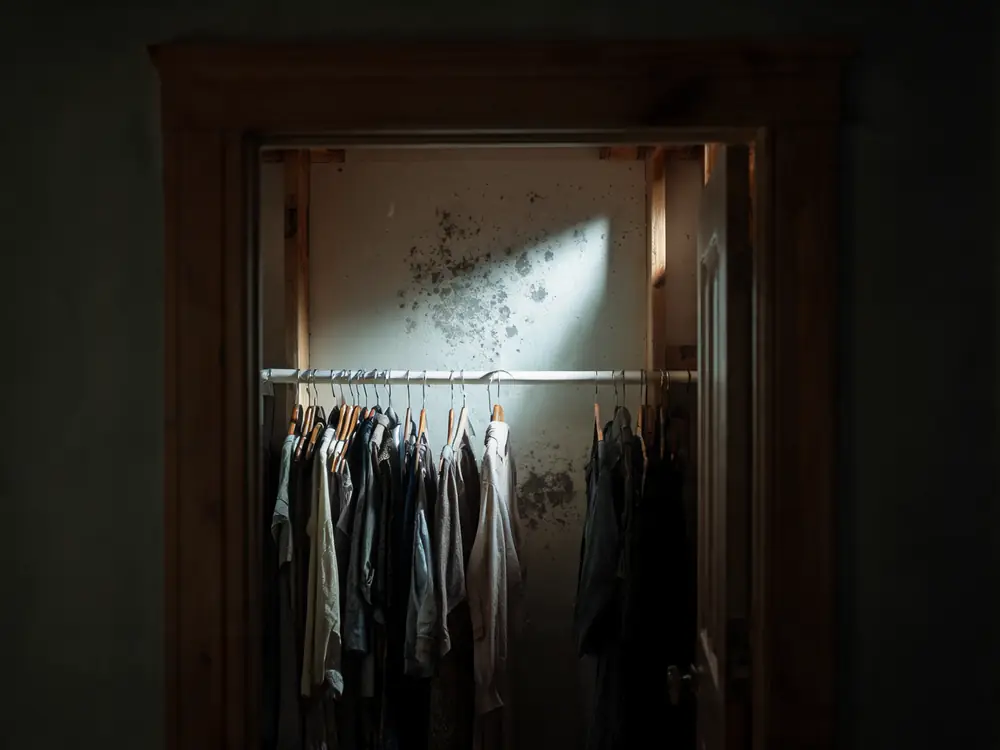
How to Clean the Closet Itself
- Empty it. Remove everything, including shelves and rods if they are moldy.
- Check the walls. Press drywall or plaster. Soft, crumbling or stained-through material needs to come out, not just be cleaned.
- Clean hard surfaces. Wipe painted walls, shelves and rods with detergent and water. Rinse and dry.
- HEPA vacuum. Vacuum the floor, corners and carpet with a HEPA vacuum to pick up spores and dust.
- Dry it out. Run a fan into the open closet for a day or two before you put anything back.
- Do not just paint over it. Mold-resistant paint helps only after the growth is removed and the cause is fixed.
The EPA uses about 10 square feet as a rough line. Small closet patches below that can usually be cleaned by a careful homeowner. Larger areas, or growth on the back of drywall, call for professional help. If the growth is dark and has rooted into drywall, see our guide to black mold on drywall.
Airflow and Humidity Fixes That Work
Improve airflow
- Leave the closet door open for part of each day, or overnight.
- Replace a solid door with a louvered or slatted door.
- Leave a few inches between hanging clothes and the back wall.
- Use wire shelving instead of solid shelves so air can move.
- Do not pack the closet floor; keep shoes and bins off the back wall.
Lower humidity
- Keep indoor relative humidity below 60%, ideally 30% to 50%, as the EPA recommends. Aim for the lower end in cold weather.
- Put a small hygrometer in the closet to see what it actually reads.
- Run bath fans during and after showers so moisture does not drift into nearby closets.
- Never put away damp coats, boots, towels or gym gear.
- Moisture absorber packs can help in a small closet, but they do not fix a cold wall.
Warm the wall
- Have the wall checked for missing or settled insulation. A thermal camera makes gaps easy to see.
- Seal air leaks at outlets, top plates and attic hatches in closet ceilings.
- In a stubborn closet, a low-wattage closet heater rated for that use can help, but fix insulation first.
When to Call a Professional
Call if mold covers more than about 10 square feet, has grown through drywall or plaster, keeps returning after cleaning, or comes with a musty smell that spreads into the room. Those signs suggest hidden moisture inside the wall or a leak you have not found.
Our mold inspections use moisture meters, a hygrometer and thermal imaging to find cold spots and leaks behind closet walls, and our crew can remove the mold safely under containment if material has to come out. We serve Gettysburg, Adams County and Hanover. Call (717) 420-8919, 24 hours a day.