What the CDC and EPA Say About Black Mold
Black mold usually refers to Stachybotrys chartarum. It's often called "toxic black mold" online. The CDC explains that the term "toxic mold" is not accurate: molds themselves are not toxic, though certain molds can produce toxins called mycotoxins. The presence of mold that can make toxins doesn't mean anyone in the home will be exposed to them.
Dealing with this in a Gettysburg property? That is the everyday work of professional mold remediation in Gettysburg.
What both agencies agree on is that mold growth indoors is a problem to fix, whatever the species. The EPA says there is no practical way to remove all mold spores from indoor air, so the way to control mold is to control moisture. You can read the CDC's summary on its mold and health page and the EPA's guidance at epa.gov/mold.
Common Symptoms of Mold Exposure
The CDC lists these as common reactions to damp and moldy spaces:
- Stuffy or runny nose
- Wheezing and coughing
- Red or itchy eyes
- Itchy skin or rash
- Sore or scratchy throat
For people with asthma, mold can trigger asthma attacks. People with mold allergies may have stronger reactions. These symptoms look like seasonal allergies or a cold, so the pattern matters. If symptoms ease when you leave the house for a few days and return when you come back, mention that to your doctor.
Important: We are mold remediation specialists, not doctors. If you or a family member has symptoms, see your doctor. Tell them about the mold and any water damage in the home.
Who Is Most at Risk
| Group | Why the risk is higher |
|---|---|
| People with asthma | Mold can trigger asthma attacks and worsen symptoms |
| People with mold allergies | Stronger allergic reactions to spores |
| People with weakened immune systems | The CDC notes they are more likely to get infections from certain molds |
| People with chronic lung disease | Can be more sensitive to mold in the air |
| Infants and young children | Developing lungs may be more sensitive to irritants |
| Older adults | May have other health conditions that raise sensitivity |
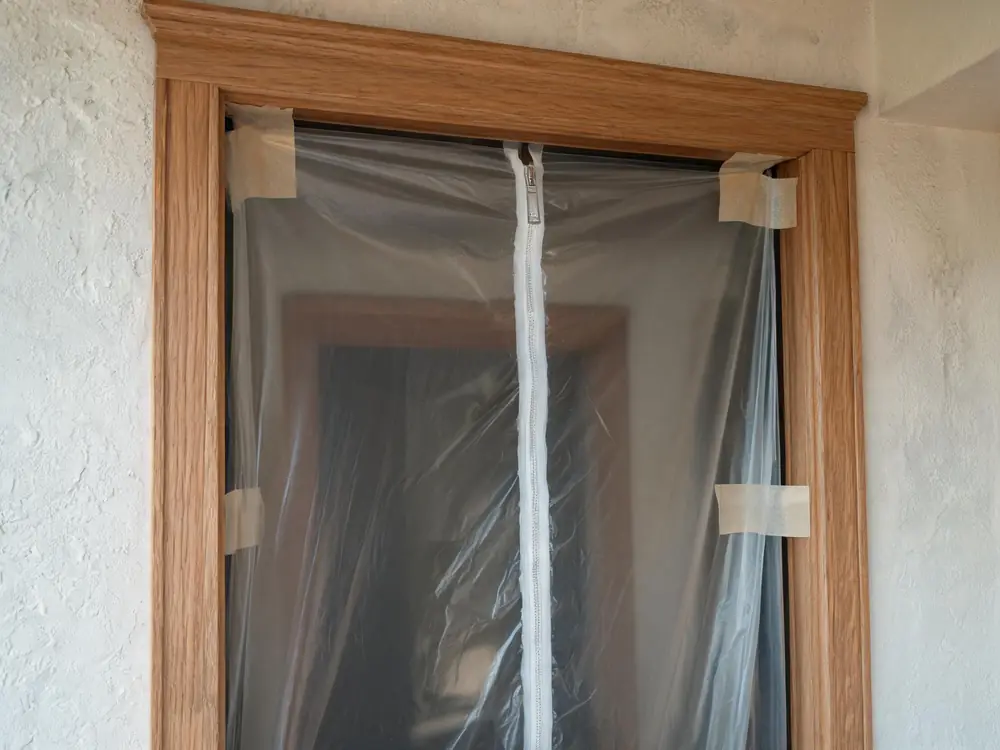
If someone in one of these groups lives in the home, don't try to clean mold yourself, and consider having that person stay elsewhere while remediation happens.
Is Black Mold More Dangerous Than Other Molds?
Stachybotrys gets the scariest headlines, but other common household molds can cause the same allergy and asthma symptoms. Aspergillus, for example, is one the CDC notes can cause infections in people with weakened immune systems. Our guide to types of household mold covers the most common species found in Pennsylvania homes.
The practical takeaway: don't focus too much on color or species. The amount of mold, how long it has been growing, and who lives in the home matter more. You also can't confirm Stachybotrys by looking at it. See our comparison of black mold and other dark molds.
How People Are Exposed
Mold spreads by releasing tiny spores into the air. You can be exposed by:
- Breathing in spores, the most common route, especially when moldy material is disturbed
- Touching moldy surfaces, which can irritate skin
- Spores spread through HVAC systems, if returns or ducts pull air from a moldy basement or crawl space
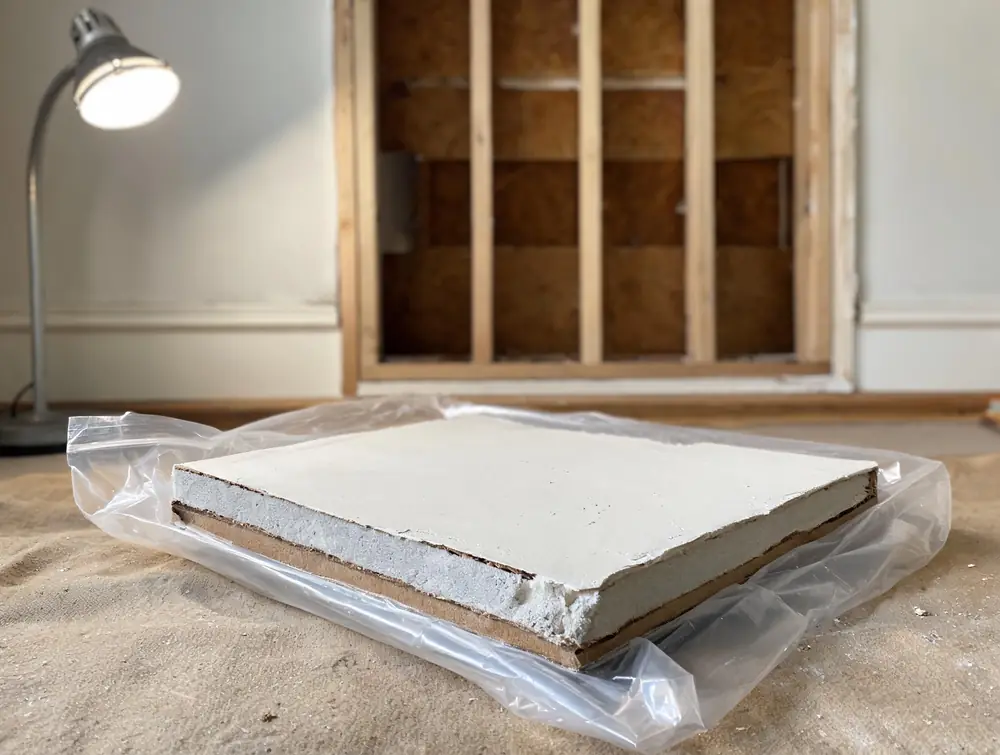
Stachybotrys spores are fairly heavy and sticky when wet, so they don't float as easily as some molds. The risk goes up when dry growth is scraped, sanded, or torn out without containment. That's why DIY demolition can make things worse.
Why Gettysburg Homes Deserve Extra Attention
Gettysburg's climate brings about 43 inches of precipitation a year, humid summers, and the occasional tropical storm remnant. Older homes in the historic district sit on stone foundations that let moisture in, and many have unfinished basements where the furnace and return ducts live. When a basement stays damp, mold there can affect air across the whole house.
Rental houses near Gettysburg College, and busy B&Bs and hotels, also deserve attention. Tenants and guests may not report a slow leak or musty smell until the problem has spread.
Steps to Protect Your Household
- Talk to your doctor if anyone has symptoms, especially asthma or immune concerns.
- Stop the moisture. Fix leaks and run a dehumidifier. The EPA recommends keeping indoor relative humidity below 60 percent, ideally between 30 and 50 percent.
- Close off the area and avoid disturbing the growth.
- Keep high-risk people away from the affected rooms.
- Get the area assessed. If the mold covers more than about 10 square feet, is hidden, or is linked to the HVAC system, get professional help.
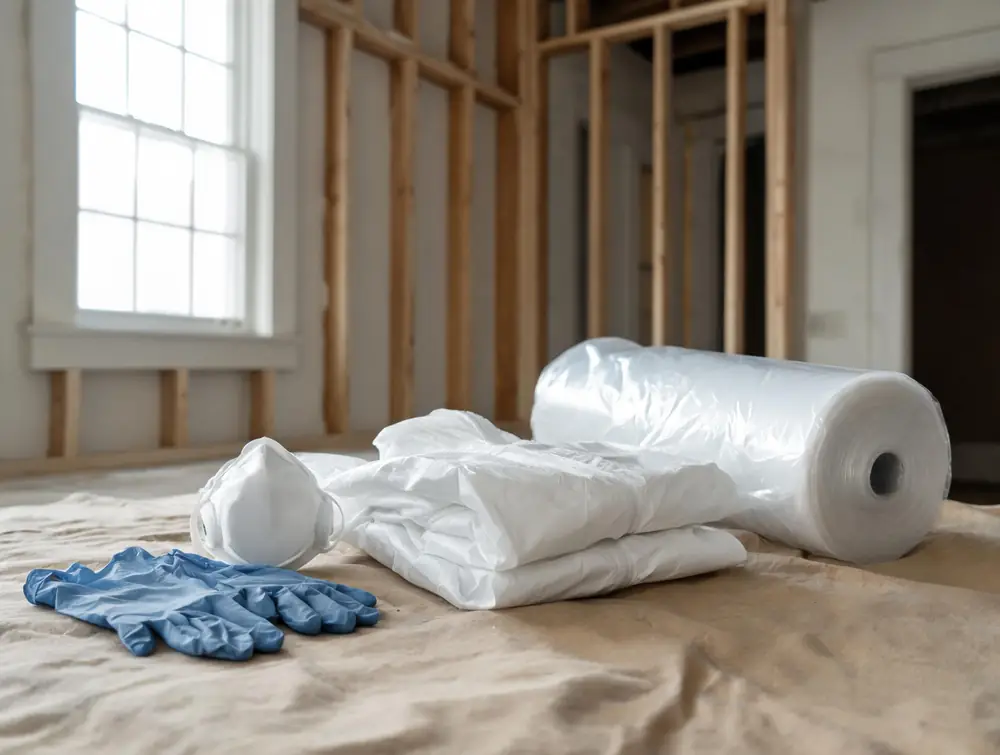
- Remove it properly. Containment and HEPA filtration keep spores from spreading during cleanup.
Should You Test for Black Mold?
If you can see the mold, the EPA says testing usually isn't needed to decide to remove it. Testing makes sense if you smell mold but can't find it, if a doctor wants to know what's in the home, or if you need documentation for a landlord or a sale. It's also useful after remediation, as clearance testing, to confirm the job worked. Our mold inspection and testing service can help.
What Does Removal Cost?
Many people delay removal because they fear the bill. In Gettysburg, small areas under 10 square feet typically run $500 to $1,500, and basement or crawl space jobs typically run $1,500 to $6,000. Final pricing depends on an inspection. See our full guide to black mold removal cost.
When to Call a Professional
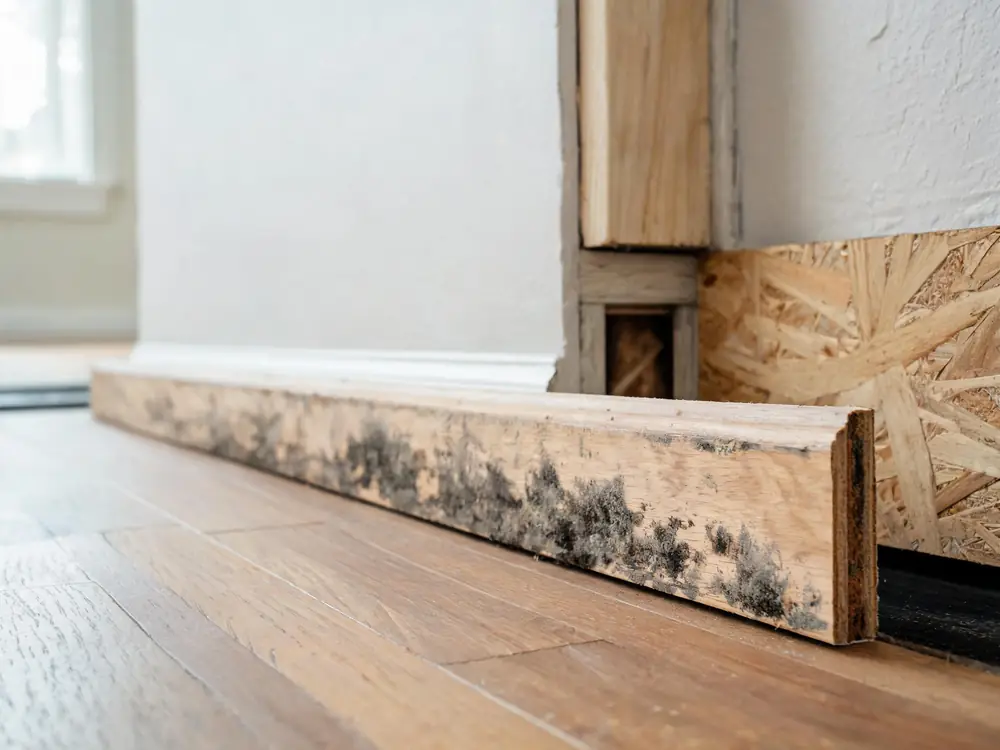
Call a professional if the mold is larger than about 10 square feet, if anyone in the home is in a high-risk group, if the mold came from flood water, or if you smell mold but can't find it. Our black mold removal service in Gettysburg follows the IICRC S520 standard, with containment and HEPA air filtration on every job. Call (717) 420-8919, any time of day or night.