
Mold guide
What Is Black Mold? Stachybotrys Chartarum Explained
What is black mold? It is the common name for Stachybotrys chartarum, a greenish-black mold that grows on building materials that stay wet for a long time, like drywall, wood, and ceiling tiles. In Gettysburg, we most often find it after slow plumbing leaks, basement seepage, and roof leaks that went unnoticed for weeks.

By Paula Reinhart, Inspection and Testing Lead
Published
Stachybotrys Chartarum at a Glance
Stachybotrys is a genus of fungi found in soil and on decaying plants outdoors. Indoors, it only shows up when something has gone wrong with water. It is not the most common indoor mold. Species like Cladosporium, Penicillium, and Aspergillus are found far more often. But Stachybotrys gets the most attention because of its dark color and its reputation.
| Trait | Stachybotrys chartarum |
|---|---|
| Color | Dark green to black |
| Texture | Slimy or wet-looking when damp; powdery or sooty when dry |
| Food source | Cellulose: drywall paper, wood, cardboard, ceiling tiles, wallpaper |
| Moisture need | Very high; materials usually wet for days to weeks |
| Growth speed | Slower than many molds; often follows earlier colonizers |
| Smell | Musty, earthy odor |
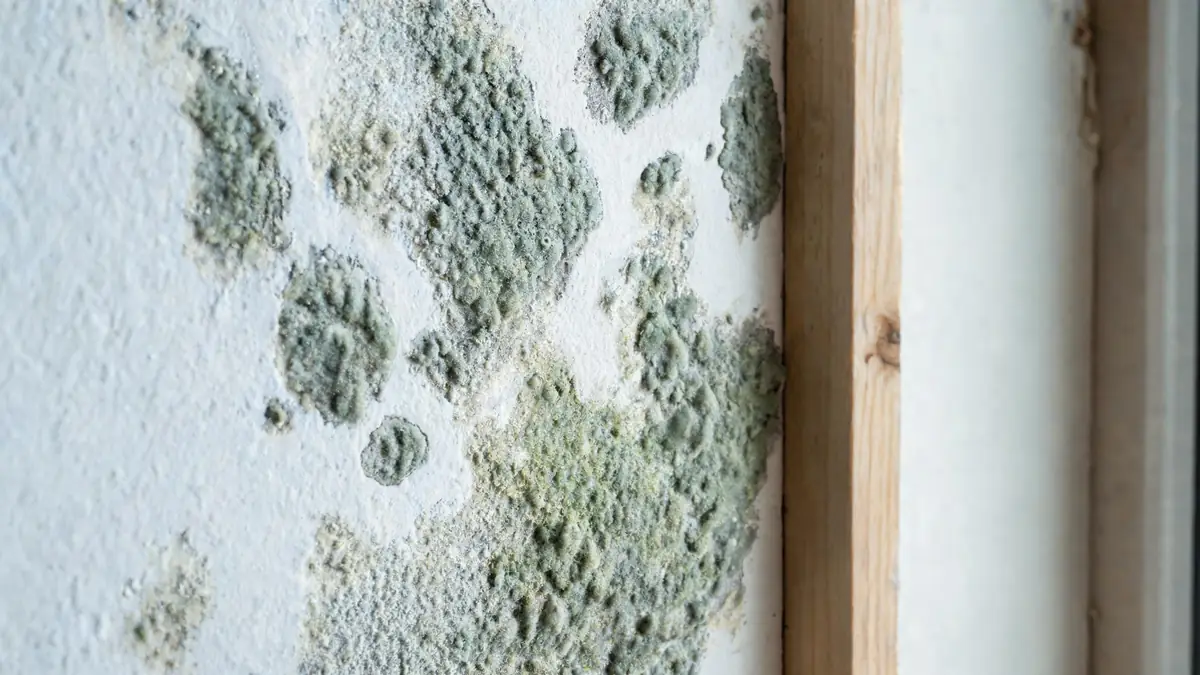
What Black Mold Looks Like
Stachybotrys usually forms dark, roughly circular patches that grow together into larger stains. On drywall, it often starts at the bottom edge near the floor or around a leak point and spreads upward. When the material is still wet, the growth can look slick and almost glossy. As it dries, it turns dull and sooty.
For how this plays out locally, see mold remediation across Adams County.
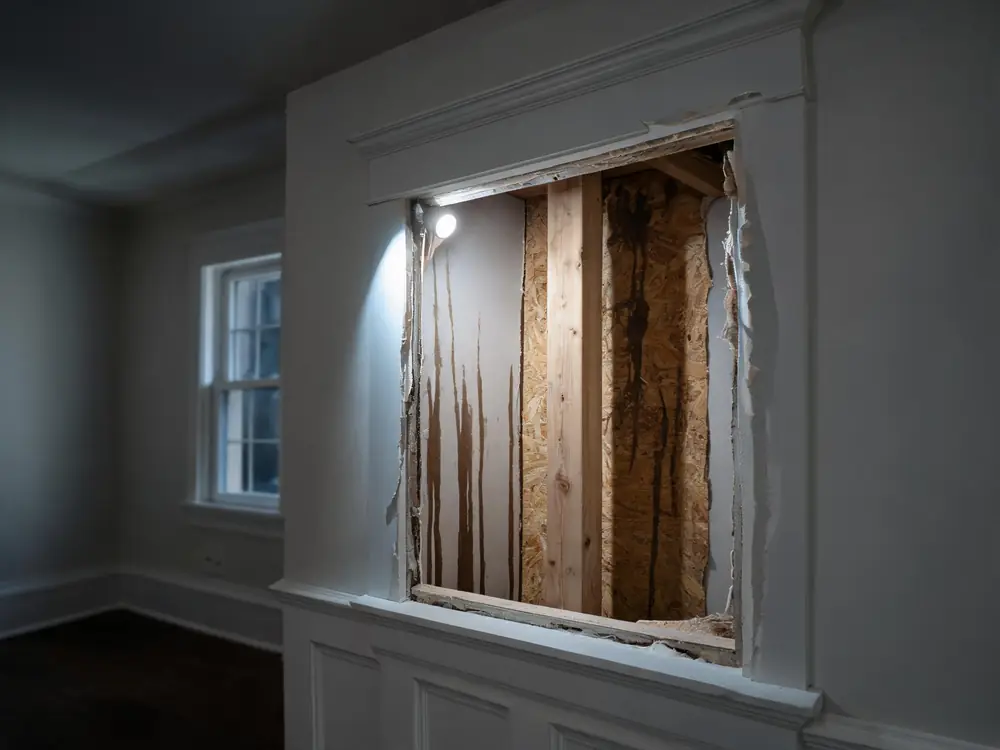
It often grows where you can't see it: on the back side of drywall, inside wall cavities, under vinyl flooring, and on the underside of subfloor. A musty smell, stained baseboards, or bubbling paint may be the only clue from the room side.
Key point: Color does not confirm the species. Many molds look black on a wall. Only lab analysis of a sample can tell you if it is Stachybotrys. Read our comparison of black mold vs. regular mold for the details.
Why Black Mold Forms
All molds need four things: spores, food, the right temperature, and moisture. Spores are everywhere, indoors and out. Food is any building material with cellulose. Most homes stay at temperatures mold likes. That leaves moisture as the one thing you can control, and it's why the EPA says the key to mold control is moisture control.
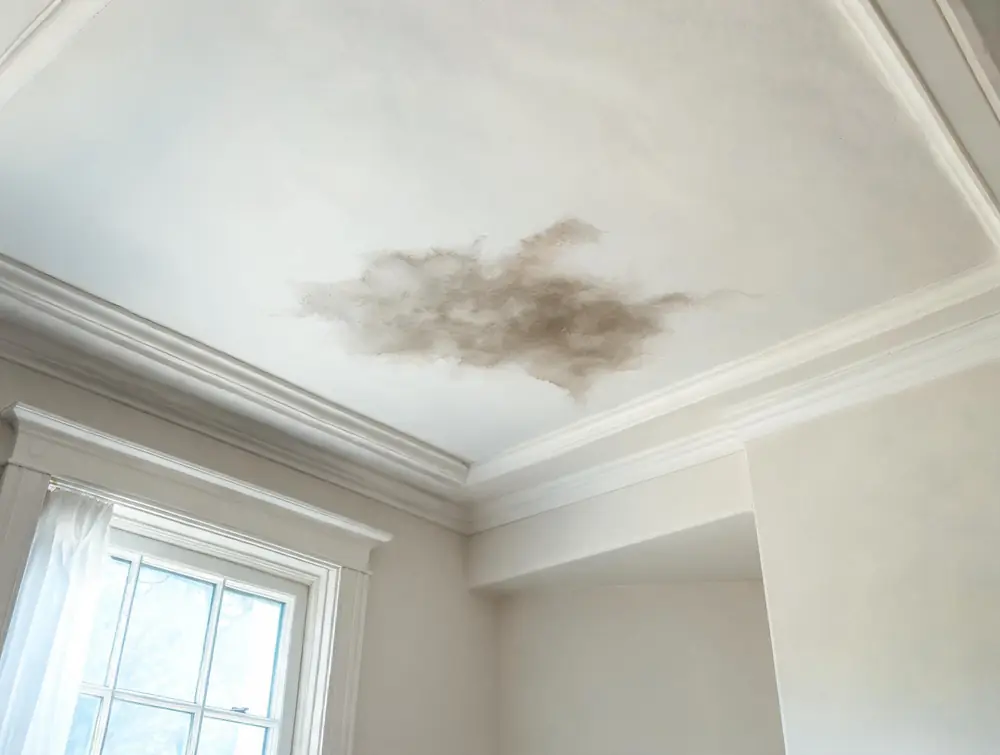
Stachybotrys needs more water than most molds. A damp bathroom might grow surface mildew within days, but Stachybotrys usually shows up on materials that have been soaked for a week or longer. Common causes include:
- Slow leaks from supply lines, toilets, tub drains, and dishwashers
- Roof leaks that soak attic insulation and ceiling drywall
- Basement flooding or groundwater seeping through foundation walls
- Burst pipes in winter that weren't dried out fully
- Condensation behind furniture on cold exterior walls
- Flood water from storms, which often soaks wall bottoms
The EPA notes that mold can begin growing on wet materials within 24 to 48 hours. Other molds usually arrive first. If the materials stay wet, Stachybotrys can follow.
Where We Find Black Mold in Gettysburg Homes
Gettysburg gets about 43 inches of precipitation a year, and summers are humid. Much of the older housing downtown sits on stone or fieldstone foundations that let groundwater seep through. That makes finished basements a common spot, especially where drywall was installed right against a damp wall.
We also see it under bathrooms in 1800s homes where old plumbing has been patched many times, in additions built over crawl spaces, and in rental houses near Gettysburg College where a small leak can go unreported for a semester. After major storms, like the remnants of Lee in 2011, wall bottoms and carpet in flooded basements are prime spots if they aren't dried quickly.
Is Black Mold "Toxic Mold"?
You'll often hear black mold called "toxic mold." Stachybotrys can produce compounds called mycotoxins, but the CDC says the term "toxic mold" is not accurate, because molds themselves are not toxic. Certain molds can produce toxins, and their presence does not mean a person will be exposed or get sick.
The CDC does say mold exposure can cause a stuffy nose, wheezing, and red or itchy eyes or skin, and that people with allergies, asthma, or weakened immune systems may react more strongly. You can read more on the CDC's mold and health page. If you have symptoms, talk to your doctor. We also cover this in our article on whether black mold is dangerous.
What to Do If You Find It
- Don't disturb it. Scraping, dry brushing, or blowing a fan at it spreads spores.
- Find and stop the water. Shut off a leaking line, call a roofer, or pump out standing water.
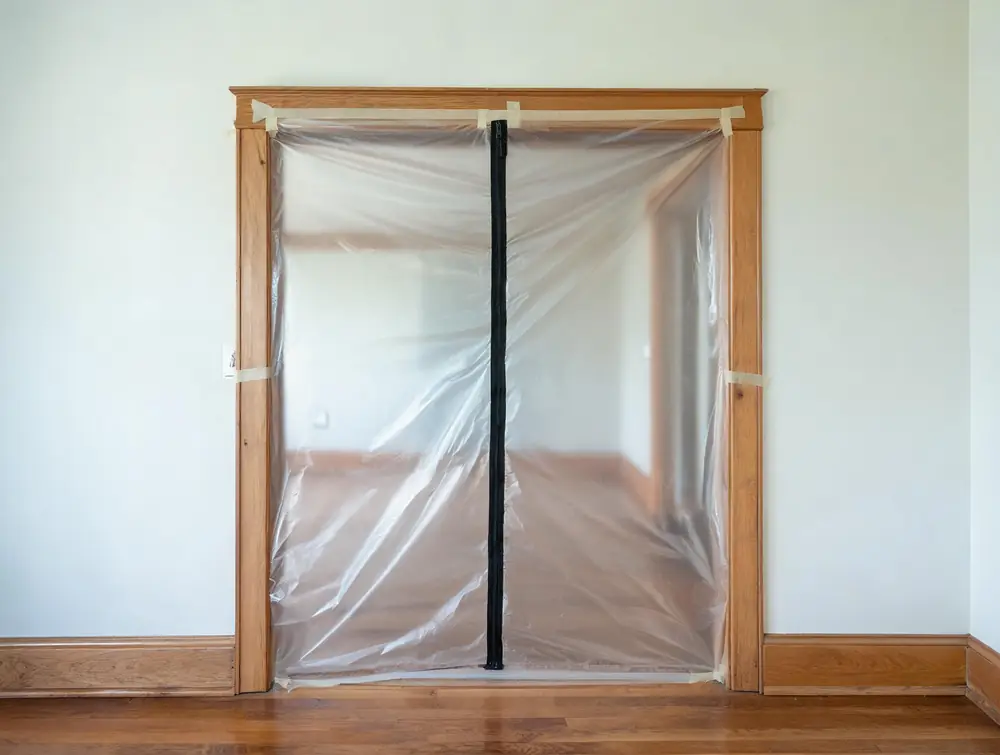
- Close off the room. Keep the door shut and turn off air that blows through the area.
- Measure the area. The EPA says areas over about 10 square feet generally call for following its remediation guidance and considering a professional. See the EPA's mold resources.
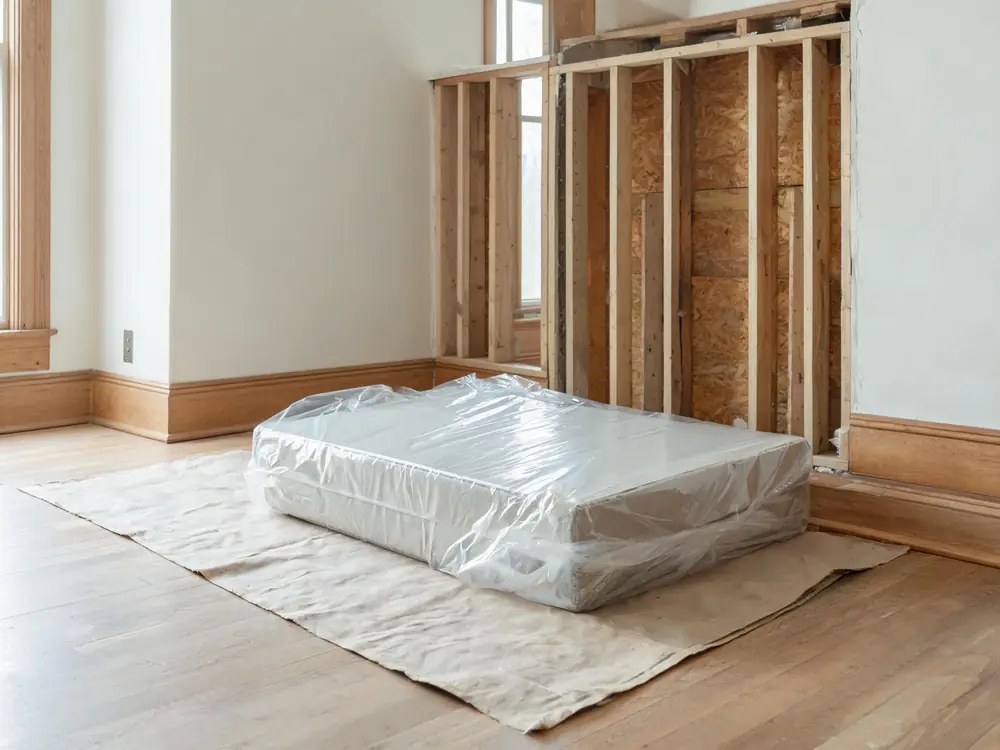
- Plan to remove, not paint. Moldy drywall and insulation usually need to be cut out and replaced.
When to Call a Professional
Call a pro if the growth covers more than about 10 square feet, if it came from flood or sewage water, if it keeps coming back, or if anyone in the home has health concerns. You should also call if you smell mold but can't see it, since that often means growth inside a wall. Our black mold removal service in Gettysburg uses containment, HEPA filtration, and moisture tracking to remove the growth and stop it from returning. We're open 24 hours at (717) 420-8919.