
Mold guide
Black Mold Removal Cost in Gettysburg, PA (2026 Prices)
Black mold removal cost in Gettysburg typically ranges from about $500 for a small patch to $6,000 for a basement or crawl space, and whole-home jobs can reach $10,000 to $30,000 or more. Where your job lands depends on the size of the area, what the mold is growing on, how hard it is to reach, and how much rebuilding follows. Here's how the numbers break down so you can budget before anyone steps into your home.

By Dale Hoffman, Remediation Lead
Published
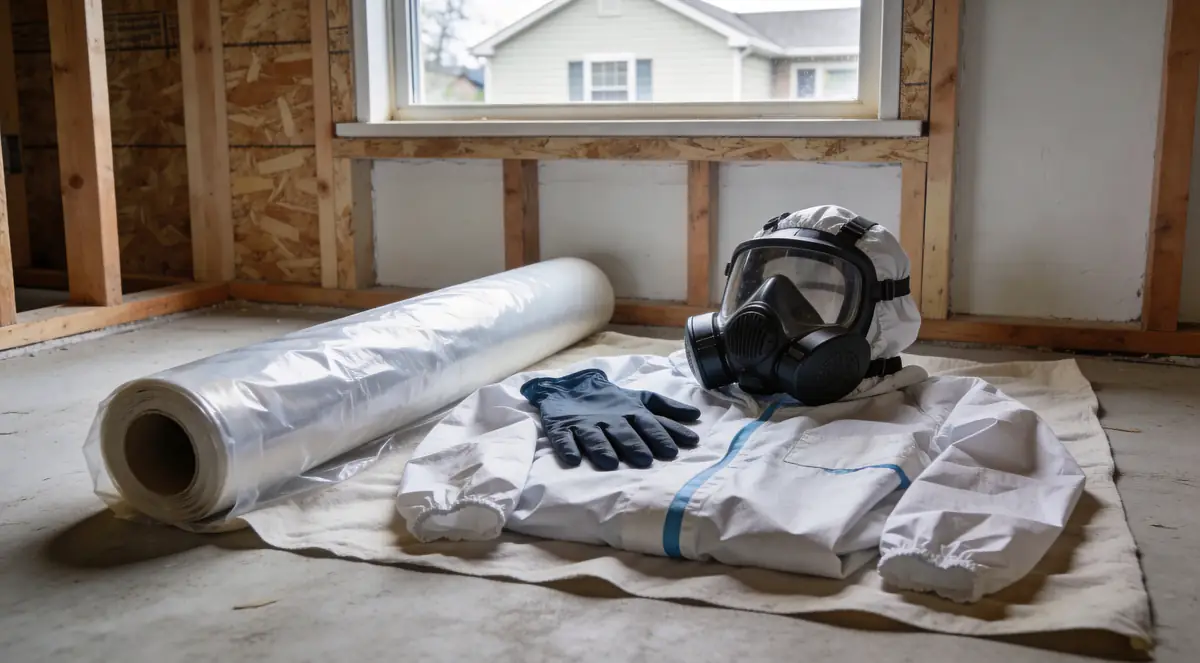
Typical Black Mold Removal Costs by Job Size
| Job | Typical Gettysburg range | What's usually involved |
|---|---|---|
| Small area, under 10 sq ft | $500-$1,500 | Limited containment, cut-out of a drywall section, HEPA cleanup |
| Basement or crawl space | $1,500-$6,000 | Larger containment, joist and sill cleaning, dehumidification |
| Whole home | $10,000-$30,000+ | Multiple zones, HVAC work, extensive removal and rebuild |
A single room or bathroom often falls between the small-area and basement ranges, depending on how far the mold has spread inside the walls. These are typical market ranges, not our quotes. Every home is different, and final pricing comes after an inspection. National references from Angi and HomeAdvisor-style cost guides put the average professional mold remediation job at roughly $1,200 to $3,800.
What Drives the Price
Two jobs of the same square footage can cost very different amounts. These are the biggest factors:
If this is happening in your own home, the team here can walk the property first.
- Size of the affected area. More square feet means more material to remove and more labor.
- Materials involved. Moldy drywall, insulation, and carpet get removed and replaced. Framing and subfloor are usually cleaned and sanded, which takes time.
- Access. A tight crawl space under an addition or an attic with low headroom costs more to work in than an open basement.
- Containment level. Bigger jobs need more plastic barriers, negative air machines, and HEPA air scrubbers.
- HVAC involvement. If spores have reached ductwork, cleaning adds cost.
- Cause of the water. Flood or sewage water calls for more removal and stricter cleaning.
- Hidden mold. Growth inside walls often turns out larger than it looked from the room side.
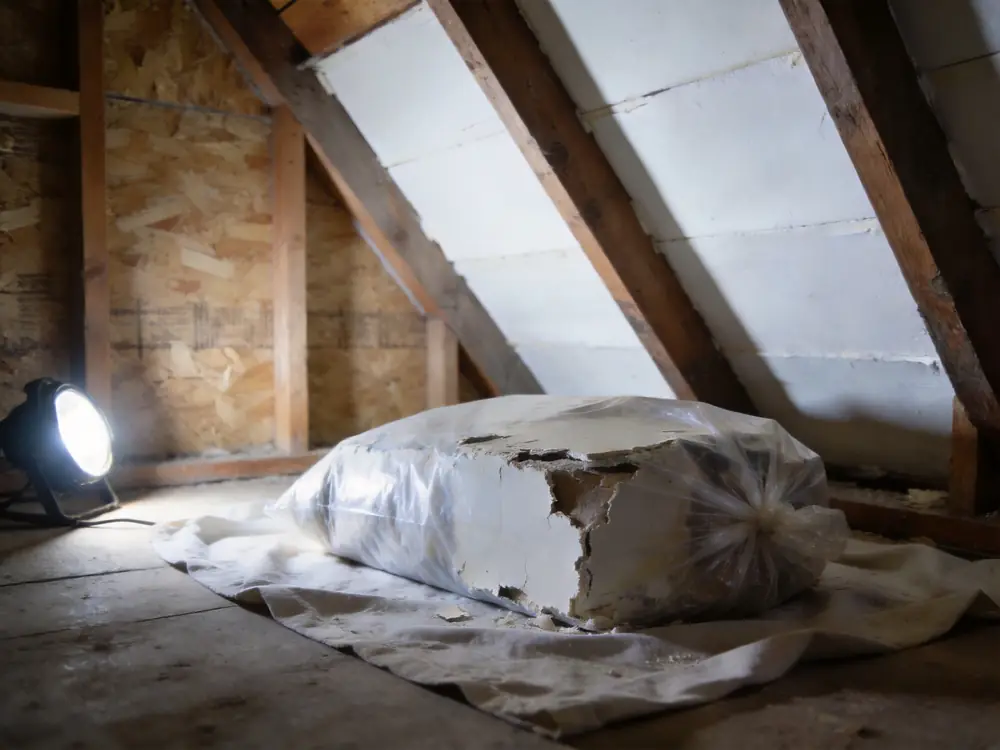
Costs That Are Often Separate
| Item | Why it may be extra |
|---|---|
| Mold inspection or testing | Air or surface sampling and lab fees before work starts |
| Clearance testing | Independent testing after the work, recommended to confirm results |
| Leak repair | Plumbing, roofing, or drainage fixes by other trades |
| Rebuild | New drywall, paint, trim, flooring after removal |
| Contents cleaning | Cleaning or replacing belongings, rugs, and furniture |
Budget tip: Ask any company to separate removal, testing, and rebuild on the estimate. That makes it easier to compare bids and to see what your insurance may cover.
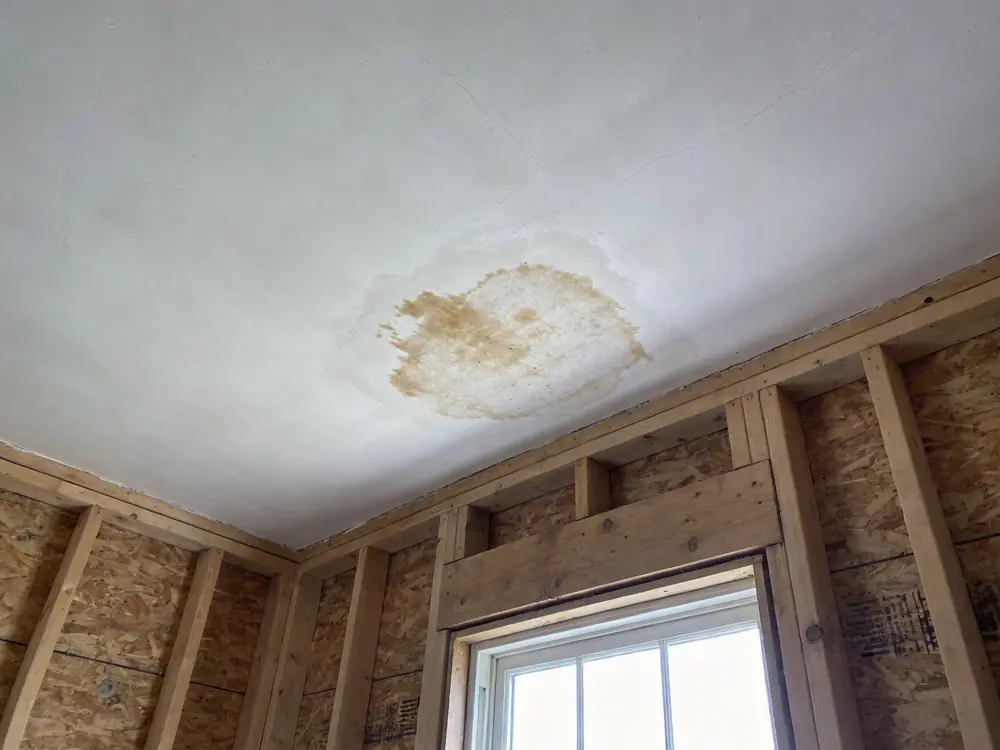
Why Gettysburg Homes Can Cost More (or Less)
Local housing affects price. Many homes in the Gettysburg Historic District date to the 1800s, with fieldstone foundations that let groundwater seep into basements. Mold there often grows on floor joists and sill plates, which get cleaned and sanded rather than replaced. That can keep costs moderate.
On the other hand, plaster walls, old-growth lumber, and tight spaces under later additions take more careful work. If an exterior repair is needed to stop the water, such as new windows or roofing, the Historic Architectural Review Board reviews exterior changes in the district, which can affect timing. Gettysburg's roughly 43 inches of yearly precipitation and humid summers also mean dehumidification is often part of the job.
DIY vs. Professional Cost
For a patch under about 10 square feet on a hard surface, the EPA says a homeowner can often handle cleanup. Supplies like an N95 respirator, goggles, gloves, detergent, and trash bags may cost under $100. But DIY skips containment and HEPA filtration, and it's easy to miss mold behind the wall. Read our guide on removing black mold yourself before you decide.
A failed DIY job can cost more later if mold spreads to new areas or the moisture source is never fixed.
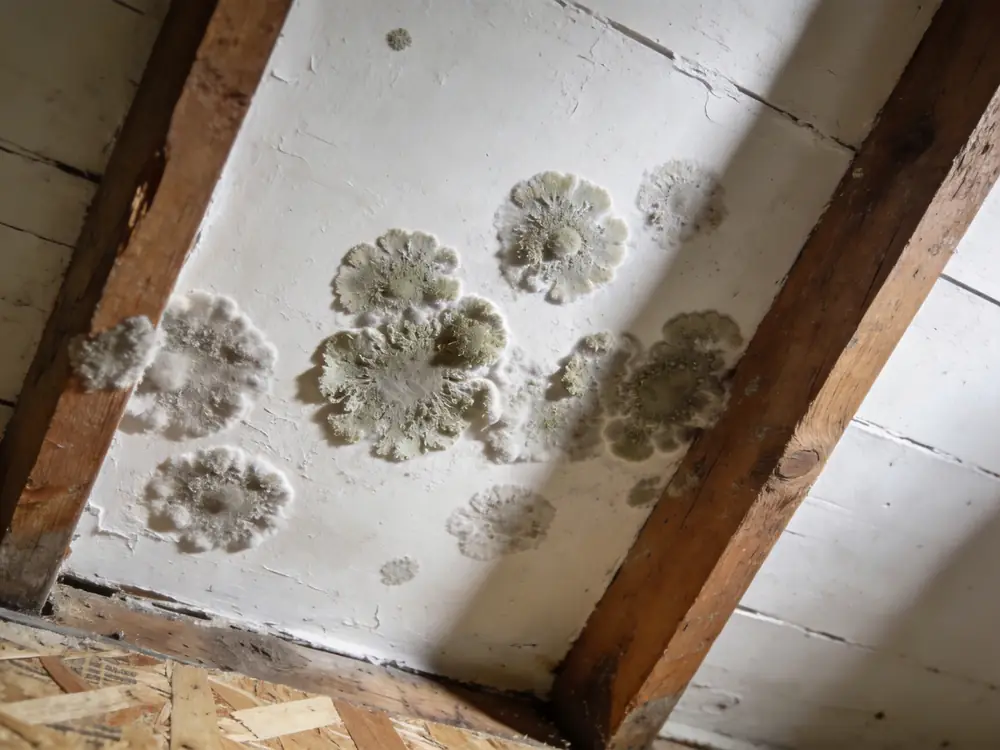
Does Insurance Pay for It?
Coverage depends on your policy and the cause. Many homeowners policies cover mold that results from a sudden, covered event such as a burst pipe, sometimes with a dollar cap. Mold from long-term leaks, humidity, or poor maintenance is often excluded. Flood damage usually needs separate flood insurance. Read your policy, call your insurer, and see the Pennsylvania Insurance Department for consumer help. For more detail on costs and coverage, see our page on mold remediation cost in Gettysburg.
How to Keep Costs Down
- Act fast. The EPA notes mold can start growing within 24 to 48 hours on wet materials. Drying quickly limits damage.
- Stop the water first. Paying to remove mold twice is the most expensive outcome.
- Don't disturb it. Scraping spreads spores and can enlarge the job.
- Get a written scope. Know exactly what's being removed and why.
- Control humidity. The EPA recommends keeping indoor humidity below 60 percent, ideally 30 to 50 percent. A basement dehumidifier helps prevent a repeat bill.
When to Call a Professional
If the mold covers more than about 10 square feet, is hidden in walls, came from flood water, or keeps coming back, get a professional estimate. Our black mold removal service in Gettysburg starts with an inspection and a written estimate, so you know the cost before work begins. Call (717) 420-8919, 24 hours a day.
The overview this belongs to is Is Black Mold Dangerous? Exposure Symptoms and Risks.