What Causes That Musty Smell
The musty odor comes from microbial volatile organic compounds, or MVOCs. These are gases that mold and some bacteria give off as they digest materials like wood, paper, and dust. You can often smell them before any growth is big enough to see.
Owners who would rather not handle it themselves can call our Gettysburg mold remediation team.
A musty smell doesn't always mean mold, though. Other possible causes include:
- Damp materials that haven't grown mold yet, such as wet cardboard boxes or a soaked rug.
- A dry P-trap in an unused floor drain or sink, letting sewer gas in.
- Bacterial growth in a dirty AC drain pan.
- Old books, clothes, or furniture stored in a damp space.
Still, in a home that smells musty and has any history of water, mold is the most likely cause.
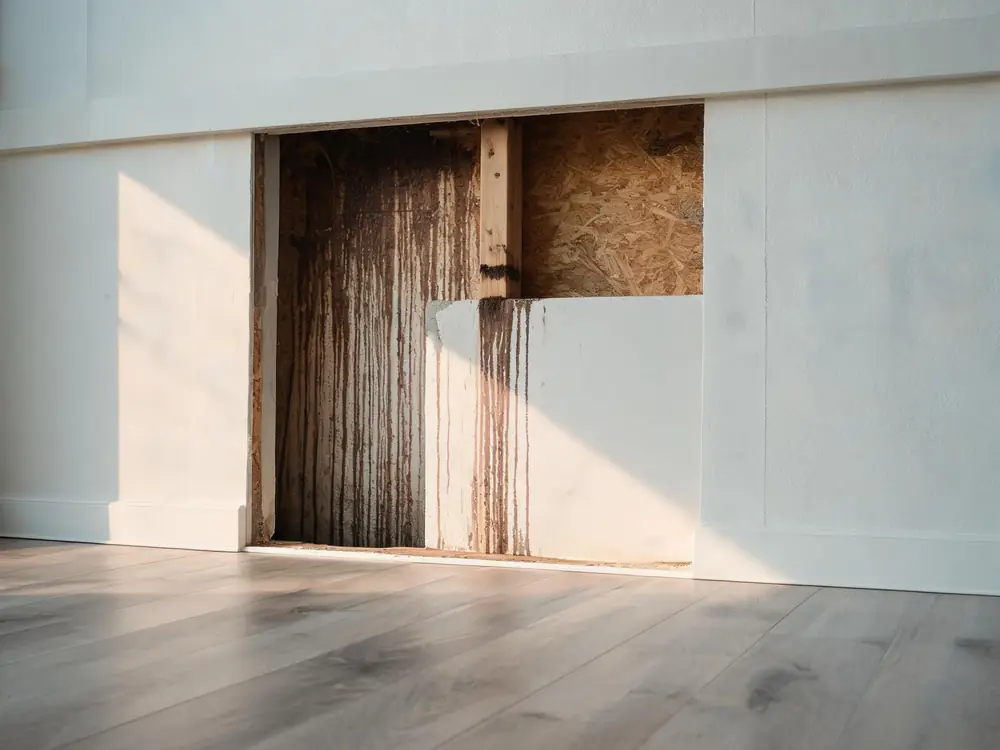
The Most Common Hidden Sources in Pennsylvania Homes
| Source | Why it grows mold | Clues |
|---|---|---|
| Basement walls and joists | Ground moisture through stone or block walls; humid summers | Smell strongest downstairs, efflorescence, damp storage boxes |
| Crawl space under an addition | Bare soil, no vapor barrier, little airflow | Smell near the addition, cold floors, sagging insulation |
| Inside bathroom walls | Shower or supply leaks, failing grout | Smell near the tub, loose tile, stain in the ceiling below |
| Under sinks and dishwashers | Slow drips from drain or supply lines | Swollen cabinet floor, smell when doors open |
| HVAC system | Condensation at the coil, clogged drain line | Smell when the system turns on, especially cooling season |
| Attic | Bath fans vented into attic, poor ventilation | Smell on upper floors in summer, dark roof sheathing |
| Carpet and pad | Past spill, flood, or concrete slab moisture | Smell worse on humid days, dark stains on pad |
| Behind furniture on outside walls | Cold walls cause condensation where air can't move | Smell in a closet or behind a dresser |
How to Track Down the Source Yourself
- Follow your nose. Walk the house room by room right after it has been closed up, like first thing in the morning. Note where the smell is strongest.
- Start low. Check the basement or crawl space first. Moisture and odors often start at the lowest level and move up through the house.
- Measure humidity. A $20 to $40 hygrometer tells you a lot. The EPA recommends indoor relative humidity below 60%, ideally 30% to 50%.
- Open cabinets and closets. Smell inside sink bases, closets on exterior walls, and storage areas.
- Check the HVAC system. Notice whether the smell gets stronger when heating or cooling starts. Look at the drain pan and drain line if you can do so safely.
- Look for water clues. Stains, bubbling paint, soft drywall, or warped trim near where the smell is strongest.
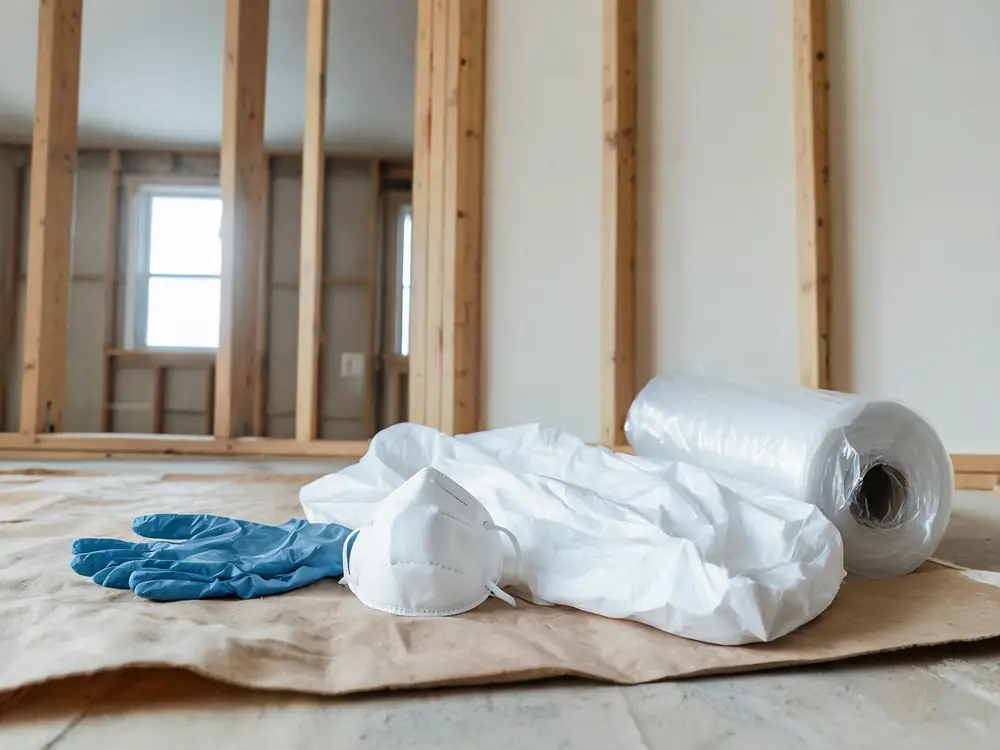
- Don't cut into walls. Opening a wall with hidden mold can release spores into the house. Leave that to someone with containment.
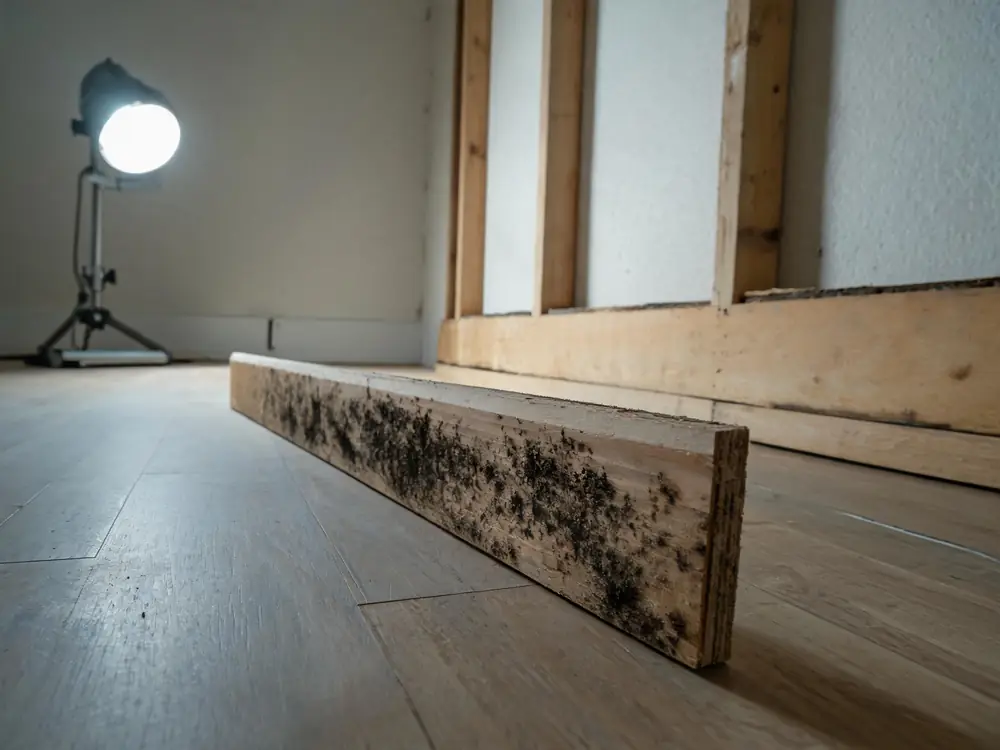
Why Gettysburg Homes Often Smell Musty
Many Gettysburg houses are more than 100 years old, especially in and around the historic district. Fieldstone foundations let ground moisture through. Plaster and lath walls hide damp spots well. Additions built over crawl spaces often have bare dirt floors. And the region's humid July and August weather, on top of about 43 inches of precipitation a year, keeps basements damp for months.
A common pattern we hear: the house smells fine all winter, then turns musty in June when the air gets humid and the basement stays cool. That's condensation and ground moisture feeding growth on wood, stored items, and dust. Many older rental homes near Gettysburg College show the same pattern when they sit closed up over the summer.
Buying a Home That Smells Musty?
If a house you're touring smells musty, take it seriously. Sellers sometimes air out, run dehumidifiers, or use fragrance before showings. A mold inspection before buying a home can tell you whether there's a real moisture problem and what it may cost to fix, while you still have room to negotiate.
When a Musty Smell Needs Testing
This is one of the situations where mold testing earns its cost. Since nothing is visible, air samples compared to an outdoor baseline, and sometimes a sample from inside a wall cavity, can confirm whether there's an indoor source and point to the area. Testing works best alongside moisture mapping with meters and thermal imaging.
For more on moisture and odors, the EPA's Brief Guide to Mold, Moisture, and Your Home is a good read.
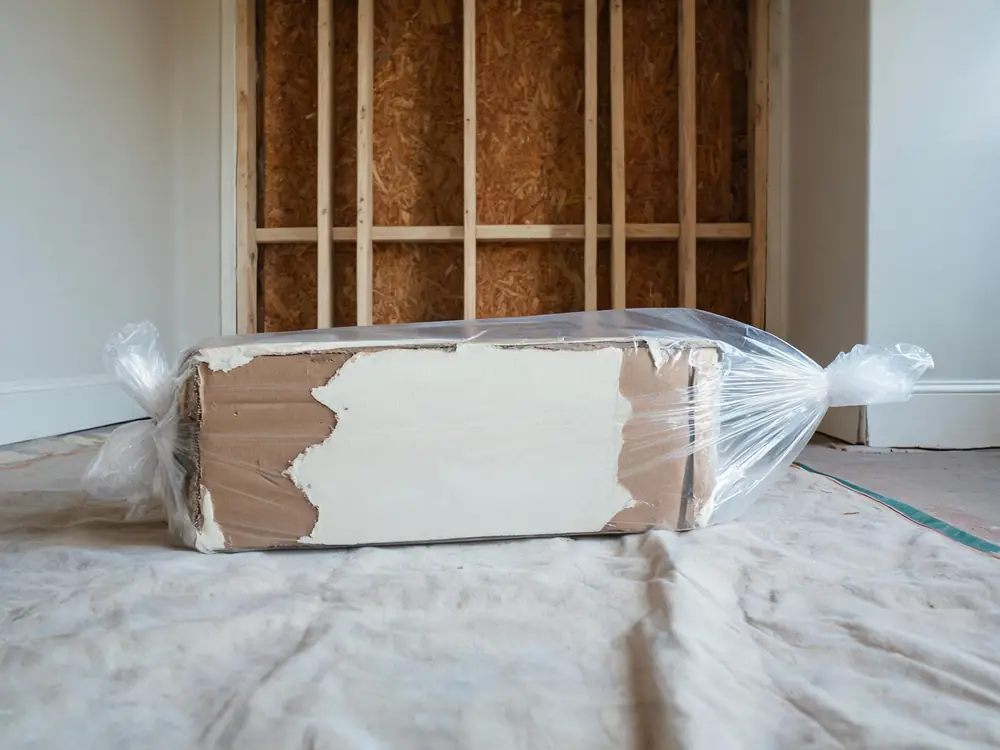
When to Call a Professional
If the smell lasts more than a few days after you've dried things out, keeps coming back on humid days, or you can't find a source, it's time for professional mold inspection and testing. We'll find where the moisture is and whether mold is growing. Call (717) 420-8919 any time, day or night.