Common Causes of Mold Under the Sink
A sink cabinet is dark, closed and often packed with cleaning supplies, so small drips go unnoticed. The usual sources are:
Dealing with this in a Gettysburg property? That is the everyday work of mold remediation in Gettysburg, PA.
- Loose slip nuts on the P-trap that drip only when the sink drains.
- Worn supply lines or shutoff valves that weep constantly.
- Dishwasher drain hose or supply line connections that leak during cycles.
- Garbage disposal seals that fail with age.
- Failed caulk around the sink rim that lets water run down the inside of the cabinet.
- Faucet base leaks that travel down the supply lines.
- Condensation on cold water lines in humid summer months.
In older homes, sinks on exterior walls also face winter freezing. A cracked line may only leak after a thaw.

How to Find the Leak
- Empty the cabinet completely and dry every surface with a towel.
- Lay dry paper towels on the cabinet floor under each connection.
- Run the faucet on hot, then cold, for a few minutes each.
- Fill the sink and let it drain all at once to test the trap.
- Run the dishwasher and the disposal.
- Check the paper towels and run a dry tissue around each joint to see where water shows up.
Tip: if the cabinet floor is wet but every connection seems dry, check the sink rim caulk and the faucet base. Water often runs down the back wall before it shows up on the cabinet floor.
How to Clean It Up
Once the leak is fixed, the cleanup depends on what the cabinet is made of and how long it was wet.
| Material | What to do |
|---|---|
| Solid wood or plywood cabinet floor | Clean with detergent and water, dry fully, then seal. Replace if soft or delaminated. |
| Particleboard or MDF cabinet floor | Replace if swollen, crumbling or moldy. It soaks up water like a sponge. |
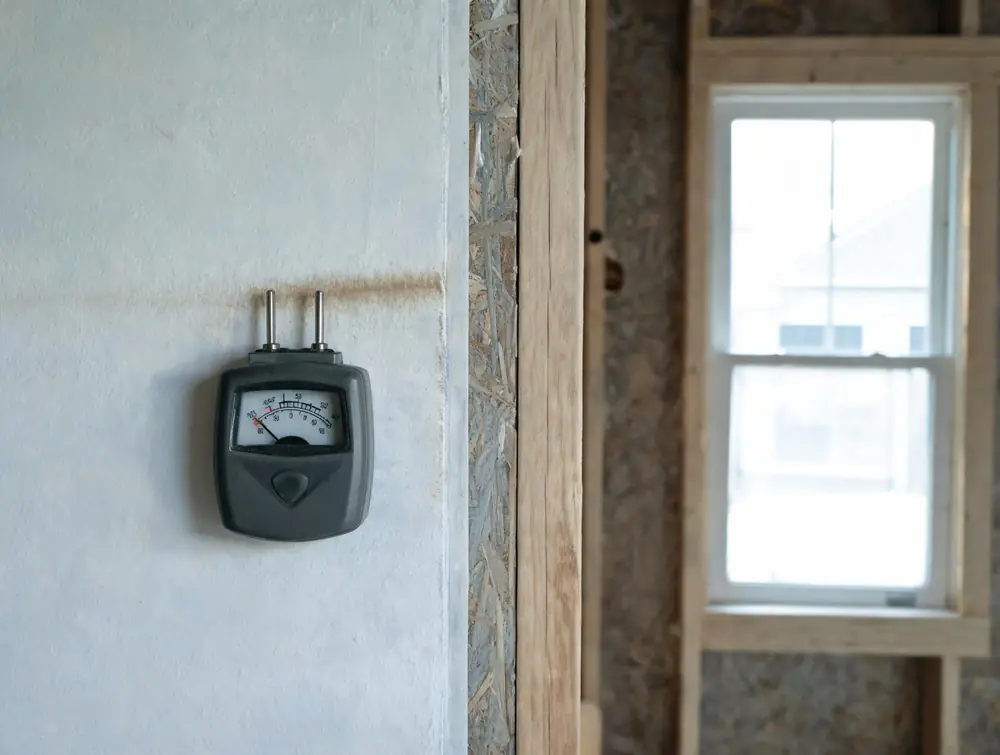
| Drywall behind the cabinet | Check with a moisture meter. Cut out if wet for more than 48 hours or moldy. |
| Subfloor under the cabinet | Inspect from below if possible. Dry or replace damaged sections. |
| Plastic, metal and glass items | Wipe clean and dry. |
| Cardboard boxes and paper products | Discard. |
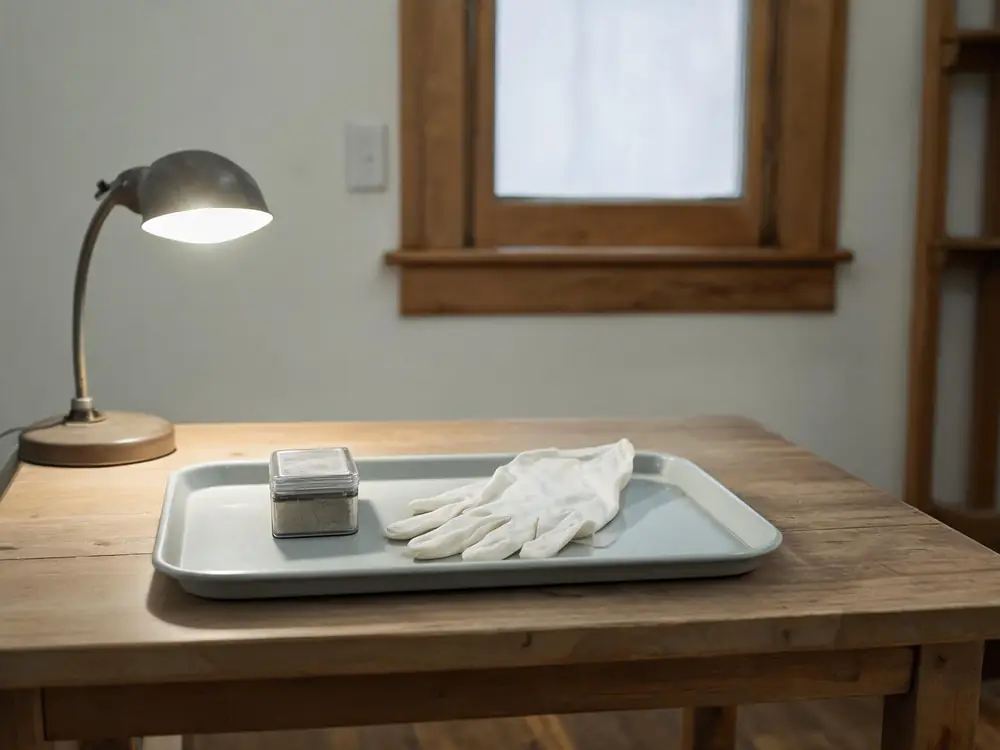
Wear gloves, eye protection and an N95 respirator while cleaning. Scrub with detergent and water, then let the cabinet dry with the doors open and a fan pointed in for a day or two. The EPA does not recommend bleach as a routine mold treatment, and bleach should never be mixed with ammonia.
When the Problem Goes Deeper
Long-running sink leaks often reach places you cannot see from inside the cabinet. Signs of a bigger problem include:
- A musty smell that stays after the cabinet is clean.
- Stains on the ceiling below if the kitchen is over a basement or another room.
- Soft or buckled flooring in front of the cabinet.
- Peeling paint or baseboard swelling next to the sink base.
- Mold on the joists or subfloor seen from the basement.
If you see these, the wall cavity or subfloor probably needs to be opened and dried. The EPA suggests areas larger than about 10 square feet call for extra caution.
How to Keep Mold From Coming Back
- Check under the sink once a month with a flashlight.
- Put a leak alarm or a sensor on the cabinet floor.
- Replace rubber supply lines with braided stainless steel lines.
- Line the cabinet floor with a waterproof tray so leaks are easy to spot.
- Keep indoor humidity below 60 percent, as the EPA recommends.
Moisture problems in one part of the house often show up in others. Winter condensation on older windows is another common one, covered in our guide to mold on window sills.
When to Call a Professional
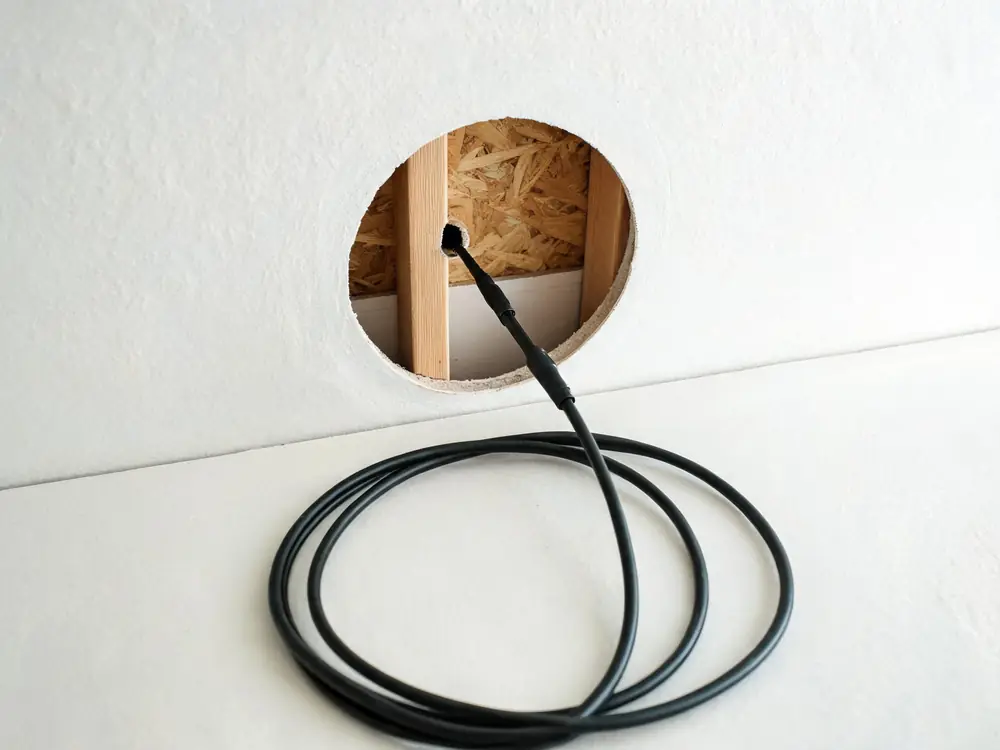
Call for help if mold has spread past the cabinet into the wall, floor or ceiling below, if the leak ran for weeks, or if the affected area is larger than about 10 square feet. Our water damage and mold restoration team serves Gettysburg homes 24 hours a day at (717) 420-8919. We find hidden moisture, remove damaged materials under containment and dry the area so it can be rebuilt. For more background, see the EPA's mold resources.