Why Gettysburg's Climate Grows Mold
Gettysburg has a humid continental climate with about 43 inches of precipitation a year, spread fairly evenly across the months. Summers are warm and muggy. Winters swing above and below freezing. Marsh Creek and Rock Creek drain the area, and heavy rain can raise groundwater around basements. You can follow local forecasts and climate data from the National Weather Service in State College.
The region also has a history of tropical storm flooding. Agnes in 1972, Ivan in 2004, and Lee in 2011 all caused major flooding in south-central Pennsylvania. Those storms arrived between June and September.
This is routine work for a local Gettysburg mold remediation company.
Month-by-Month Mold Risk
| Months | Main risk | What to check |
|---|---|---|
| January to February | Frozen and burst pipes; window condensation | Pipes in crawl spaces and exterior walls; window sills |
| March to April | Snowmelt, spring rain, rising groundwater | Basement walls, sump pump, gutters |
| May to June | Humidity climbs; basements feel damp | Start the dehumidifier; check hygrometer readings |
| July to August | Peak humidity and heavy thunderstorms | Basement humidity, AC drain line, crawl space |
| September to October | Tropical storm remnants and heavy rain | Roof, gutters, basement after storms |
| November to December | Heating season starts; attic condensation | Attic sheathing, bath fan venting, gutters after leaf fall |
Summer: The Peak
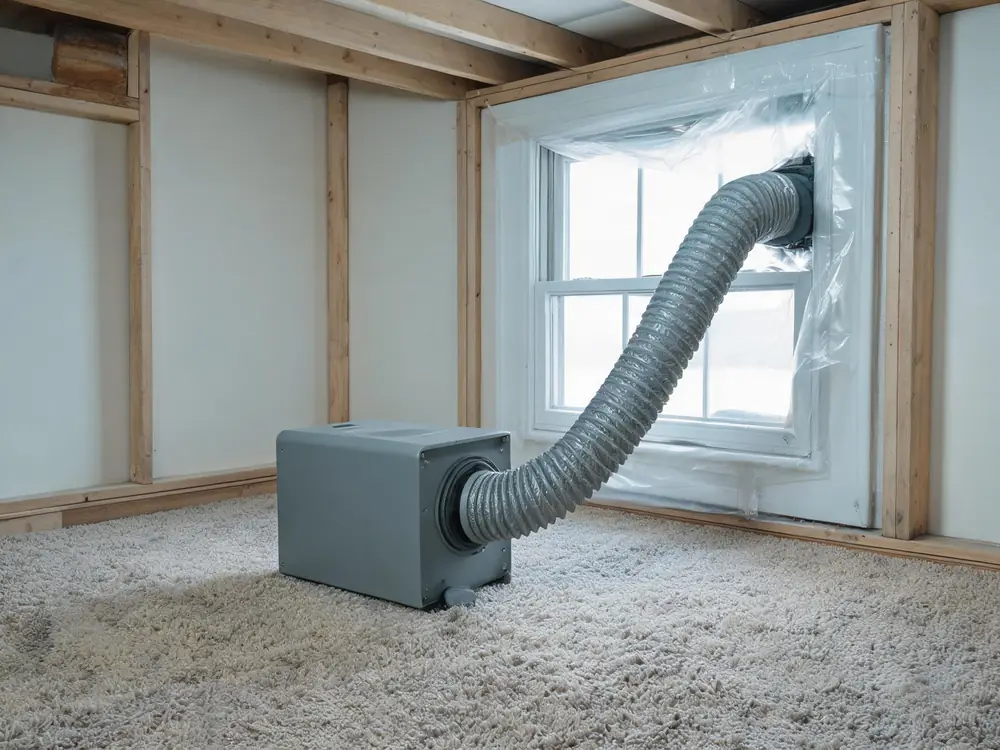
When warm, humid air enters a cool basement, its relative humidity rises. That is why many Gettysburg basements hit 65% to 75% humidity in summer without any leak at all. Fieldstone and rubble foundations, common in the historic district, add ground moisture. Run a dehumidifier set around 50% and keep basement windows closed on muggy days.
Summer is also when window AC units and mini-splits grow mold in their drip pans and coils if they are not cleaned.
Fall: Storms and Leaves
Late summer and fall bring the heaviest single rain events, often from tropical storm remnants. Falling leaves clog gutters just as those rains arrive. Check the basement within a day of any big storm. Wet materials should be dried within 24 to 48 hours, when mold can begin to grow.
Winter: Hidden Moisture
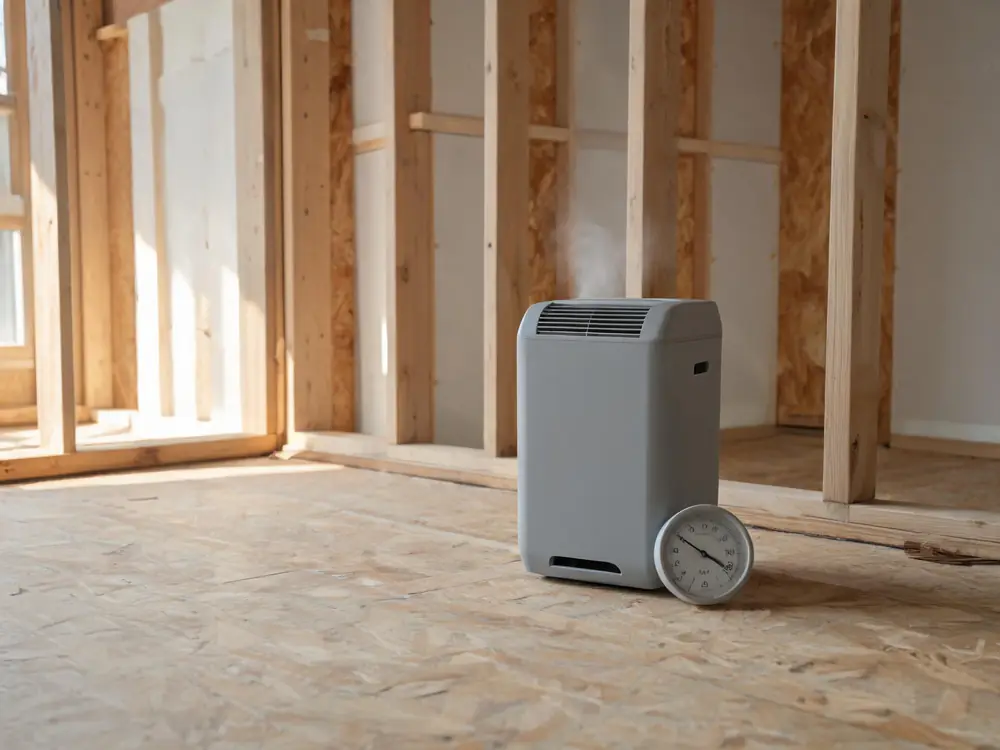
Mold does not stop in winter. Warm, moist indoor air meets cold surfaces and condenses on windows, exterior wall corners, and attic sheathing. Bathroom fans that vent into the attic, still common in older homes, add to it. Freeze-thaw cycles also burst pipes in unheated additions and crawl spaces, often soaking walls before anyone notices.
Spring: Snowmelt and Rain
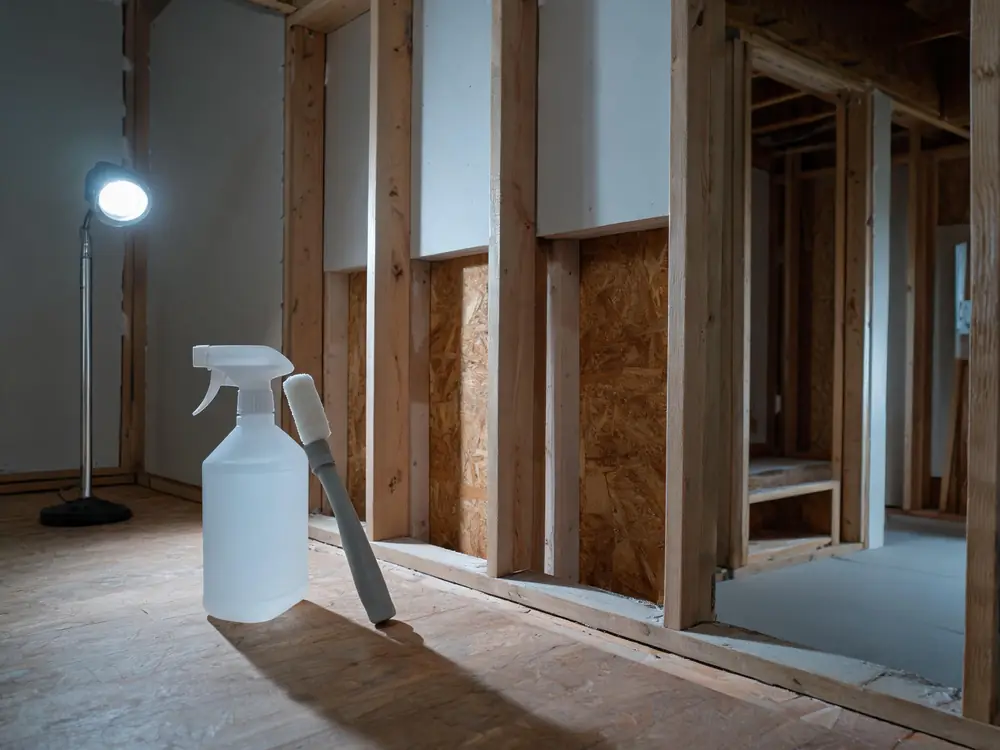
As snow melts and spring rains fall, groundwater rises. Basements that stay dry most of the year may seep. This is the time to test your sump pump, clear gutters, and check that downspouts carry water at least 4 to 6 feet from the foundation.
Outdoor Mold vs. Indoor Mold
Outdoor mold spores in the air rise in warm, humid months and after leaves fall, which can bother people with allergies. Indoor mold is a separate issue. It grows where there is moisture inside the home, in any month. The EPA recommends keeping indoor humidity below 60%, ideally 30% to 50%, all year.

What If You Find Mold After a Bad Season?
Finding mold after a wet summer or a storm is scary, but most homes recover well. Framing and concrete can usually be cleaned, while drywall and insulation get replaced. Read can a house with mold be saved for what to expect, and our guide on preventing mold for a full plan.
When to Call a Professional
If a storm, leak, or humid summer has left mold covering more than about 10 square feet, or you smell mustiness you cannot find, get it checked. See our mold remediation process, or call (717) 420-8919. We are open 24 hours, including storm season.