Why Old Buildings Get Mold
Buildings from the 1800s were designed to breathe. Thick masonry walls absorbed rain and dried out through air movement. Many of the problems we see come from changes made later that trap moisture:
- Modern coatings on old walls. Waterproof paints and cement parging on stone or soft brick can hold moisture inside the wall.
- Finished basements. Drywall and carpet installed against a stone foundation stay damp and feed mold.
- Bathrooms added to older layouts. Fans often vent into attics or wall cavities instead of outside.
- Grading and gutters. Raised sidewalks, clogged gutters and downspouts that dump next to the foundation push water into the basement.
- Central air in tight spaces. Ducts in unconditioned attics or crawl spaces can sweat in humid summers.
Gettysburg averages about 43 inches of precipitation a year, and July and August are humid. Basements in older homes with rubble foundations are often the first place mold shows up. Our guide to mold in stone foundation basements covers that specific problem.
When it is past the point of a bucket and a fan, our Gettysburg mold crew can scope the job.
Materials in Historic Buildings and How We Treat Them
The right method depends on the material, how wet it got and how much growth is present. This table shows common approaches.
| Material | Typical approach | What to avoid |
|---|---|---|
| Old-growth framing and joists | HEPA vacuum, hand scrub or light sanding, antimicrobial treatment, dry thoroughly | Replacing sound timber that only has surface growth |
| Lime or horsehair plaster | Clean sound plaster in place; remove only loose or saturated sections | Soaking plaster with water-based cleaners; sealing wet walls |
| Fieldstone and rubble foundations | Brush and HEPA vacuum, improve drainage and dehumidify | Waterproof coatings that trap moisture in mortar |
| Original trim, doors and floors | Gentle hand cleaning, careful drying | Aggressive abrasive blasting that erodes wood detail |
| Later additions: drywall, carpet, insulation | Remove and replace when moldy | Trying to clean porous modern materials |
Why Harsh Methods Can Do Damage
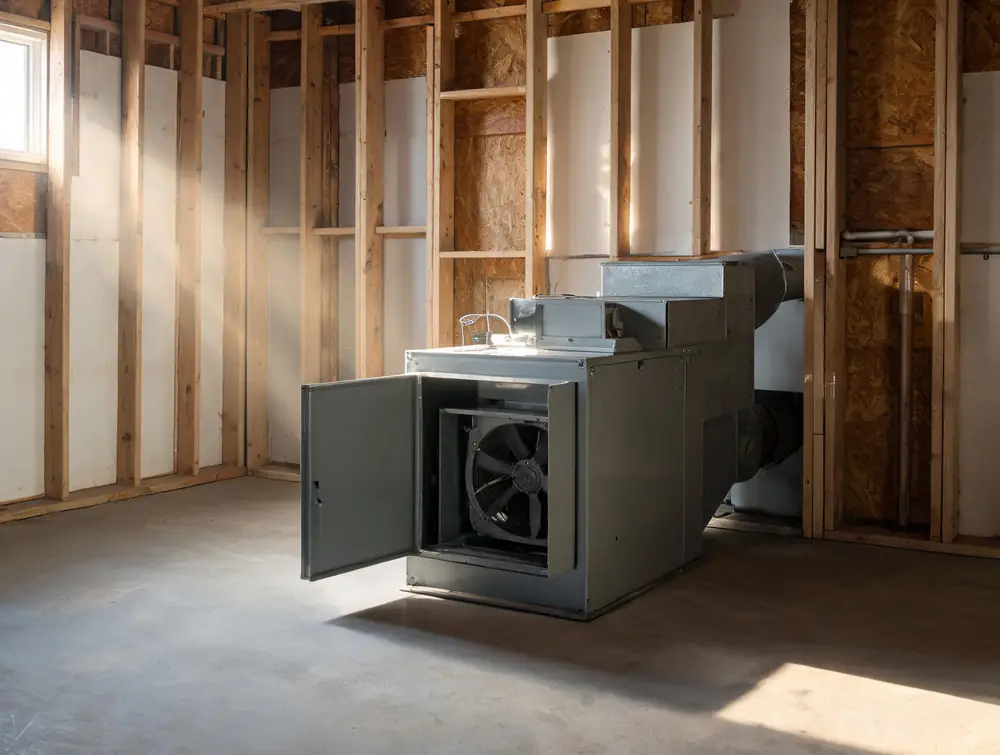
Some common remediation tools are fine in a 1990s attic but risky in an 1850s parlor. Heavy abrasive blasting can remove soft wood and blur hand-planed edges. Soaking plaster with liquid cleaners can loosen it from the lath. Bleach adds water to porous materials and does not remove the dead mold, which can still cause allergic reactions. The EPA stresses physical removal and moisture control rather than relying on chemicals.
Our approach for historic properties follows the IICRC S520 standard for mold remediation, with a bias toward the least invasive method that will get the material clean. That usually means more hand work and more time, but less loss of original fabric.
Our Process for Historic Properties
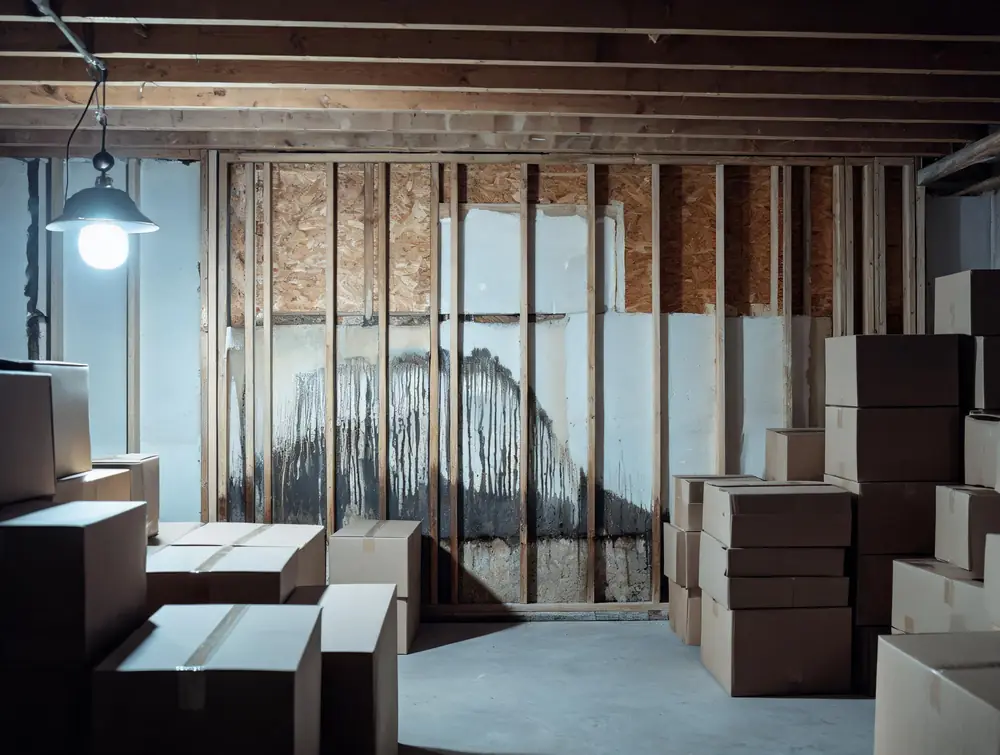
- Assessment. We map moisture with meters and thermal imaging, identify original versus later materials, and photograph everything before work starts.
- Source correction plan. We identify the leak, drainage or ventilation problem and explain the fix. Exterior changes in the historic district may need approval, so we note which repairs could involve the borough.
- Containment. Plastic barriers are attached with methods that will not pull paint or plaster, and we protect floors and trim.
- HEPA air filtration. Air scrubbers run throughout to capture spores released during cleaning.
- Targeted removal and gentle cleaning. Porous modern materials come out. Original hard materials are HEPA vacuumed and hand cleaned.
- Controlled drying. We dry slowly enough to avoid cracking plaster or checking old wood, and monitor moisture until materials are stable.
- Clearance. We recommend independent clearance testing before containment comes down.
The Gettysburg Historic District and HARB
Much of downtown Gettysburg falls within the Gettysburg Historic District. The Historic Architectural Review Board (HARB) reviews exterior changes to buildings in the district. Mold remediation inside a building usually does not involve exterior changes. But the fix for the moisture often does: new gutters, regrading, window repair, a new exterior vent or a replaced roof. Check with the Borough of Gettysburg before starting exterior work so the project is not delayed.
Many properties near Gettysburg National Military Park also carry historic value beyond the district boundaries. The same gentle approach applies to farmhouses, barns converted to living space, and stone outbuildings.
Historic Buildings That Are Also Businesses
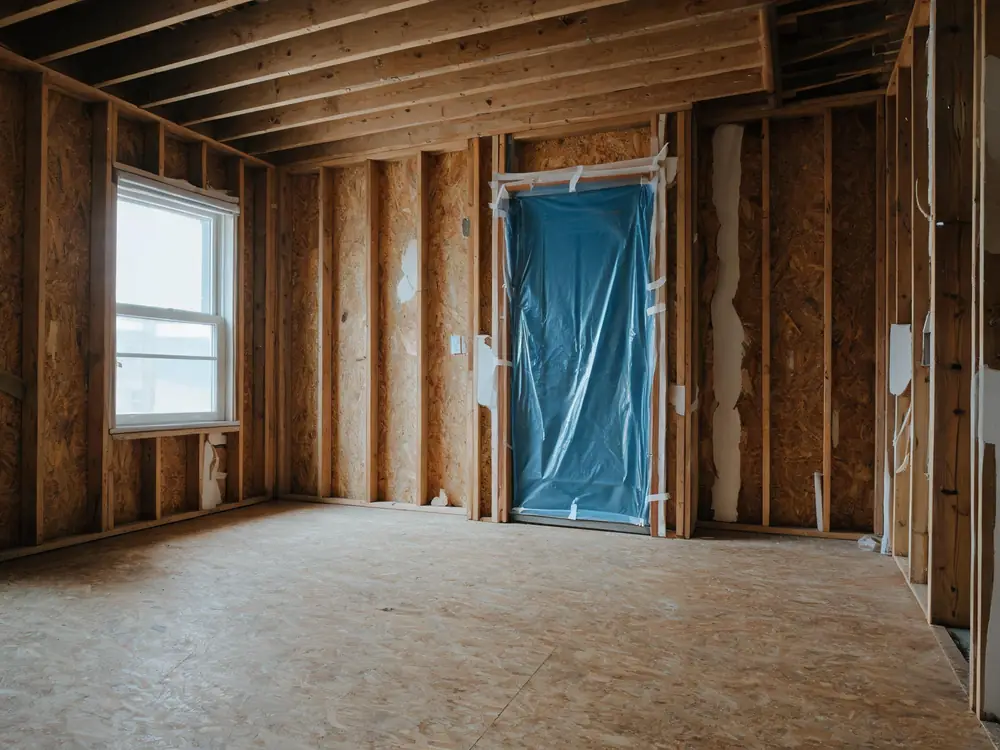
Many historic Gettysburg buildings now serve as inns, restaurants, shops and offices, often with apartments on upper floors. That adds scheduling pressure on top of preservation concerns. We plan work in phases so guest rooms and dining areas stay open where possible. If you run a lodging business, our guide to mold remediation for hotels and B&Bs covers guest-facing issues like odor and room turnover.
Prevention Tips for Owners of Older Buildings
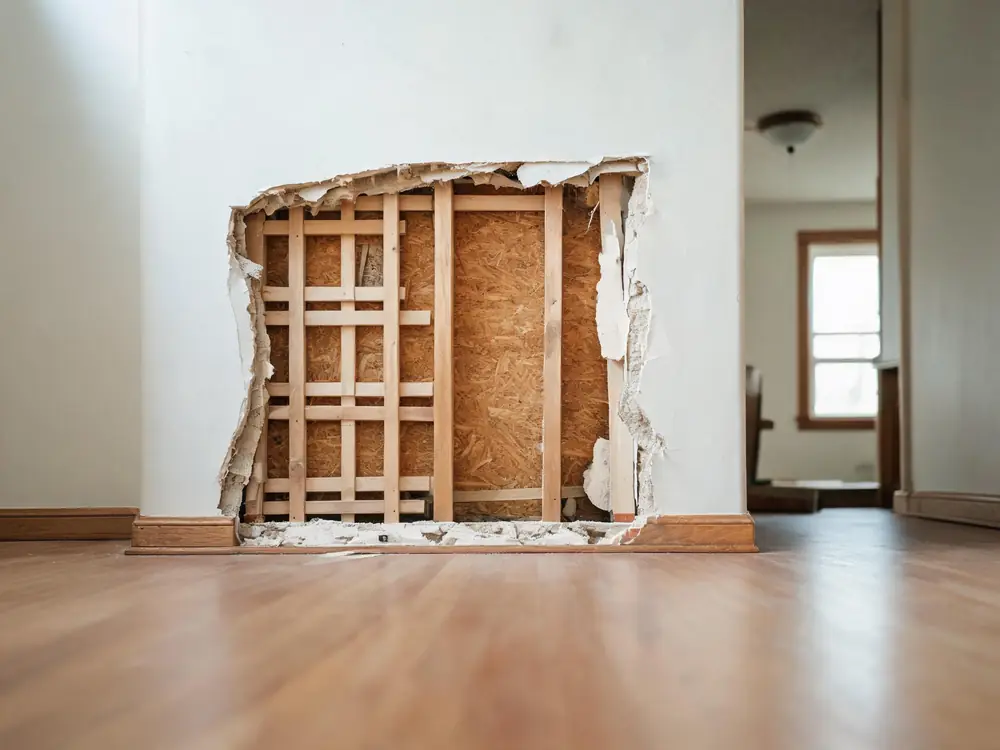
- Keep gutters clear and extend downspouts at least several feet from the foundation.
- Run a dehumidifier in the basement and keep indoor relative humidity below 60%, ideally 30% to 50%, as the EPA recommends.
- Make sure bathroom and kitchen fans vent outdoors, not into the attic or a wall.
- Avoid sealing stone or soft brick with waterproof coatings without advice from a preservation professional.
- Keep unused rooms heated in winter to prevent condensation and frozen pipes.
- Check attics and basements after heavy storms, especially the late-summer tropical systems that have flooded the region before.
When to Call a Professional
Call a professional if mold covers more than about 10 square feet, shows up on original plaster or framing, follows a leak, or keeps returning in the basement. In a historic building, getting the method right the first time protects material that cannot be replaced. Learn about our commercial and rental mold remediation for older properties, or call (717) 420-8919 any time.