First, Is the Wood Still Solid?
The decision starts with the condition of the wood. A professional will check three things:
When it is past the point of a bucket and a fan, Mold Remediation Gettysburg PA can scope the job.
- Moisture content. A pin moisture meter shows whether the sheathing is still wet. Wood above about 19 percent moisture content can support ongoing mold growth. Wood that reads dry means the growth may be old or seasonal.
- Firmness. Pressing an awl or screwdriver into the wood tells you if fibers are soft or rotted. Stained wood is hard; decayed wood gives way.
- Delamination. Plywood layers that are separating, or OSB that is swollen and flaking, has lost strength.
If all three checks pass, cleaning is the answer. If a panel fails, it gets replaced, usually from the outside when the roof is reshingled.
Your Four Options Compared
| Option | What it does | When it makes sense | Relative cost |
|---|---|---|---|
| HEPA vacuum plus sanding or wire brushing | Physically removes surface growth by hand | Small to moderate areas, tight attics | Lower equipment cost, higher labor |
| Dry ice or soda blasting | Blasts growth and most staining off the wood | Large roof decks, heavy staining | Moderate to higher, but fast |
| Encapsulation (after cleaning) | Seals cleaned wood with a mold-resistant coating | Final step after removal, to lock down residual stain | Low add-on cost |
| Replacement | Removes and replaces damaged panels | Soft, rotted or delaminated wood | Highest; usually tied to a roof job |
Blasting deserves a closer look because it is the fastest way to clean a whole roof deck. We compare the methods side by side in our guide to dry ice blasting for attic mold.
Why "Just Encapsulate It" Isn't Enough
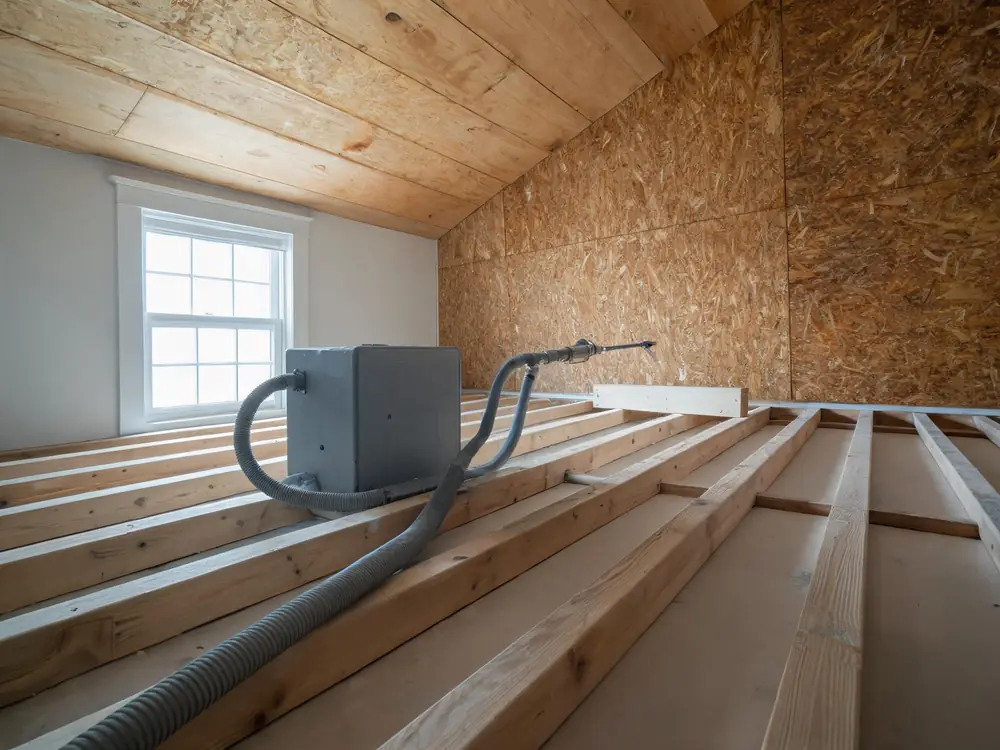
Encapsulating coatings are useful, but they're a finishing step, not a removal method. Painting over active mold leaves the growth and spores in place under the coating. If moisture returns, growth can continue at the edges and through thin spots. It also leaves you with nothing good to show a buyer's inspector.
The IICRC S520 standard for mold remediation and the EPA's remediation guidance both focus on physically removing mold growth and fixing the water problem. A coating applied after that cleaning is fine. A coating instead of cleaning is a shortcut.
Plywood vs. OSB vs. Board Sheathing
The type of roof deck changes the approach:
- Plywood handles cleaning well. Sanding and blasting work, and it rarely needs replacement unless it's been wet long enough to delaminate.
- OSB (oriented strand board) is more sensitive to moisture. It swells at the edges and can lose strength faster, so we check it more carefully. Aggressive blasting settings are avoided.
- Board sheathing is common in older Gettysburg homes, especially in the historic district. These are individual planks, often of dense old-growth lumber, with gaps between them. The wood usually holds up well, but the many edges take longer to clean.
What About Rafters and Trusses?
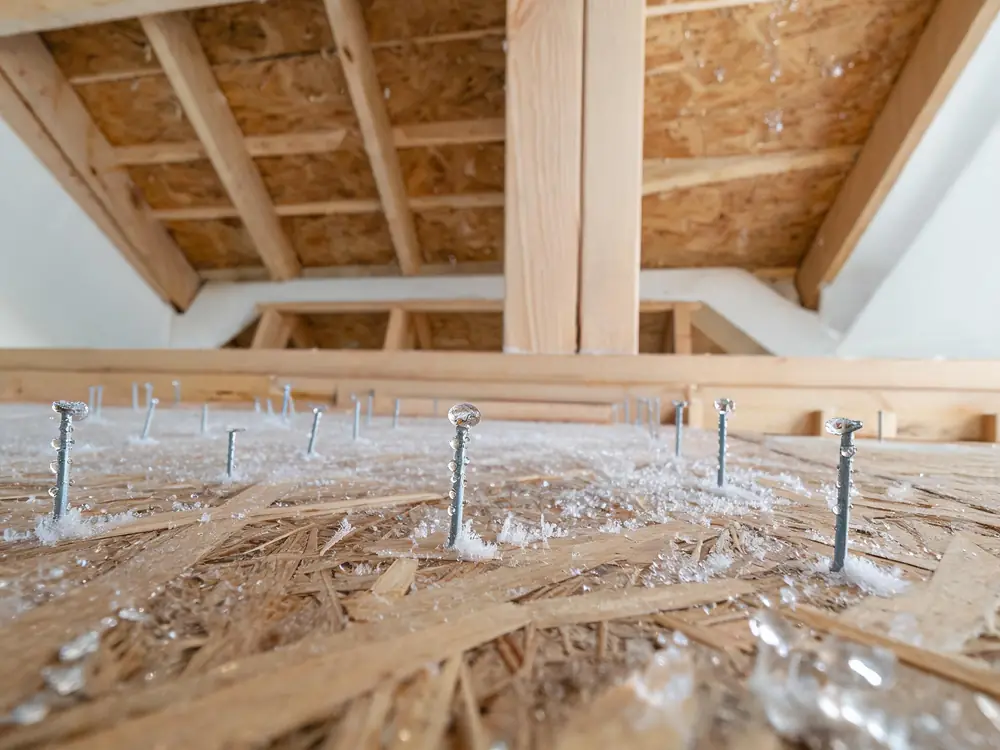
Mold on the sheathing often extends onto rafters and truss chords. These get the same treatment: HEPA vacuum, physical cleaning and antimicrobial. Structural framing is very rarely replaced for mold alone. Rot from a long-term roof leak is a different story and should be checked by a roofer or contractor.
Fix the Moisture or It Comes Back
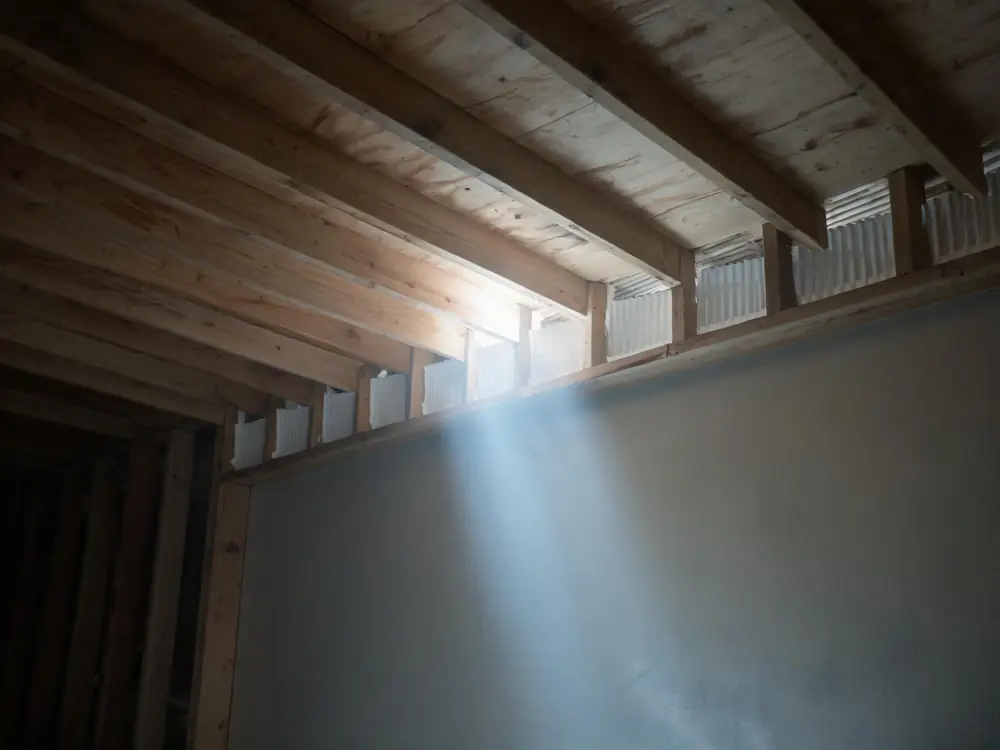
Whatever cleaning method you pick, the mold will return if the attic stays damp. In Gettysburg, the usual causes are bath fans vented into the attic, warm air leaking up from the house during our cold winters, blocked soffit vents and poor exhaust ventilation. The EPA recommends keeping indoor humidity below 60 percent, ideally 30 to 50 percent, which also reduces how much moisture reaches the attic.
A Rough Idea of Cost
Cleaning a small patch under 10 square feet typically falls in the $500 to $1,500 range locally. Whole-deck cleaning costs more and depends on attic size, access and insulation. Replacement adds roofing labor and materials, which is why it's saved for damaged panels. Any accurate number comes after an inspection.
When to Call a Professional
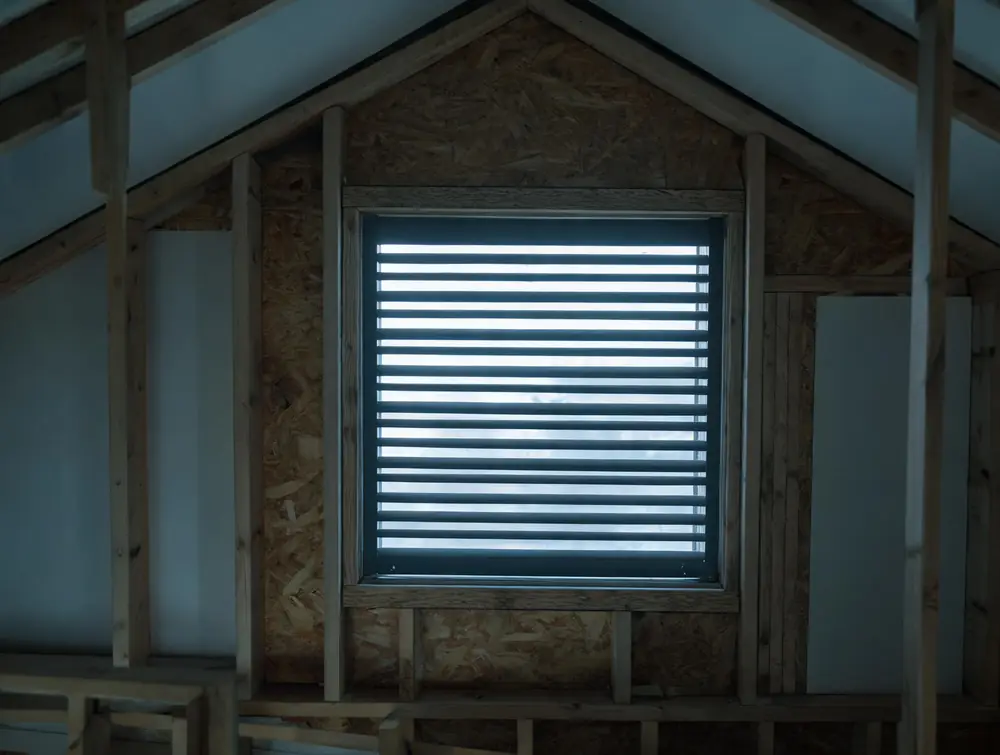
If mold covers more than a small patch, if the wood feels soft, or if you're facing a home sale deadline, have the attic assessed. Our attic mold remediation service in Gettysburg tests the wood, recommends clean, seal or replace for each area and fixes the ventilation problem behind it. Call (717) 420-8919, 24 hours a day.