Where Mold Shows Up in Hospitality Properties
Guest-facing businesses run water and air conditioning hard. These are the spots we check first:
This is routine work for our team.
- Guest bathrooms: steam from back-to-back showers, weak exhaust fans, failed caulk and grout, and leaks behind tub surrounds.
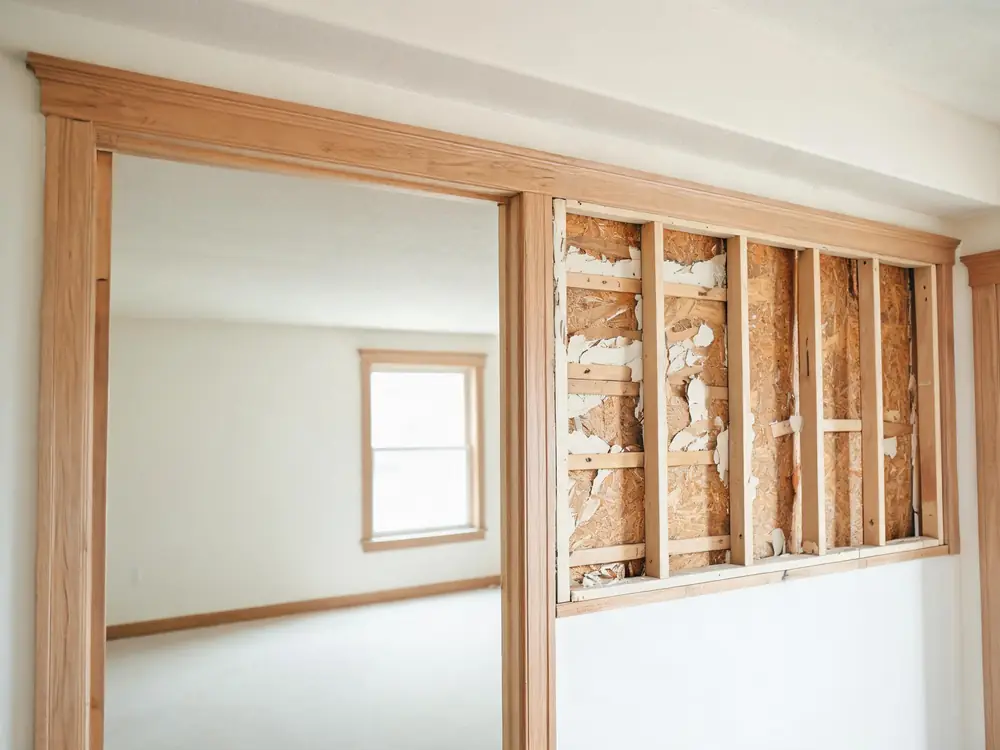
- Through-wall AC units and PTACs: clogged condensate drains wet the wall and carpet below the unit.
- Ceilings under rooftop equipment: flat roofs and rooftop units are common leak points.
- Restaurant kitchens: dishwashing areas, walk-in cooler gaskets, floor drains and wall cavities behind sinks.
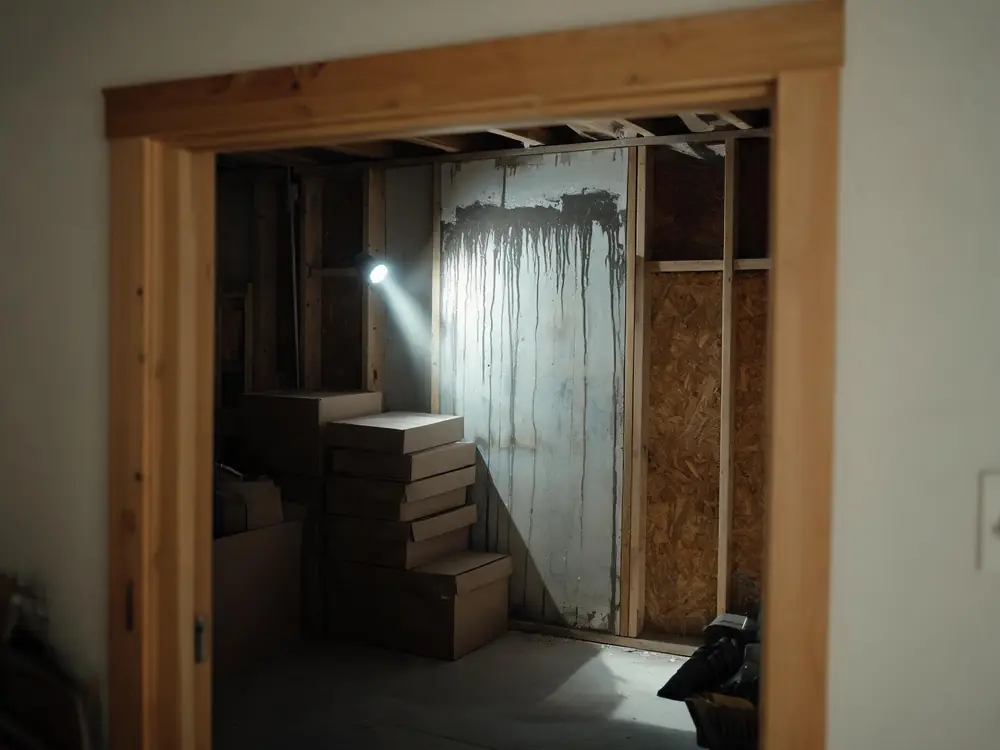
- Basements and storage: linen rooms, dry storage and wine cellars in old stone basements.
- Rooms closed off-season: B&B rooms left unheated or without air movement in winter or during slow weeks.
Why Speed Matters for Guests and Reviews
Guests notice musty odors fast, and a single comment about "a moldy smell" in an online review can follow a property for years. The CDC notes that mold can cause stuffy nose, wheezing and eye or skin irritation in sensitive people, so a guest with asthma or allergies may react. If a guest reports symptoms, move them to another room and suggest they see a doctor if symptoms continue.
Mold can begin to grow within 24 to 48 hours after materials get wet, according to the EPA. A leak from an upstairs tub on Friday night can become a mold problem by Sunday checkout if it is not dried quickly.
How We Keep a Property Operating
Remediation in an occupied hotel or restaurant follows the same standards as any other job, including the IICRC S520 standard and the EPA's guidance for commercial buildings. The difference is how it is scheduled and sealed off.
- Room-by-room phasing. We work one room, suite or section at a time, so the rest of the building stays open.
- Sealed containment. Plastic barriers and negative air pressure keep dust and spores out of hallways and neighboring rooms. Air is filtered through HEPA units.
- Low-visibility access. We use service entrances, back stairways and off-peak hours for equipment and debris removal where possible.
- Restaurant scheduling. Kitchen and dining work can be done after close or on dark days, with food-contact areas protected.
- Fast drying. Dehumidifiers and air movers shorten the time the room is out of service.
- Clearance before reopening. We recommend independent clearance testing so you know the room is ready for guests.
Typical Scenarios and Downtime
| Scenario | Common cause | Typical room downtime |
|---|---|---|
| Mold on a guest bathroom ceiling | Weak fan, steam | 1 to 2 days |
| Wet carpet and wall under an AC unit | Clogged condensate drain | 2 to 4 days |
| Leak through ceiling from the room above | Tub or toilet supply failure | 3 to 5 days, two rooms affected |
| Kitchen wall behind the dish station | Long-term splash and plumbing leak | Often done over 1 to 3 closed nights |
| Basement storage or cellar | Damp stone foundation, high humidity | Guest areas usually unaffected |
These are general ranges. The real timeline depends on how much material is wet, drying time and clearance results.
The Gettysburg Hospitality Calendar
Visitor traffic around Gettysburg National Military Park, Steinwehr Avenue, Baltimore Street and Lincoln Square peaks in the warm months, and summer anniversaries and fall weekends bring large crowds. That lines up with humid July and August weather, when bathrooms and AC systems work hardest. Late summer and fall can also bring remnants of tropical storms, which caused major regional flooding with Agnes in 1972, Ivan in 2004 and Lee in 2011.
The best time to inspect and fix known problems is the slower winter season. Many downtown inns and B&Bs are in historic buildings, which calls for gentle methods on plaster and original woodwork. For larger facilities like event halls, offices and churches, see our guide to mold in commercial buildings.
Prevention for Hotels, B&Bs and Restaurants
- Test bathroom fans each season and replace weak ones with properly sized fans vented outdoors.
- Clean AC condensate drains and pans on a schedule, before the summer rush.
- Re-caulk tubs and showers at the first sign of cracking.
- Keep indoor humidity below 60%, ideally 30% to 50%, as the EPA recommends.
- Train housekeeping to report stains, soft drywall and musty smells right away.
- Check the roof and rooftop equipment after major storms.
When to Call a Professional
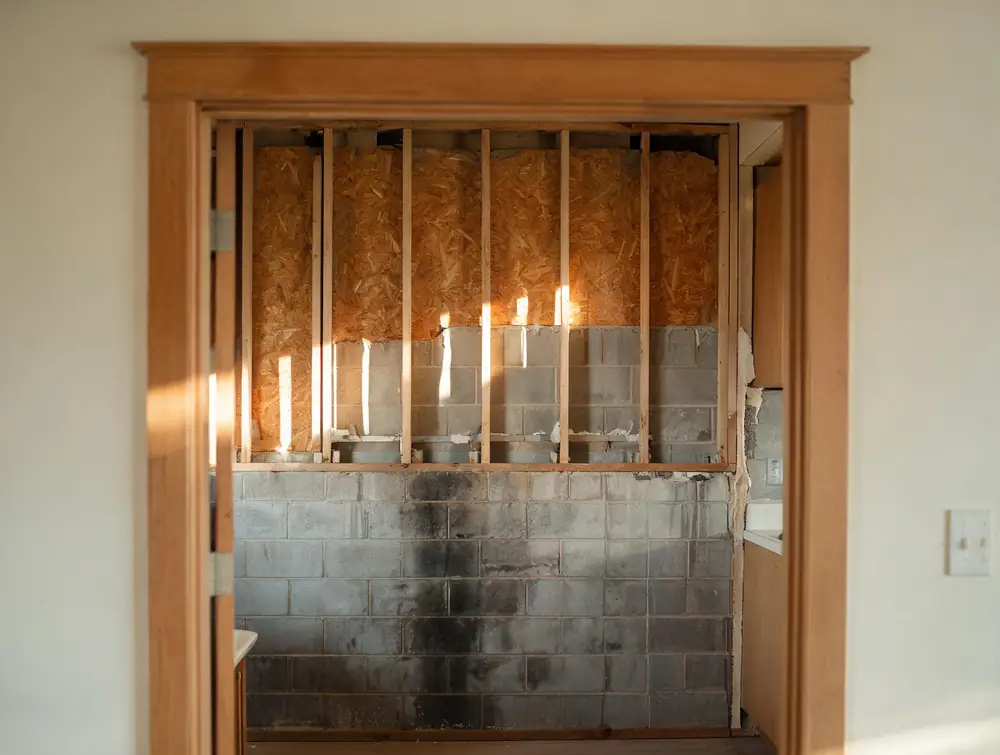
Call a professional when mold covers more than about 10 square feet, when a leak has wet walls or ceilings, when odor persists after cleaning, or when more than one room is affected. We answer 24 hours a day and plan work around your guests. Learn how our commercial and rental mold remediation works, or call (717) 420-8919.